The East Coast may be getting soaked (we’re up to our knees over here), but across much of the country, golfers are still enjoying plenty of late-season opportunities to play. If you are new to golf, or have simply been using whatever ball happens to be in your bag, these final rounds are a great time to try something different.
Golf balls can vary in feel, flight, distance and control, but finding the right one doesn’t have to be complicated. Play a few holes with two or three different models and notice what feels comfortable. Does one fly a little straighter? Feel better off the putter? Make chips easier to control? You don’t need a perfect swing or a low handicap to truly recognize which ball you enjoy playing. Anyone can do it.
Testing now can help you discover what works before next season begins. From softer options and helpful alignment designs to balls built for distance or straighter shots, these five choices are a great place to start.
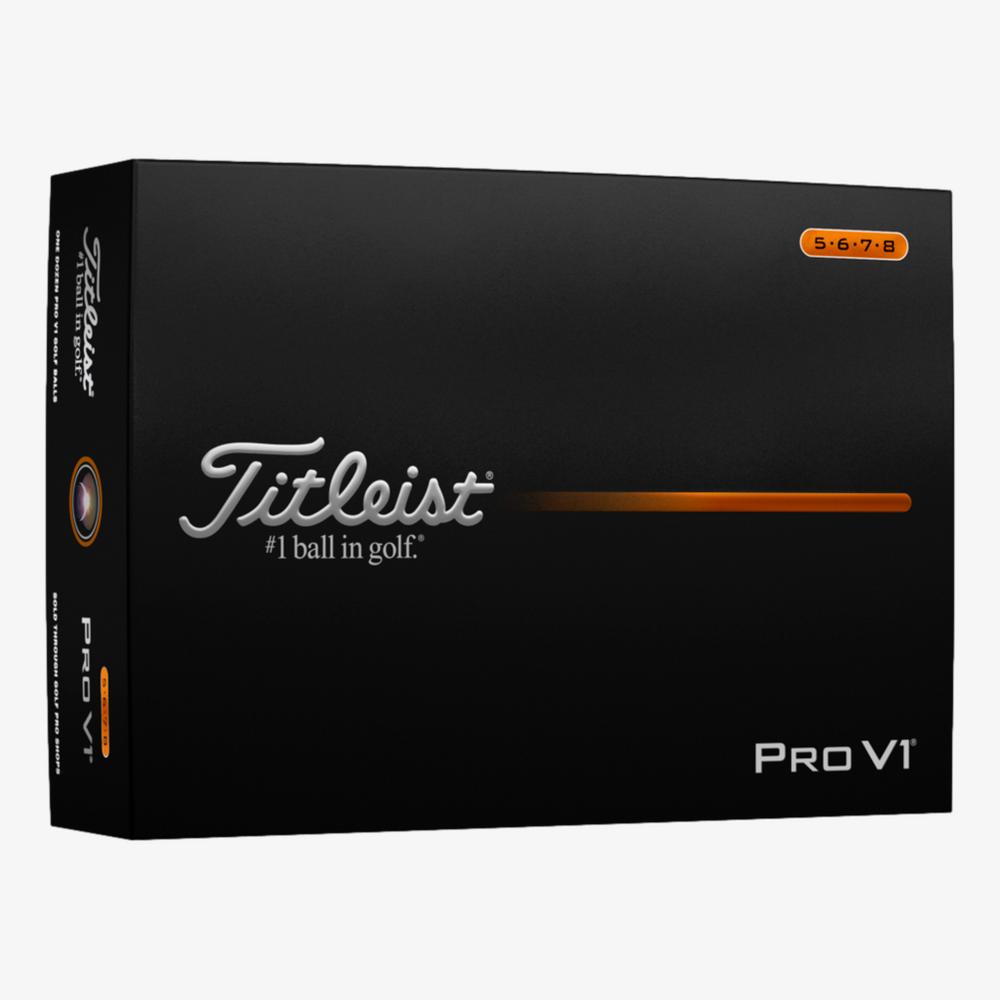
There is a reason the Pro V1 remains a benchmark for premium golf balls and has been for decades now. It combines low spin in the long game with a penetrating flight, soft feel and plenty of greenside control for any type of player. The Pro V1 is a strong choice if you want balanced performance throughout the bag without emphasizing one particular category. Also if you’re new to this game and haven’t tried one yet, pay attention to how the ball reacts on approach shots and partial wedges. Its ability to stop around the green may be where you notice the biggest difference.
Try it if: You want the top premium ball that balances distance, flight, feel and short-game control.
View Product
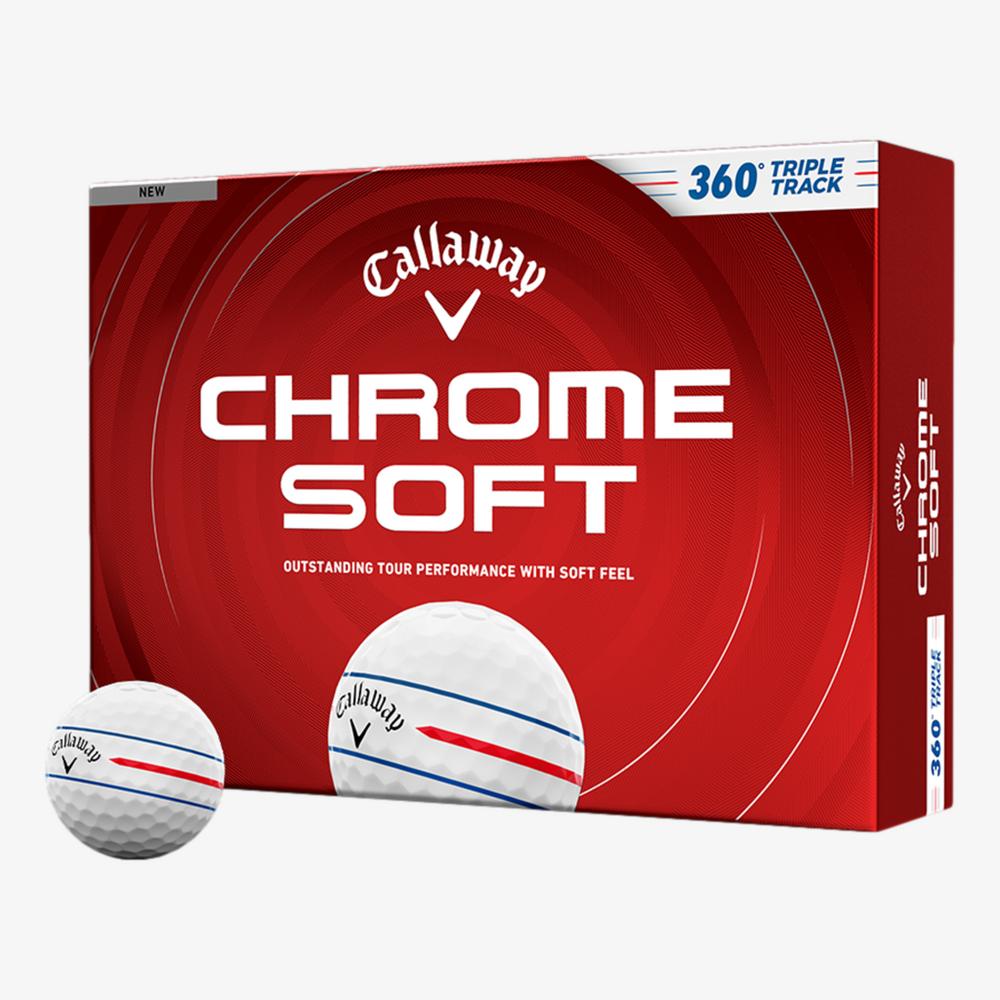
The Callaway Chrome Soft 360 Triple Track pairs a soft feel with fast ball speed, a higher flight and a urethane cover designed for exceptional greenside control. Its most visible feature, however, is the 360 Triple Track design. Three contrasting lines extend around the ball, providing a clear reference when aiming putts or setting up on the tee. Golfers who struggle to trust their alignment (which most beginners do) will love this little aid to make tee shots and putts easier to hit or roll straight.
Try it if: You prefer a softer ball and want more help aiming your shots.
View Product
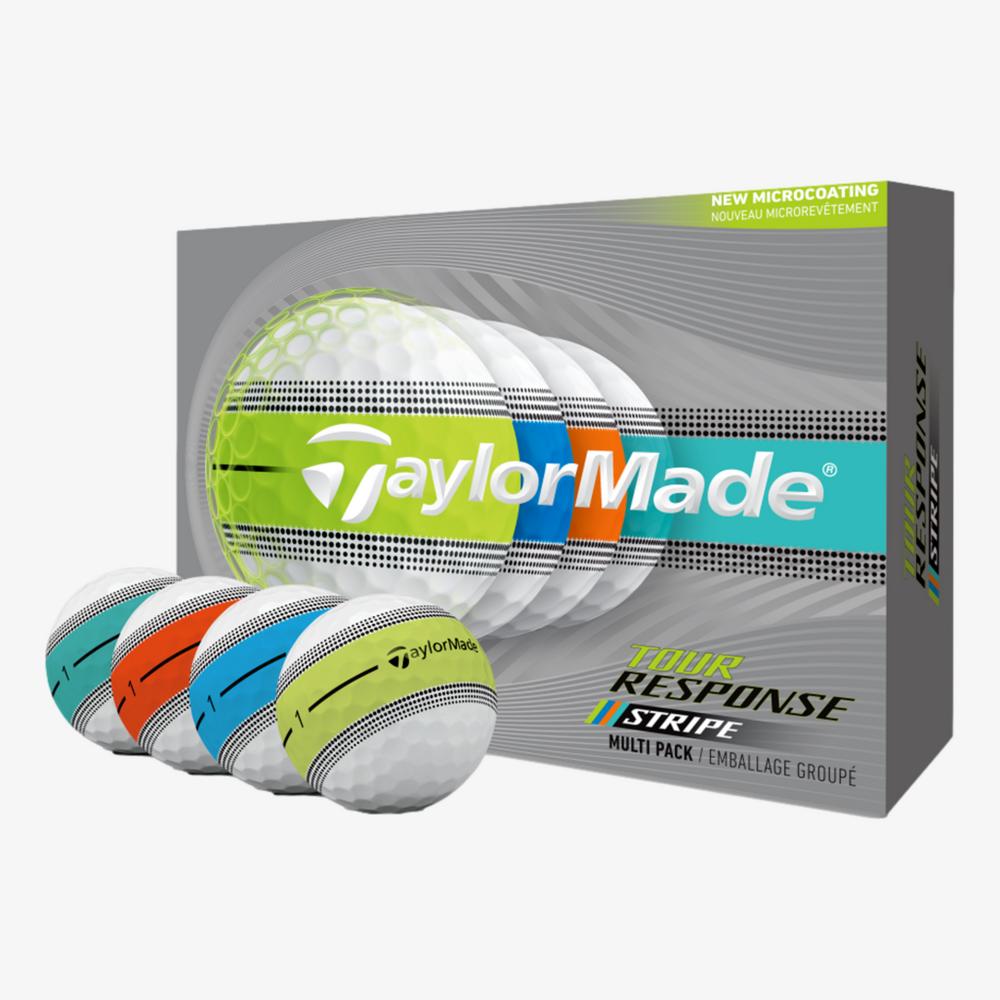
The Tour Response Stripe is another interesting option for golfers who appreciate visual feedback. Its 360-degree ClearPath Alignment stripe creates an easy-to-see reference for aiming the clubface and evaluating how the ball rolls after impact. Underneath the stripe is a soft golf ball with a cast urethane cover. That makes Tour Response a great option somewhere between value-oriented distance balls and higher-priced tour models. And by the way, when testing it, watch the stripe as the ball rolls toward the hole. A clean end-over-end appearance can provide immediate feedback on your start line and putting stroke.
Try it if: You want soft feel, a urethane cover and a bold alignment aid at a price below many tour balls.
View Product
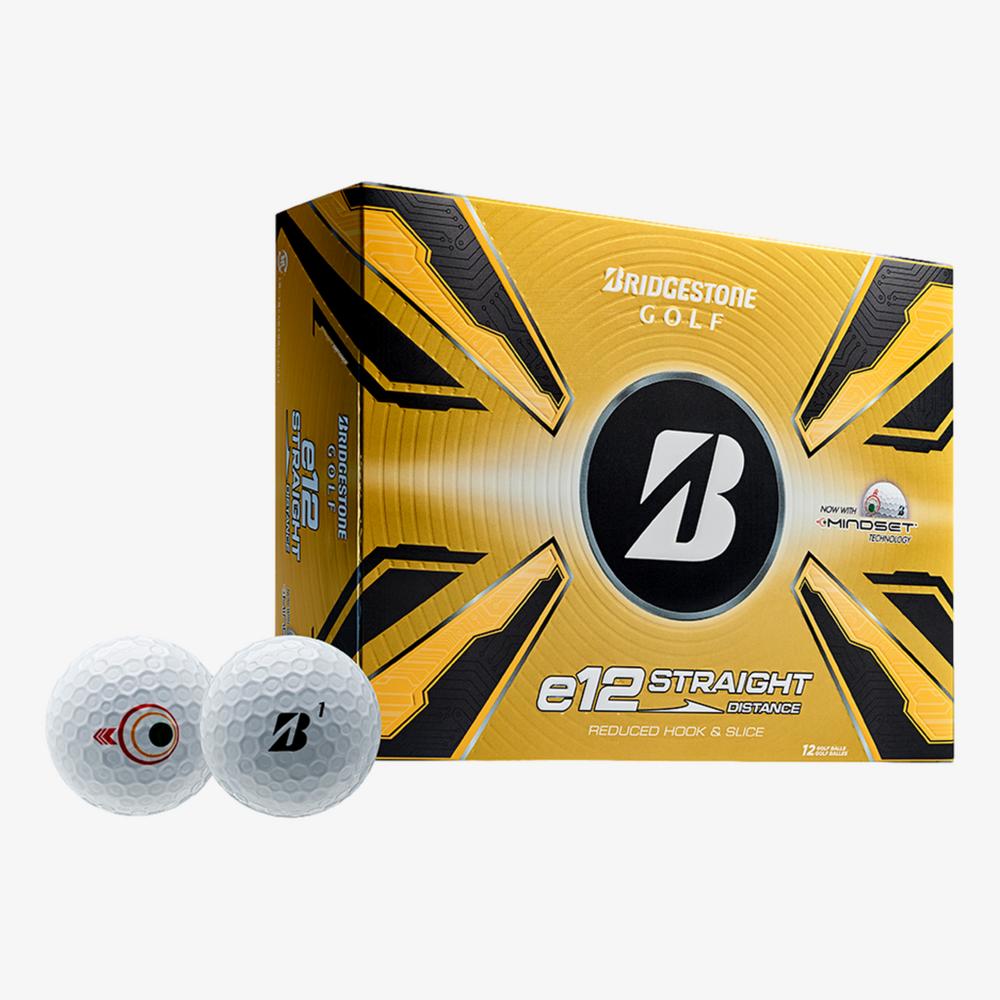
If hooks and slices are costing you shots, consider the Bridgestone e12 Straight. This model is engineered to reduce sidespin and provide a more forgiving flight. No golf ball can totally fix a major swing flaw, but choosing one designed to limit unwanted curvature may help turn a ball headed toward the rough into one that stays a little closer to the fairway. That can mean easier approach shots and fewer penalty strokes over the course of a round.
Try it if: Your priority is reducing unwanted hook or slice.
View Product
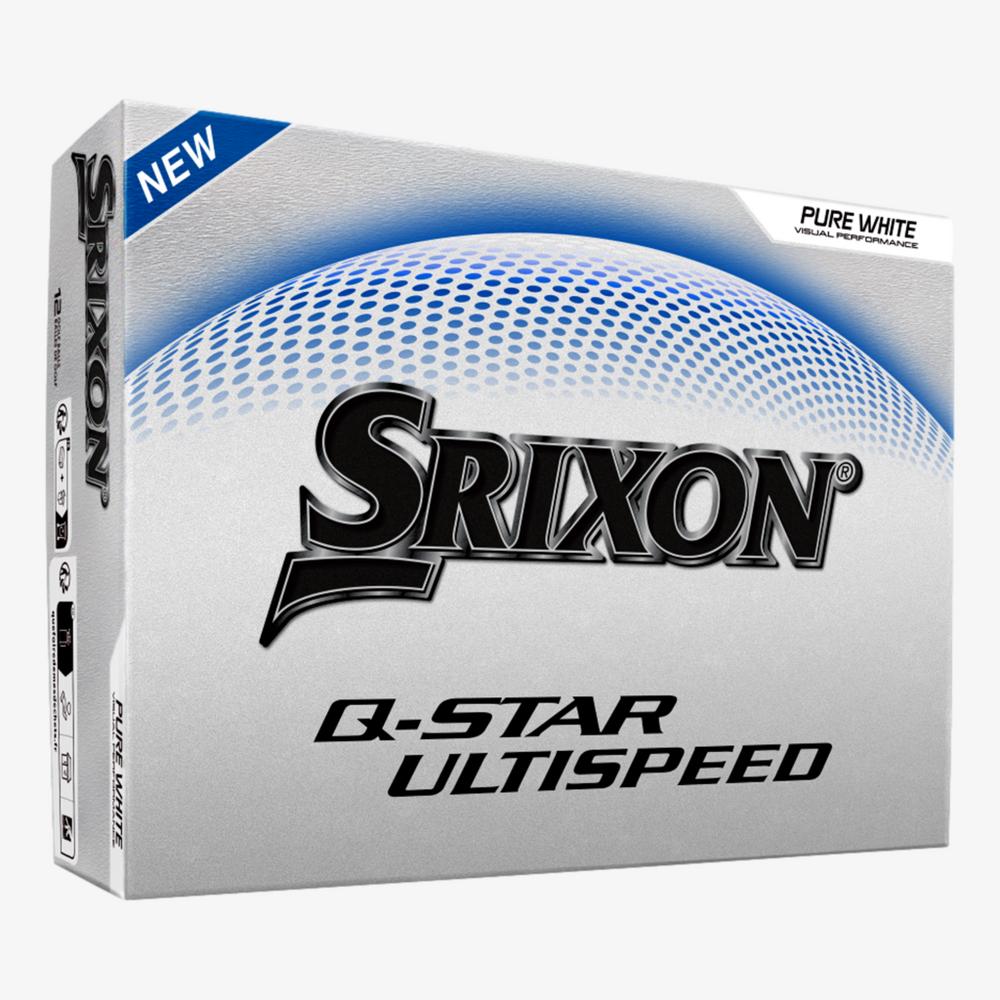
The Srixon Q-STAR ULTISPEED is built for golfers seeking more ball speed and greater overall distance. It combines a FastLayer Core with Srixon’s 338 Speed Dimple Pattern and a thin cover to really tap into the power of its core. It also comes in a Trackline version for enhanced visual performance. This is a particularly useful ball to test late in the season, when cooler conditions can make your swing feel a little slower and shorter. Compare its carry distance with your usual ball and decide if a few extra yards are really what you’re looking for.
Try it if: Distance and ball speed are priorities and you want to stay around the mid-price range.
View Product
In case you need some pointers on how to conduct your own ball test, start around the green rather than on the first tee. Hit chips, pitches and putts with two different models at a time and note which one gives you the most predictable response and comfortable feel. Then move to approach shots before comparing performance with the driver and irons out on the course.
Next, try each model for more than a few swings. Playing at least nine holes with the same ball will give you a better sense of its flight, feel and control under real conditions. Finally, and most importantly, judge the results that matter to your game. One golfer may need straighter tee shots, while another benefits more from added stopping power or a clearer alignment aid.
A few rounds are still plenty of time to experiment. Find the ball that performs best now, and you can begin next season with one equipment decision already settled.


The post 5 golf balls to try before the season ends appeared first on Golf.