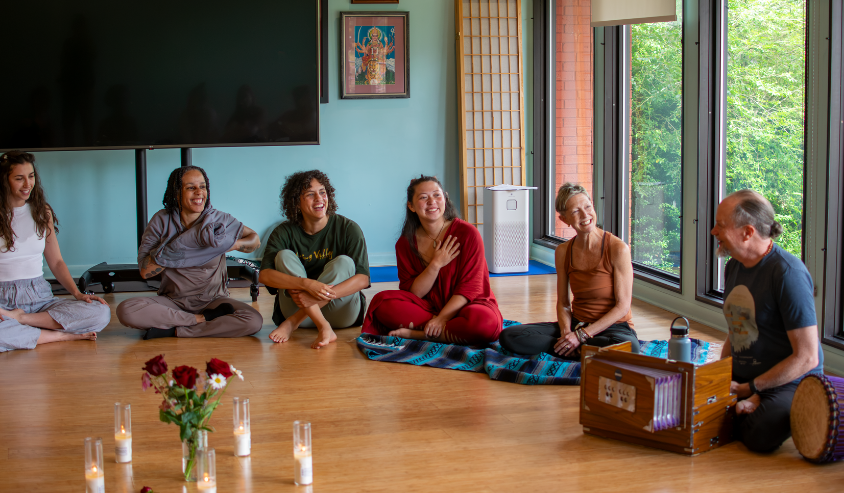
Create a nurturing container. I do this by minimizing distractions during class, being on time, creating a predictable sequence and class arc, and building rapport with students. The way that I prepare classes for recovery is different from teaching studio classes. I spend an equal amount of time quizzing myself on student names because I have found that building rapport makes students more willing to participate.
In addiction treatment centers, I have found that many students come in with misconceptions about what yoga is and who can do it. Part of the job in teaching yoga in clinical settings is putting students at ease and demystifying yoga. I aim to be approachable and welcoming, while creating a space that feels predictable and supportive.
I also always let students know that I am available to check in if they have any questions after class.
Share, but don’t overshare, if it is relevant for you and you are willing to. When a new student comes in, they are often hesitant to participate. Part of my welcome spiel is that yoga was, and continues to be, a game-changer in my recovery. You don’t have to do this if you aren’t comfortable, but I have found that this disclosure helps create a sense of trust and willingness to try yoga for students.
Teach to the room. Some days I walk in with a plan and need to leave it at the door because students are having detox symptoms, or injuries/pain are flaring. Sometimes I plan a class theme and pivot because the check-ins in the room ask for something else.
When I do pre-class check-ins, I ask students if there is anything present in their bodies that they have requests for and shape the asana from there. This also creates buy-in.
The ability to teach on the fly is so, so valuable. The present needs of who is in front of you are much, much more important than a class plan that you were excited about.
Some days I have a gentle asana and pranayama sequence planned that I’m jazzed about, but I walk in and everyone is absolutely fried, and I pivot to yoga nidra. Sometimes I need to pivot to a chair yoga class based on requests or the needs of the room.
As a big planner and someone who is not naturally spontaneous, this was something that I had to hone over time, but it was very worth it. Being versatile and able to draw from a toolbox of skills has been very helpful.
Embrace the power of humor. Being in addiction treatment is incredibly challenging, and for many clients, it can be one of the hardest times of their life. It can be heavy and dark.
From the moment I walk in, my intention is to be a presence of lightness. This means that if I am having a crappy day, I take a few minutes to sit in my car before I go in, set things aside, and show up the absolute best that I can.
I aim to make everyone laugh at least once during class with stories and examples relevant to the class theme. I am a believer that humor can help support the yoga in getting delivered.
Sometimes I teach mantras, and the way that I introduced them was to learn how to play “Wagon Wheel” by Darius Rucker on the harmonium and have everyone sing it and beat the floor as a way of drumming. Very fun, and it got many laughs.
Then we did a Kali mantra to the exact same tune, and I taught a class about transforming/destroying identification with the thoughts that cause suffering. Because I had set the stage with the playful “Wagon Wheel” version, there was a willingness to try.
To sum it up: Teaching trauma-informed yoga is, ultimately, less about having the perfect sequence and more about creating the conditions for students to feel comfortable enough to be present, participate, and experience their own agency.
For me, this means being prepared while staying willing to throw the plan out the window. It means offering choice, creating predictability, paying attention to the room, and remembering that the person in front of me is more important than the class I had planned. It means knowing when to be quiet and when a little humor might help lighten the room. Most importantly, it means approaching each student with curiosity, compassion, and respect.
I am continually learning what it means to teach yoga in clinical settings, and I don’t believe there is one formula for trauma-informed teaching. The more experience I gain, the more I understand that it is less about adding a specific set of “trauma-informed” tools to a class and more about cultivating an awareness of how we, as teachers, show up.
If you’d like to explore this topic more deeply, join me for our Upcoming Satsang , where Rosie Mulford and I will explore creating supportive, accessible, and empowering spaces for our students. We’ll explore practical tools, share experiences, and consider how we can bring a trauma-informed lens to the way we teach, regardless of the setting.
Disclaimer: I am not a licensed mental healthcare professional. This article is shaped by my personal experience teaching weekly classes since 2023 in clinical settings.