Shakespeare’s season of discontent brings with it winter rules.
One year, it brought game-changing innovation too. In 1993, several state golf associations got together to support a campaign to ban metal spikes during the cold weather months to minimize damage to the grass. Nice concept, with a caveat — ice skates scratch up the ice, sure, but you wouldn’t choose to slip and slide around a rink in tennis shoes, would you?
Faris McMullin, an inventor from Boise, Idaho, had a thought: Could a nonmetal spike provide something approximating the grip of metal but without turf tearing, puncturing and compacting? Introduced that same winter, McMullin’s patented
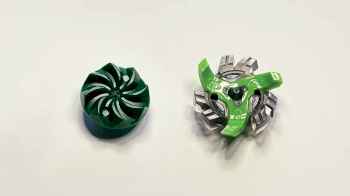
invention — Softspikes — featured a plastic, fanlike design that spread weight more broadly across its multiple fins. The material’s bending and flexing also kept turf piercing and shearing to a minimum.
Tour validation came, albeit slowly, with Billy Mayfair as the earliest big-name player on the bleeding edge. Today, while you can still hear the occasional crunch of footsteps on a cart path in the big show, about 85 percent of Tour pros play in nonmetal spikes, and Softspikes are on their umpteenth iteration, including the Tour Flex Pro, which all four major winners rocked in 2025.
In the real world of everyday hackers, courses that don’t ban metal spikes are as rare as hen’s teeth — as are spike marks.
The only downside: one less excuse for missed putts.
The post Why golf spikes suddenly went all soft on us appeared first on Golf.