I need to declare this at the top: In my opinion, the club head is most of the equation in terms of what makes a great driver. However two things can be true at the same time: The shaft is also VITAL to making that club head do what it’s designed to do. The club head has the responsibility of dictating spin, speed, launch, direction, start lines, etc. — and the shaft is what allows the player to find the middle of that club head. In my experience, shafts are very specific to the player, and when you find one you hit outta the guts time in and time out, fitters can cook the head to finish the job.
We had a fun case study in that with Viktor Hovland over the past few weeks. Someone I would call a “hard switcher,” Vik finally put his Ping G425 LST to the side and committed to the 440LST. There has been flirtations with the 440, but it was always on shaky ground — but after his win last week at the Travelers, I think it’s safe to say Viktor has his driver.
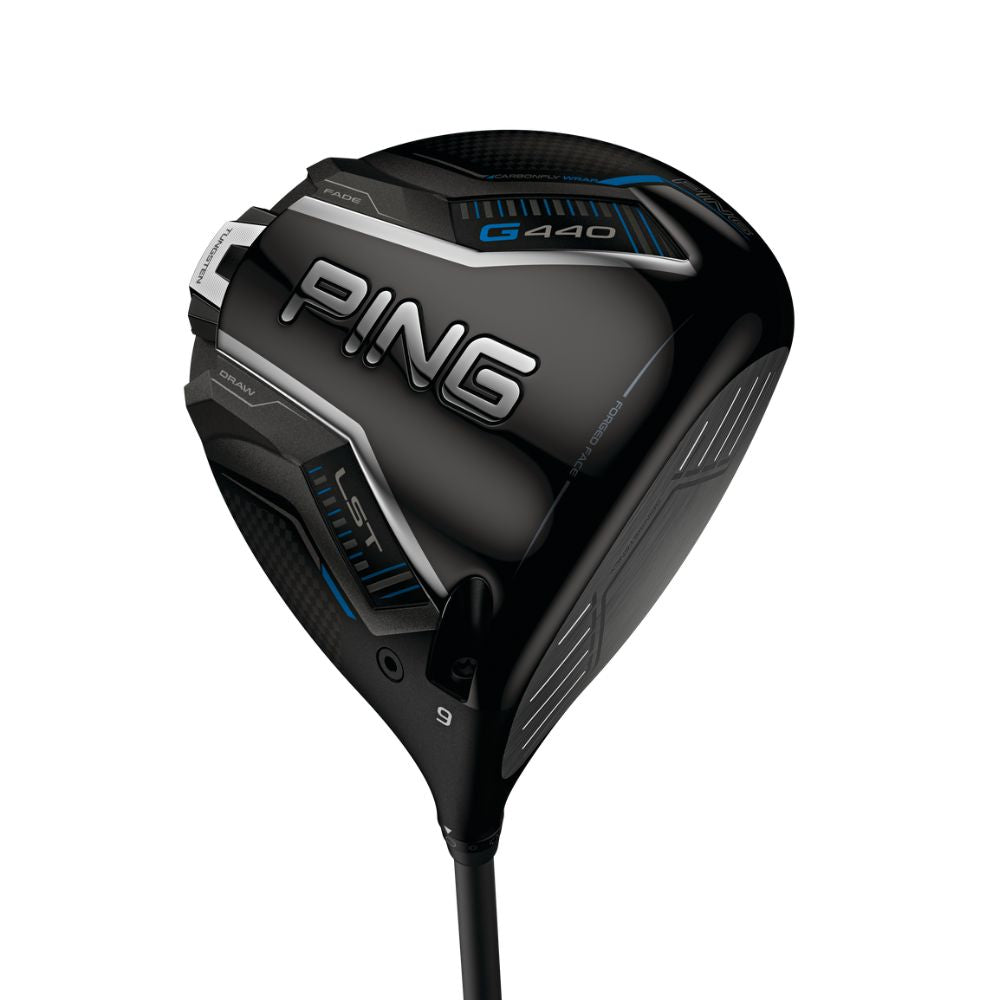
The transition into new equipment on Tour is rarely a straight line, and Hovland’s move into the Ping G440 LST driver is a perfect example. It’s a process that actually started back in the fall of 2024 during testing in Oklahoma.
Right out of the gate, the G440 head showed real promise. It was consistently faster, longer, and gave him more forgiveness across the face than his trusty G425 LST gamer. The hurdle, however, was the delivery. The new head kept producing a higher launch and more spin than Hovland was comfortable looking at, which ultimately kept it from earning a permanent spot in the bag for a week-to-week basis.
The breakthrough finally came when the testing protocol shifted to a crucial variable: the shaft.
View Product
For a long time, Hovland has relied on a Fujikura Speeder TR 661-TX. It’s an incredibly stiff, low-spin profile, but its defining characteristic is a very rigid mid-section. That specific profile dictates how the club releases and feels through impact. Some players need a shaft that helps the toe square up; others, like Hovland, need resistance to that feeling to control their start lines.
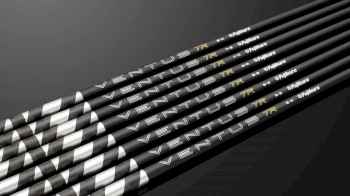
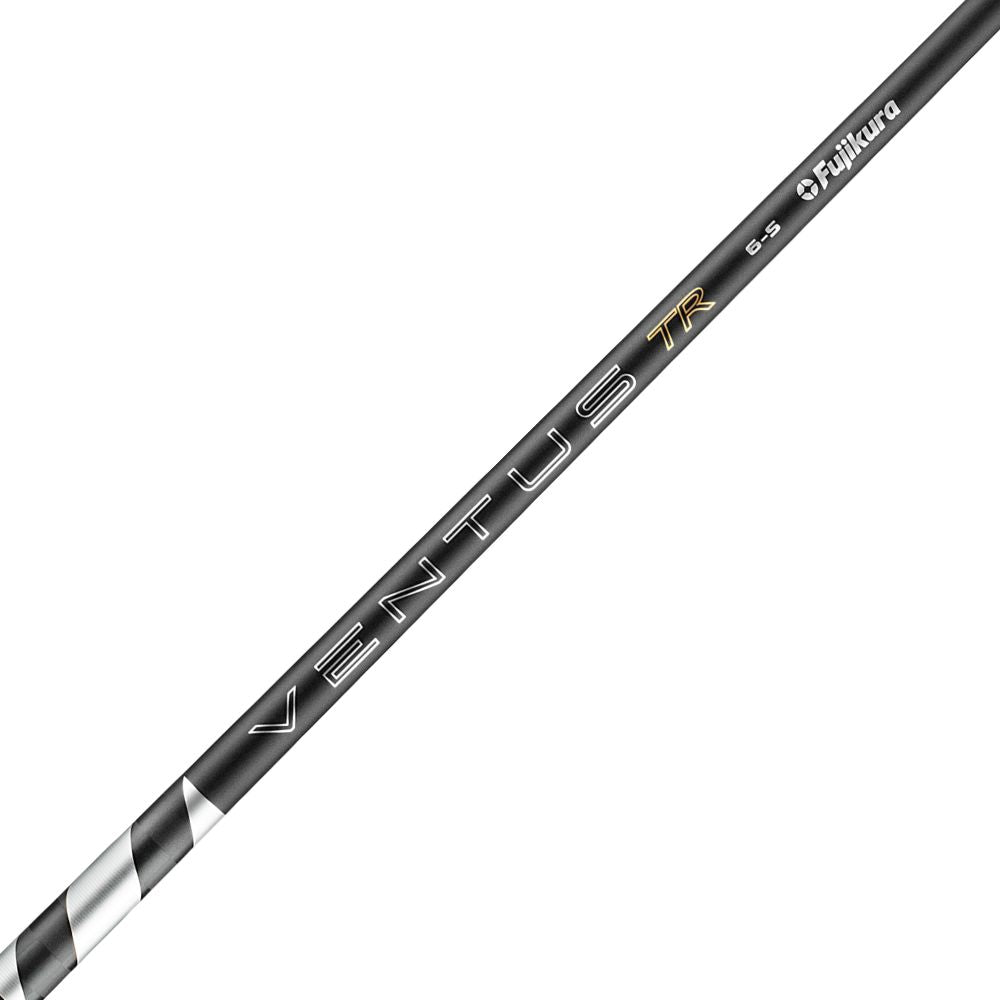
During testing at the Truist Championship, he tried Fujikura’s new Ventus TR Black with Velo+ technology. This particular shaft features a much stiffer mid-section than previous Ventus Black profiles, making it the stoutest option in the lineup. The match was instant. The Velo+ TR Black gave him a noticeable jump in ball speed and significantly tightened up his start lines and down-range curvature.
View Product
While Hovland preferred the G440 K head at the Truist, it brought a slight left miss into play. By the time the PGA Championship rolled around, the team shifted focus to the LST head. Hovland took the club home during his off weeks to practice without the pressure of tournament rounds, and by the time he arrived at the RBC Canadian Open, the old G425 didn’t even make the trip.
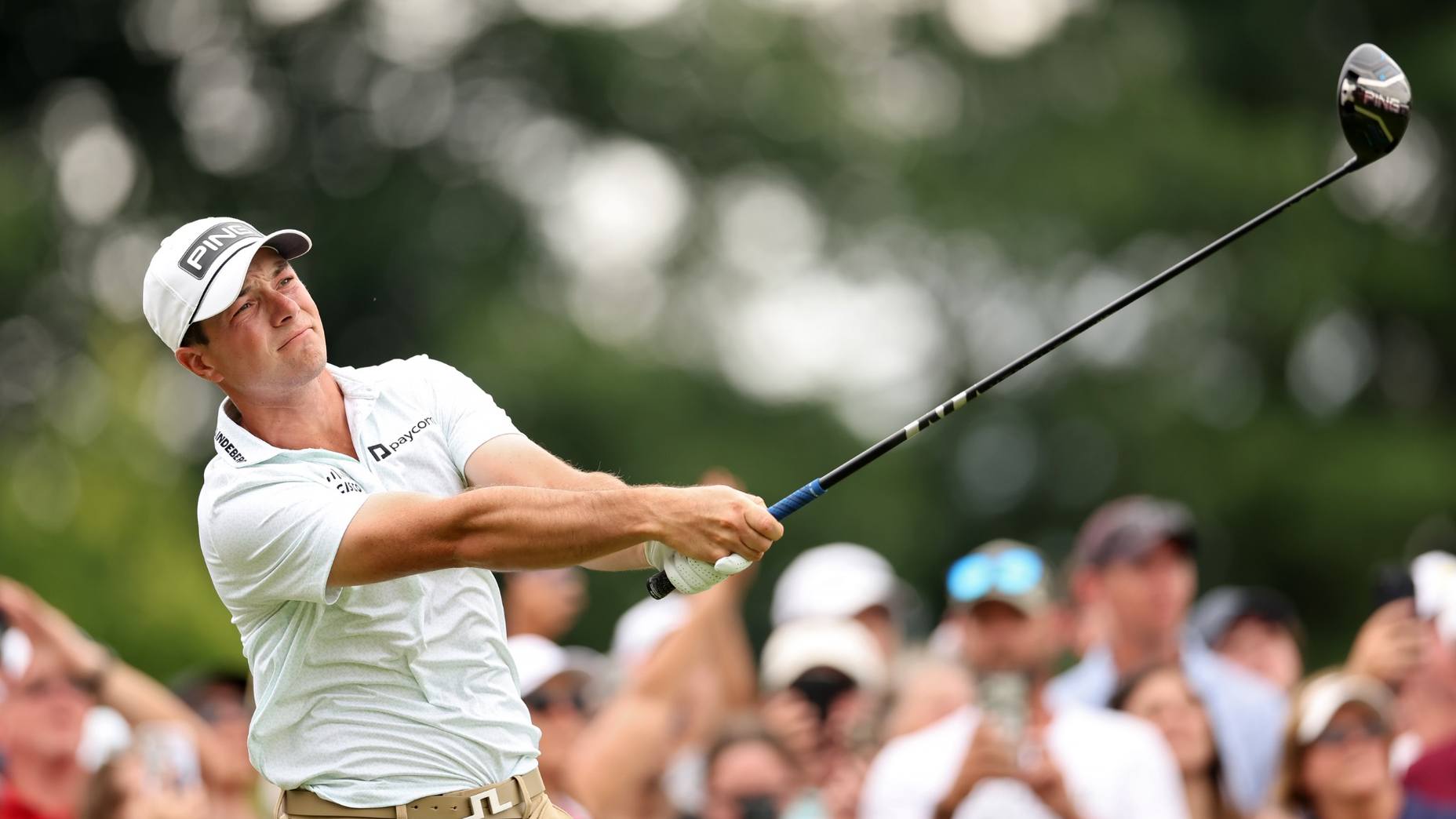
To get the final build exactly right, the fitting required a bit of fine-tuning to satisfy Hovland’s eye. Because the G440 LST naturally launches and spins a little higher than his previous driver, the team needed to drop the loft without making the face look visually unappealing or too delofted at address.
By setting a 9-degree head to 7.6 degrees in a flat standard hosel setting, and shifting 5 grams of weight forward, they found the exact window he needed.
Here is the final blueprint currently in Viktor’s bag:
At 178 mph ball speed, a 10-degree launch and 2,500 rpm of spin, the setup gives him the stability and anti-left reassurance he relies on, packaged in a much faster, more forgiving head. It took months of testing and patience to get the shaft and head to align, but the performance at the Canadian Open proved the grind was worth it.
Want to overhaul your bag in 2026? Find a club-fitting location near you at True Spec Golf.
The post Is this the secret to Viktor Hovland’s driver switch? appeared first on Golf.