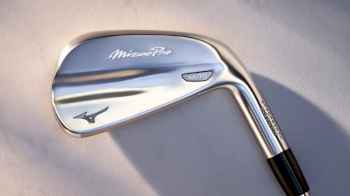
For 2026, Mizuno decided to switch things up and create a bit more distinction in its irons lineup, launching the Mizuno Pro Modern lineup of irons alongside the Signature Series lineup. The distinction creates a nice divide between one-piece forging and technology-packed players irons.
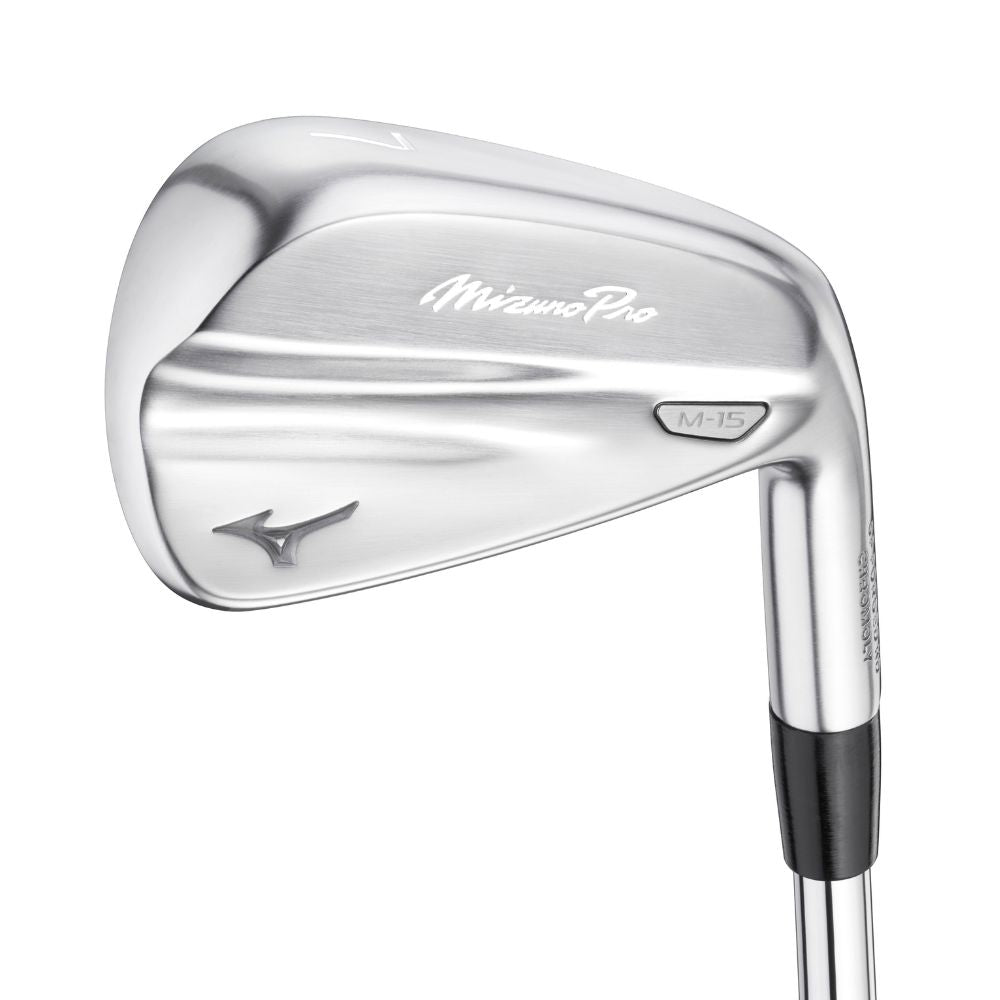
The M-15 joins the M-13 in the players technology lineup as two options for better players who need help producing more launch and speed. It’s a nice shape with reasonable lofts that provides more ball speed than similar packages.
To me, the best customer for the Mizuno Pro Modern Series M-15 is a good ball striker that’s just looking for more speed. Older players who can still swing it, younger players who haven’t developed the right amount of speed, and lots of great players in the female game can benefit. With the additional speed comes more launch and lower spin.
The combination of something that launches easily and comes off fast can mean the difference in a player hitting the green on a heavy shot versus having to chip again. The other benefit of a higher-launch, lower spin option is that you typically find a straighter ball flight.
View Product
Of course, with the M-15 being a Mizuno product, it still feels classic. It’s not easy to make a hollow-body club feel good — there’s just so much in the design fighting a good sound and feel. Thanks to their Harmonic Impact Technology and it’s combined benefits with the copper underlay on the face, they’re able to change the internal ribbing and design of each head to provide cleaner feedback into the hands, a more compressed feel off the face and more pleasing sound.
Mizuno doesn’t just stamp Mizuno Pro on any club — it’s got to feel, sound and behave like the legacy it represents.
View this post on Instagram
One of the things you’ll hear us talk about in the video above is the idea that the M-15 is sort of it’s own built-in combo set. The 4-8 irons utilize a multi-material construction design with 51 grams of suspended tungsten, along with their Contour Ellipse Face (with Coretech) to provide easier-to-launch, faster long irons even at these lower-loft designs.
The 9-GW offerings are designed as a partial hollow 1025E Grain Flow Forged body that gives players more control in the bottom end of the set. If you’ve read any of my other content, or you’ve followed any of my social media, you know I’m not a huge combo set fan. I think lots of times if you need it in the 6-iron you need it in the pitching wedge too. I wouldn’t tell somebody to combo the M-15 with the M-13, for example, because the M-15 set is doing that work for you in the same package with the same loft structure. But again, if you take a look at the group of people who I think are the target audience for these clubs, it makes perfect sense. They need more speed help in the top of bag but they still want the control they are used to in the bottom. It’s a very thoughtful approach.
Finally, the M-15 is a great option for players who are looking to add speed and launch while maintaining control where they want it. It’s not meant to be a forgiveness play. For that, you’d move up to the JPX series of irons. It looks great behind the ball (almost freakishly close to the older Mizuno Pro 241 blades) with a redefined sole that allows the club to get into and out of the turf with high efficiency. It’s been a top-seller for Fairway Jockey this year and is killing it in fitting bays, so there’s a good chance it’ll work for you too.
The post What makes the Mizuno Pro M-15 iron so special? appeared first on Golf.