My colleague, Johnny Wunder, recently joined Jake Knapp at Scottsdale National to hit every iron in the PXG lineup, and they came away with some really cool findings about ball speed. This is a wonderful metric for every golfer to look at when they’re picking out new irons, and I want to talk about how to use ball speed when choosing what irons you want to put in your bag.
The PGA Tour average for a 7-iron is right around 123 mph of ball speed. The “average” golfer is closer to 115 mph if they’re swinging between 75-80 mph. Tour players, like Knapp, obviously swing faster but also are aided by single-piece irons, whereas most amatuers use an iron that provides a little bit more help.
The truth is, there really is no “standard” speed that fitters try to achieve for every golfer. Instead, we try to match up speed, peak, height and spin to dial a player in. Remember, though, speed creates spin and height. Regardless of loft, which is where most golfers get tripped up, having something with a lower CG that produces a higher ball speed will inherently spin the ball a touch more and launch the ball higher.
An important metric to think about here is smash factor or efficiency. You typically want your irons to live in the 1.35 realm. Even up to 1.40 is completely usable. Many golfers may think that trying to get a set of irons close to the legal limit of 1.51 would be the most useful, but you’ll start to run into playability issues.
View Product
What we want to try to find is a set of irons that still have a usable level of control built into them. That’s where having a “baseline” speed to target in a fitting can actually help.
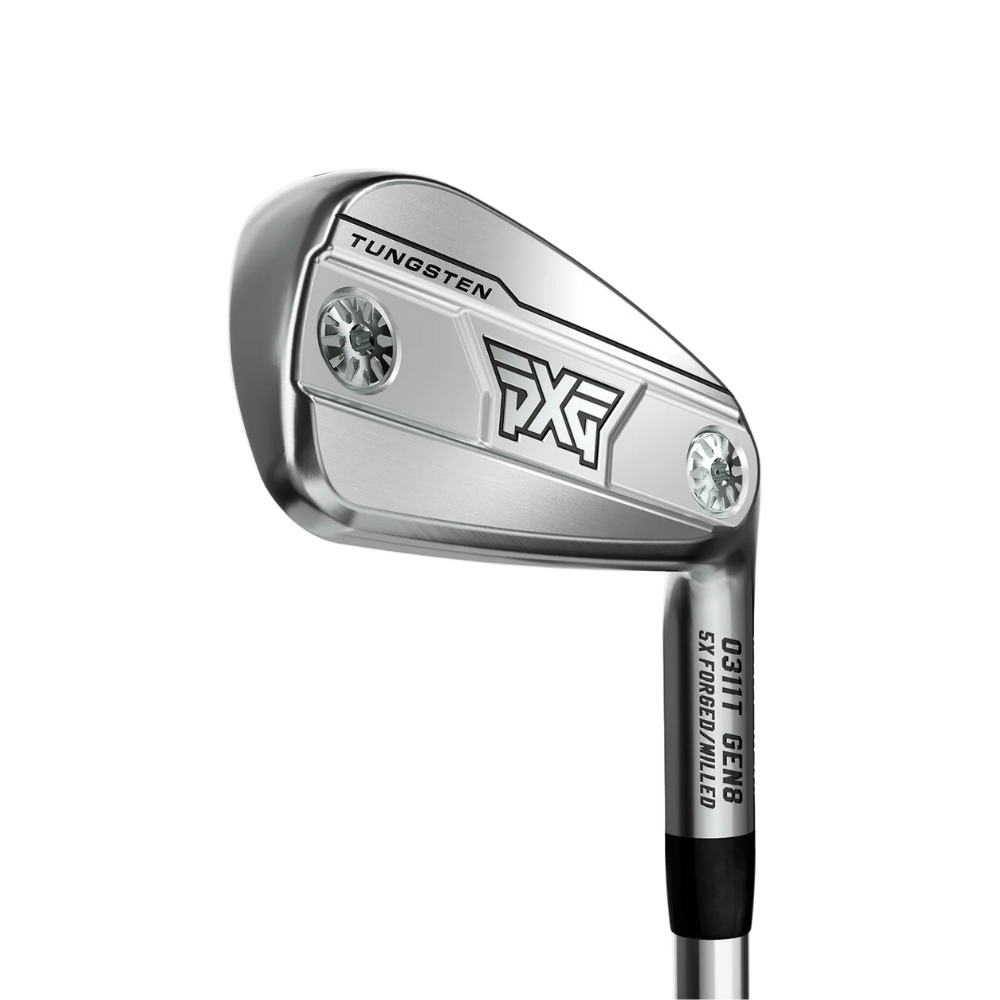
The best example I can provide is a good ball-striker who’s losing speed. I know plenty of senior-aged golfers that still strike the ball out of the middle, but their 7-iron has lost 15 to 20 yards over the years, and they want to bring back their “old distances.” This is where the difference between a PXG CB and a PXG Gen8 T can be useful — but going to something like a P or an XP could be too much.
Good ball-strikers still want control with their clubs. They want to be able to shape shots, change windows and feel like a shot-maker. The faster ball speeds we produce, with less spin and more height, the more control gets lost. So for a player who can still hit the ball out of the middle but may be on the lower end of swing speed, something like the T would be a perfect compromise. Even a combo set of CB in the bottom and T in the top could make these players feel very comfortable.
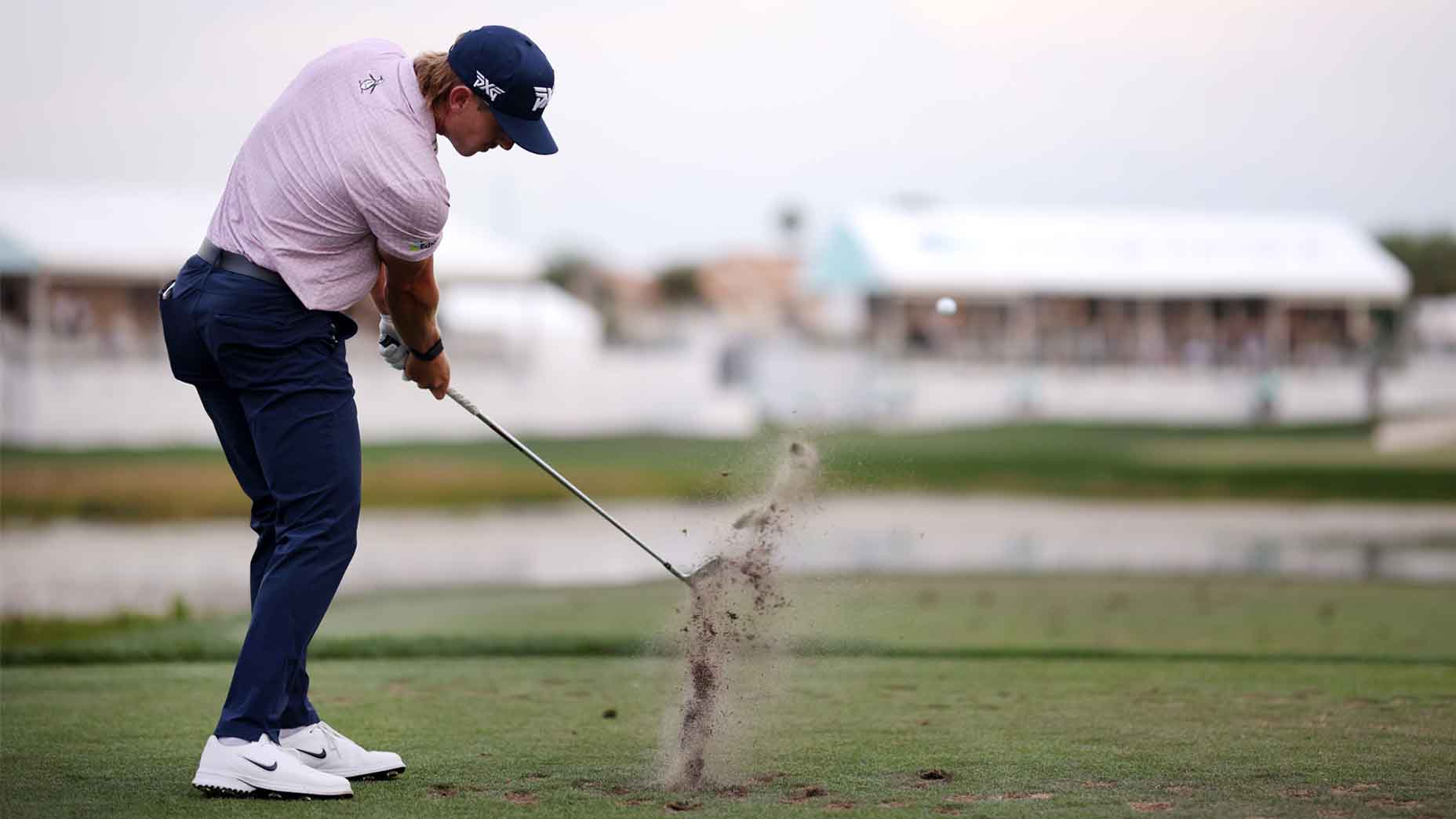
Speaking of combo sets, with PXG’s Gen8 lineup being very combo set-friendly, we need to discuss the concept of ball speed gapping in a set of irons, and why a combo set could be necessary.
Typically we’re looking for about 5 mph of ball speed in between irons. If you notice in the video with Johnny and Knapp, he hit each 7-iron iron with about a 5 mph gap in speed, while hitting the ball higher with each progressive model getting more forgiving. He started with about 135 mph in his ST irons, as a super-high-speed player, and up to 154+ in the better-player XP irons toward the end.
This speaks to loft and CG packages, but it’s also a great way to look at your entire set. If you find a really comfortable 7-iron at 115 mph of ball speed for example, you’d want your 5-iron to live around 125 mph. If you go to hit the same iron model in the 5-iron and you find yourself being a couple miles an hour short, that’s when it’s logical to move up into the next model.
View Product
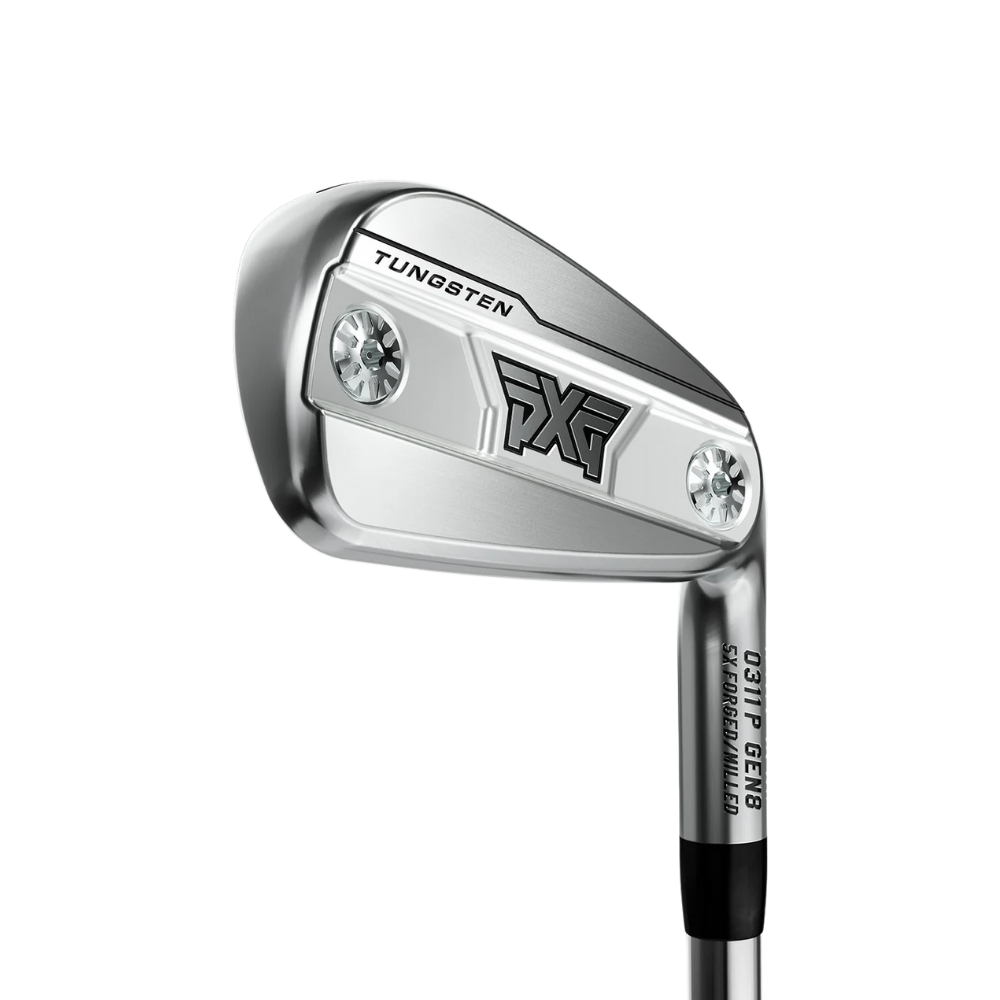
My favorite combo sets are actually for higher-handicap players at lower speeds. Something like the Gen8 P and the Gen8 XP would be a great option for players who can still strike the ball well, and who don’t want to jump into hybrids or fairway woods too soon.
By playing a set of P in the bottom of the set and maybe switching over to the XP at the 6- or 5-iron could be a great way to ensure consistent speed gaps through the set. This will usually result in about 10-12-yard carry gaps between irons, but the beauty of focusing on speed is that the speed wont change with loft. So if you need to bend the irons 1º weak or strong for the sake of height and carry, you’ll still be getting everything out of those irons that you’re looking for.
If you’re looking to get fit for a new set of PXG irons and see what ball speed you’re comfortable living at, head over to our friends at True Spec or find a PXG fitting center near you.
The post Jake Knapp hit every iron model from same brand. Here’s what he learned appeared first on Golf.