When Keegan Bradley arrived in Philadelphia for this week’s PGA Championship, something felt more at home.
“I even went out on my deck today when I was at my house and I could smell, like, the northeast,” Bradley said on Monday.
Now, this Philadelphia-native writer challenges the notion that a New England sports fan should ever feel truly comfortable in Philadelphia, but there is some truth to his statement.
What Bradley is smelling is the bent grass of the Northeast. That’s something PGA Tour pros have yet to see in the fairways at any other host site this season.
As the PGA Tour begins on the West Coast and then makes its way to the south, pros often see primarily bermuda grases and overseeded rye grass in the fairways with the occasional appearence of kikuyu and paspalum. Augusta National regressed its greens with bentgrass years ago, but the fairways are still overseeded rye grass.
The PGA Championship at Aronimink Golf Club is the first chance this season Tour pros have seen a setup of entirely cool season grasses. Add to the fact the cool temperatures and a touch of moisture from overnight rain on Wednesday, and the turf conditions are dramatically different than what players have seen all year.
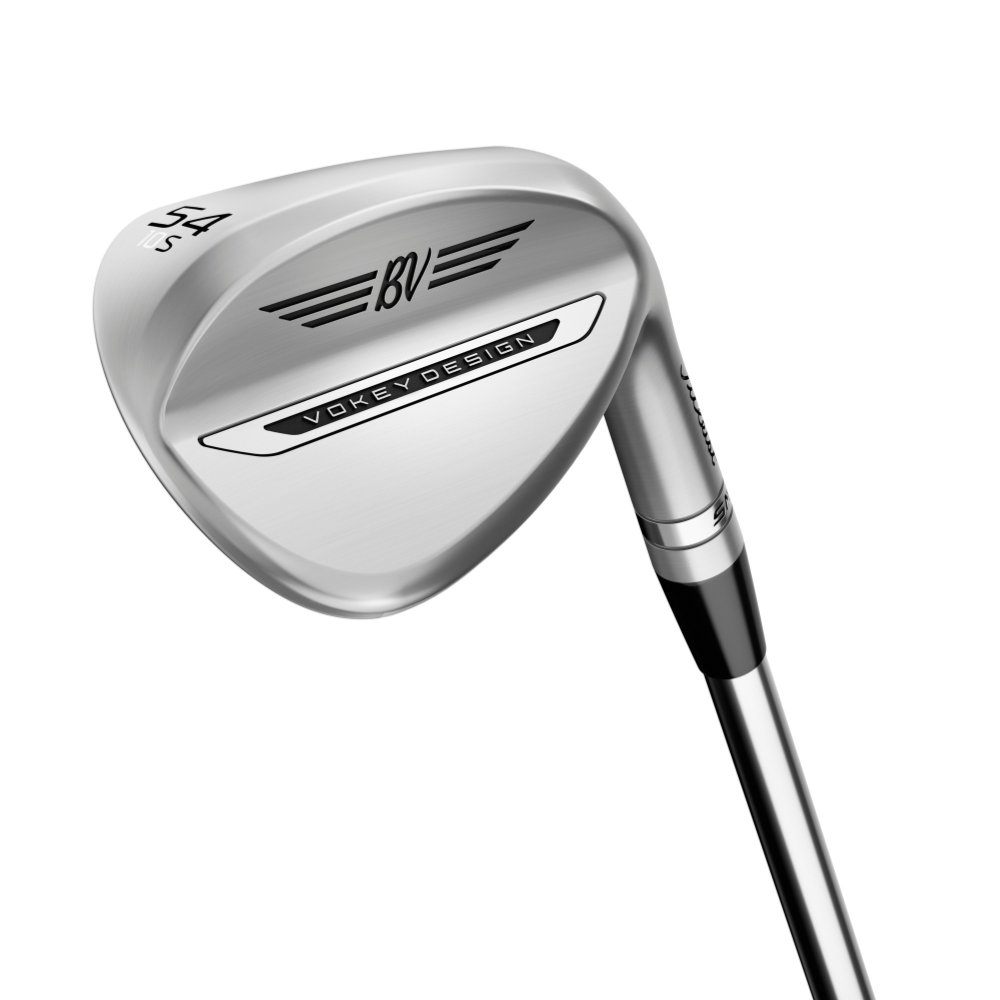
That means players were making lots of decisions around their wedge setup to optimize for those unique turf conditions, and the man guiding most of the field through that change was Vokey Tour rep Aaron Dill.
“That opens up some unique challenges in wedge selection because now we have some opportunities to change a couple things if we feel like conditions warrant it,” Dill told GOLF.
Bent grass naturally grows straight up and is cut tight. So it feels like there’s a small cushion underneath before you hit firm ground. Dill said that can make it very satisfying to pitch and chip the ball around Aronimink’s greens.
Earlier in the week, it seemed like there was going to be more rain in the forecast and softer conditions, but the weather didn’t materialize. The course recieved just about a quarter-inch or rain Wednesday night and none more is expected for the rest of the week.
Contrary to popular belief, Dill said the transition to bent grass could potentially lead to players opting for wider soles and more bounce with their wedges.
“Unlike Bermuda, which has more of a grain structure to it, the bent’s just … it’s kind of soft underneath, so it might not fold over like Bermuda will, but you can produce a nice divot with it,” Dill said.
But without the expected moisture (and conditions expecting to dry out more), Dill said the decision making for wedge changes was influenced more for conditions in the rough rather than the fairway.
View Product
The fescue rough at Aronimink isn’t overly long by major championship standards, but Dill said there was lots of variation in how the ball was sitting in the rough. Some balls would sit on top of the rough, while others have fallen toward the middle or all the way to the bottom.
There’s also the more than 170 bunkers dotting the Donald Ross layout. With so many sand traps, Dill said many players were making decisions about their wedges based on them.
With the conditions firming up, it was the rough and the bunkers that were driving most of the grind decisions.
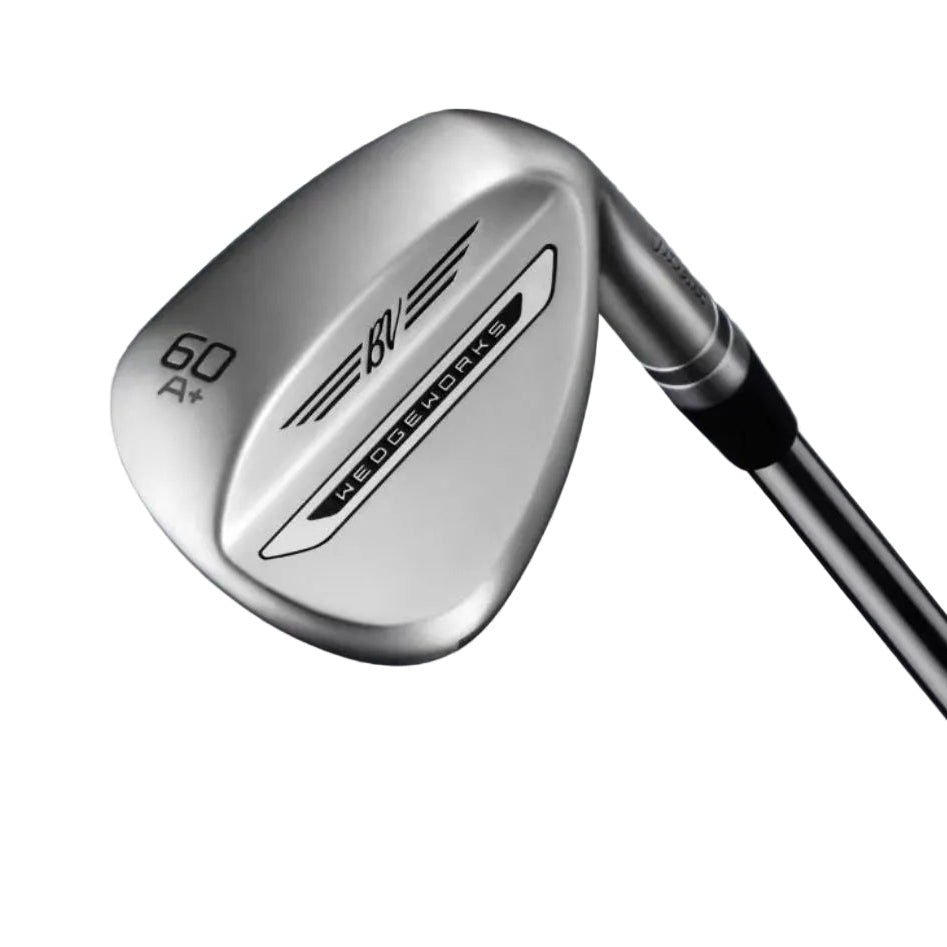
Despite the dramatic shift in turf, Dill said players make subtle changes to their wedges, especially at major championships. While many players are sticking with what they have, Dill said the common grinds he’s seeing players switch into are the L, A+ and K*, while many players are still staying in the T-Grind, the most popular grind on Tour.
Those grinds all represent versatility, giving players tools they can use for mutltiple different lies. One common thing Dill said was the goal of finding a wedge that got through the rough faster.
View Product
“If you’re playing an M grind today and you feel like it’s not moving fast enough, you might switch to an A+ because it’s essentially an M with no ribbon. It moves to the rough faster,” Dill said. “If we go thinner, if we remove some bounce, we often will have players comment on it moving faster and freer through that style of condition.”
Meanwhile players in the T, Vokey’s narrowest sole, are considering slightly wider sole options like the L or K* to give them more forgiveness out of the bunkers.
Dill also said that the variability in the rough is changing strategy for some players as they may opt for sand wedges with less loft than their lob wedge to get a better strike.
Want to overhaul your bag in 2026? Find a club-fitting location near you at True Spec Golf.
The post This Aronimink feature has pros re-thinking their wedge setup at the PGA appeared first on Golf.