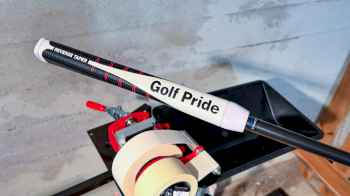
I grew up with a father who was obsessed with tinkering with his golf clubs (you can see how I ended up in my current position now), so learning how to change a grip in the basement came before I drove a car.
Re-gripping your golf clubs is fun, easy and gives you complete control of how your clubs feel in your hands. No excuses, everything is on you.
Unfortunately, all good things must come to an end and I recently moved to Boston, about 265 miles away from my dad’s workshop in Pennsylvania.
But not to worry, while I’m not going to buy all the tools I had access to in my dad’s workshop at once, I can start by easily giving myself a space to regrip my golf clubs.
View this post on Instagram
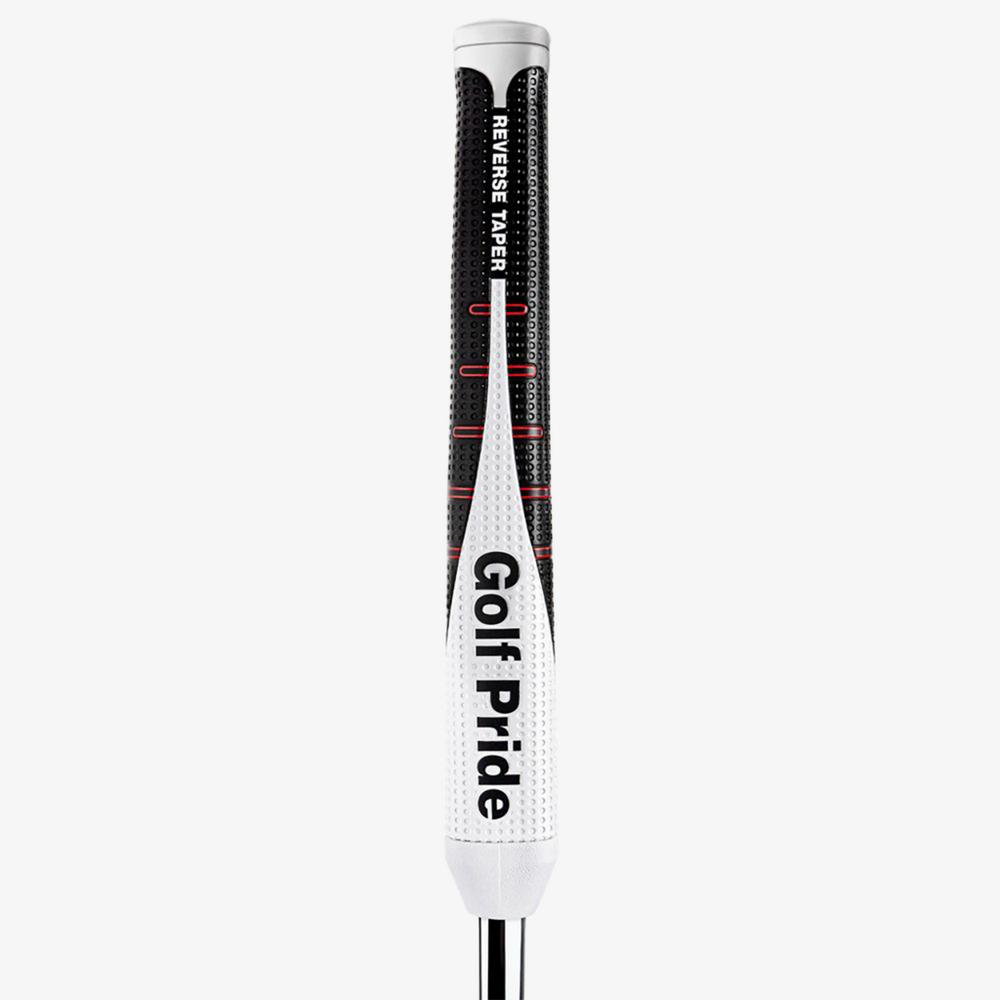
View Product
This is where garages and basements come in handy as places you won’t be afraid to get a little messy and have plenty of space.
If you can get a workbench to mount your vice, fantastic, but there are also a variety of stands and mounts on the market.
One issue I ran into in my garage is that it gets very cold and it can become difficult to get certain grips on as they are harder to work with in the cold.
Just like any process, there are multiple ways to skin a cat and there are multiple ways to remove an old grip.
You could try to save the old grip by either using a dedicated needle and solvent shooter, but this is often tedious and not worth the trouble. You can also save the old grip using an air compressor, shooting it into the grip (we’ll get into that in another article).
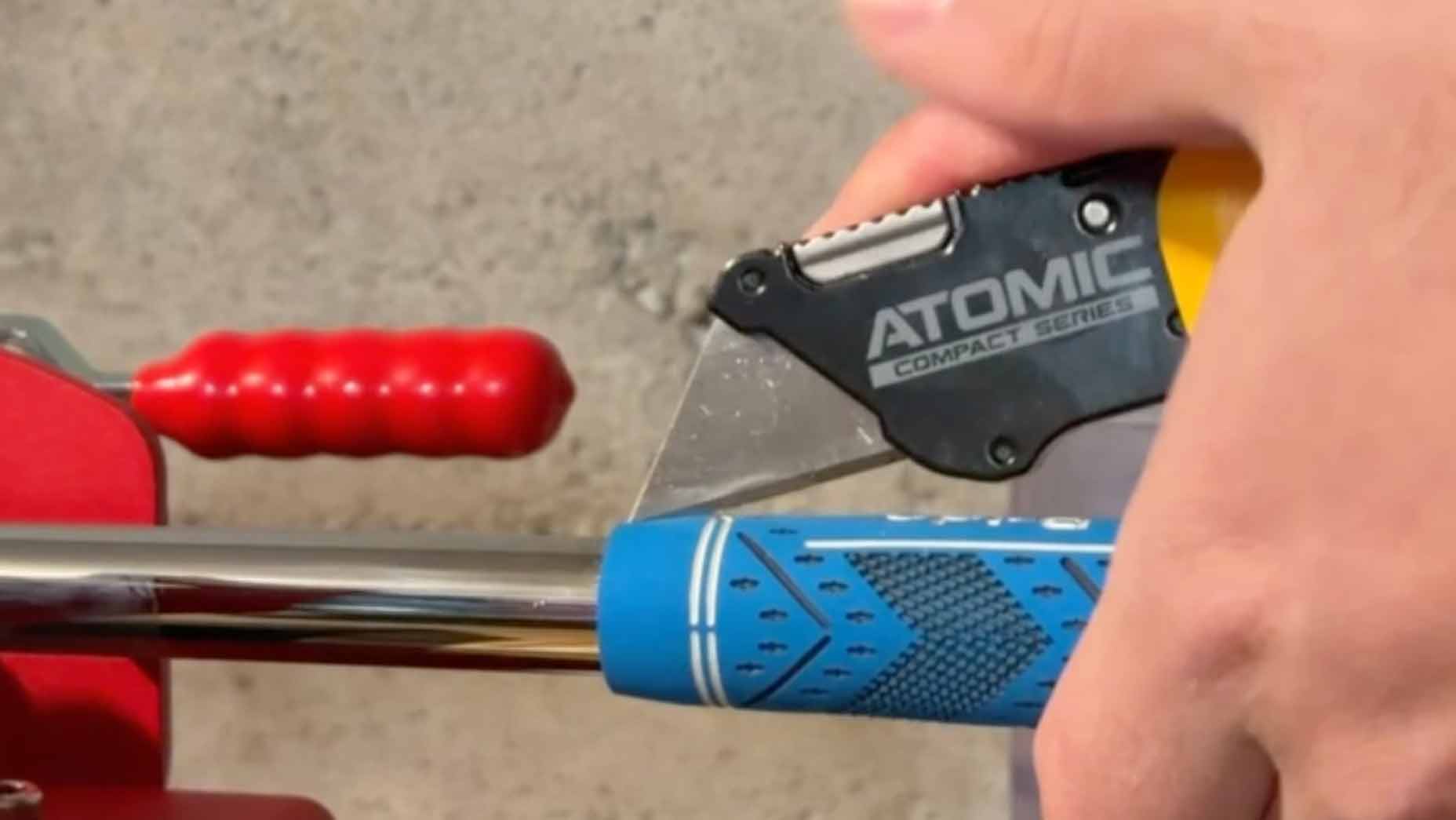
But the tried and true method is to use a regular utility knife and just cut away the old grip. A regular blade — like I’m using in the photo — works fine, but the best is to use a hook blade to avoid any scratching on non-chrome shafts. I like to do this with my club in the gripping vice. I won’t take it out until the new grip is installed.
Once you cut through the old grip, you should be able to peel it off pretty easily with your hands.
The old tape will usually stay on the shaft and again, there are a couple of ways to do this, but the best way is with heat. Use either a blow torch (quickest), heat gun or even a hair dryer (safest) to melt the glue.
Once you use that, you can either use a knife or, preferably, a dedicated tape removal tool (there are lots of options out there) to peel off any remaining tape.
The shaft will still be sticky with leftover tape residue, so you’ll need to spray some grip solvent on the shaft and wipe it off with a towel. You want your shaft to be as clean as new before applying new tape.
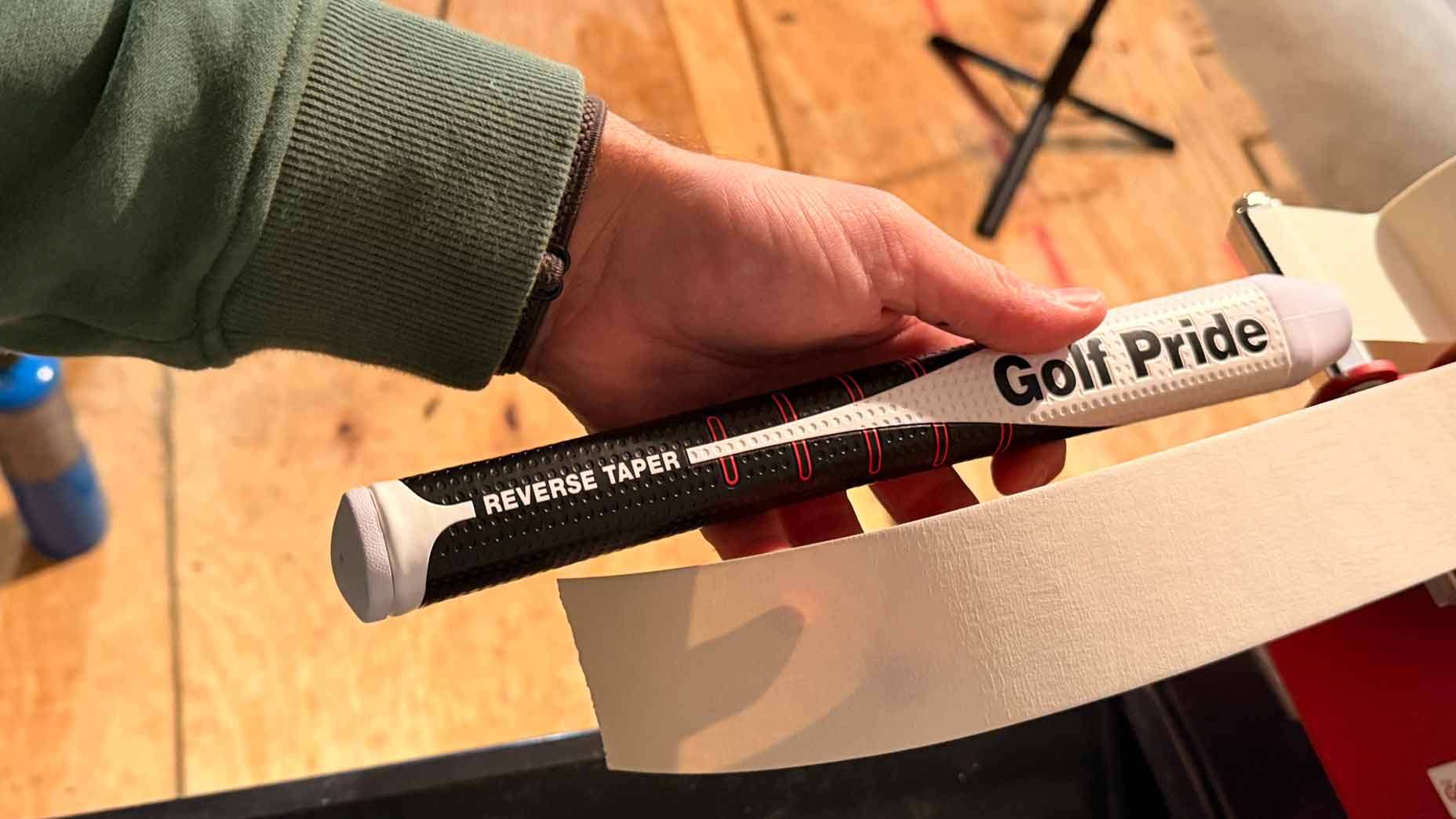
For this step, it can be helpful to have your tape set up on a stationary dispenser. Hold your new grip next to the dispenser and pull out a new strip of tape slightly longer than the new grip.
Peel off the backing of the tape and then apply it to the end of the shaft with roughly a 1/4 to 1/2 inch overhanging the end of the shaft. I like to either apply tape with one edge down the top center of the shaft or put the center of the tape over the center of the shaft and wrap from both sides. The former puts the seam of the tape on the top while the latter places it on the bottom. It’s a preference thing, but with a putter grip as I do in the video above, it really doesn’t matter.
Take the end of the overhanging bit of tape at the top and fold it inside the top of the shaft to completely cover the edge.
The grip solvent works in two ways: as a lubricant to slide on the grip and by temporarily deactivating the glue in the tape. You’ll want to make sure the entire inside of the grip is coated in solvent.
Put at least 10 pumps of a spray bottle into the grip with a finger over the vent hole at the bottom. Then cover the opening at the top with your thumb and rotate the grip around to coat the inside.
Once you feel like the entire inside of the grip is coated, hold the grip upside down over the shaft and remove your finger from the vent hole at the bottom and let the remaining solvent out onto the tape. Certain grips, like the Reverse Taper grip in the video, which is a .580″ core diameter, that I’m installing on a putter shaft, which is .600″, might need a little extra solvent sprayed on the shaft. You really can’t use too much; just know the more you use, the longer it will take to dry.
Some gripping stations have a tray to drain the excess solvent. If you don’t have that, do this over a trash can or sink.
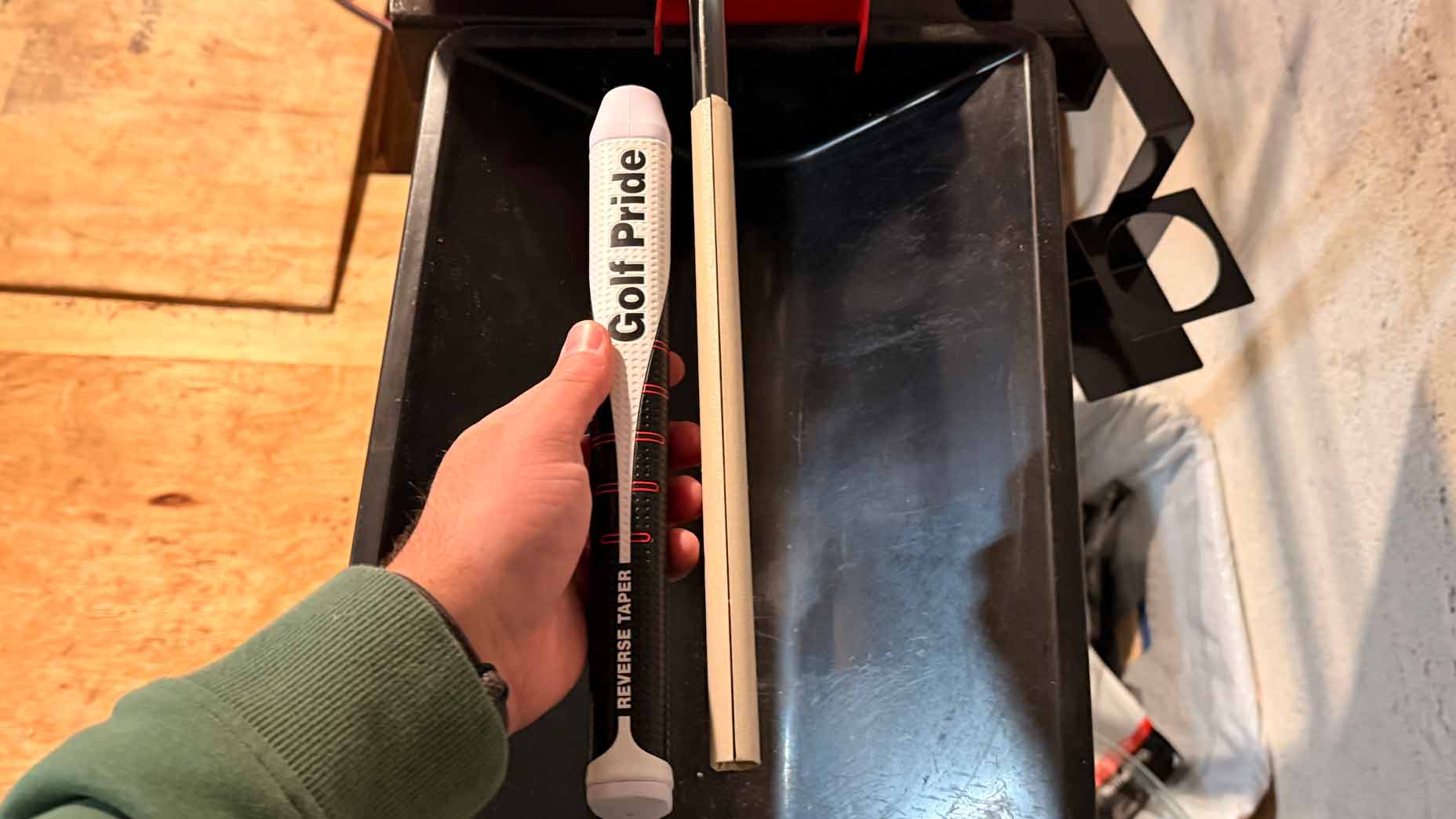
Get the mouth of the grip over the butt end of the shaft and then slide on with one constant motion. This isn’t an issue with most full swing grips, but with larger grips like putter grips, keeping your momentum going is key. If you stop, you might not be able to get it moving again and you’ll have to start over.
For a putter grip, make sure the front paddle is perpendicular to the face of your putter. For a swing grip, decide if you want the logo up or down. There are typically little marks on the grip to help you align the whole grip and ensure it’s not twisted.
Some more elaborate gripping stations have a reference point to find perpendicular angles.
You can do this initially while the club is still in the clamp, but after that, remove it and check alignment from a playing position to make sure you like it.
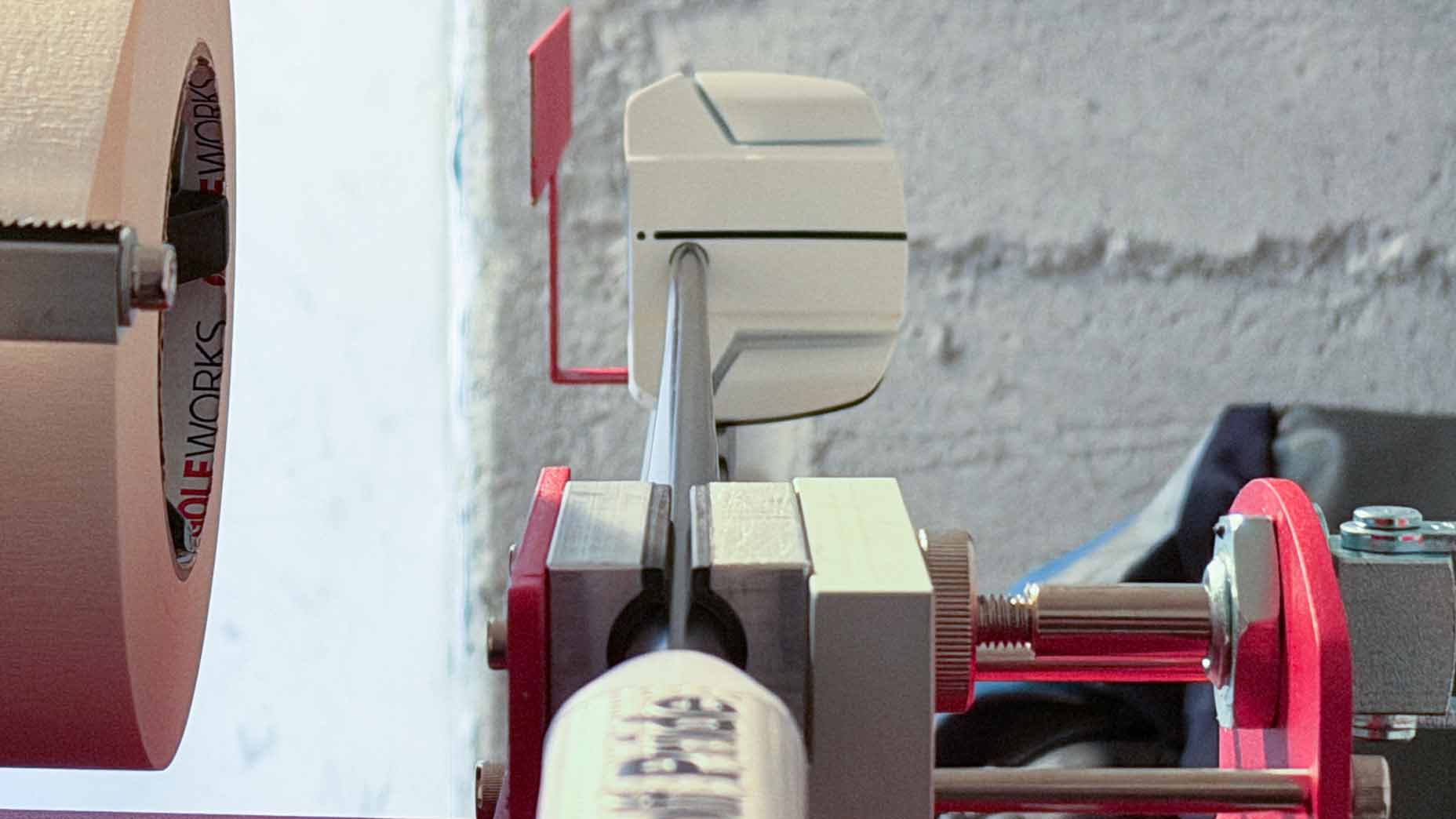
You probably want to do this before checking the alignment for the last time, but flip your club upside down and tap the bottom of the grip firmly on the ground. This ensures you’ve got the grip fully on the club.
Once you’ve ensured the grip is straight and seated, leave it somewhere out of a bag to dry. Overnight is always best, but it should be ready for play in a few hours, depending on how much solvent you use.
And just like that, you’ve got a brand new grip on your club and hopefully a productive new hobby!
The author welcomes your comments at Jack.Hirsh@golf.com.
Want to overhaul your bag in 2026? Find a club-fitting location near you at True Spec Golf.
The post How to re-grip your golf clubs at home appeared first on Golf.