
If you’re middle-aged like me, you probably remember when launch monitors were something you saw during a golf lesson or on a PGA Tour practice tee. It really wasn’t that long ago. Now they’re a common sight at the local range, and many are small enough to toss in your golf bag. Pretty cool how far things have come.
You don’t have to spend thousands to get useful feedback, either. Whether you want to learn how far you carry each club or check how consistently you’re striking the ball, an affordable launch monitor can take some of the guesswork out of practice.
These five models are available at PGA TOUR Superstore for $500 or less. Some stick to a few key numbers, while others offer more detailed data and home simulator options. We’ll start with the Shot Scope LM1, which I recently tried at the range and came away impressed.
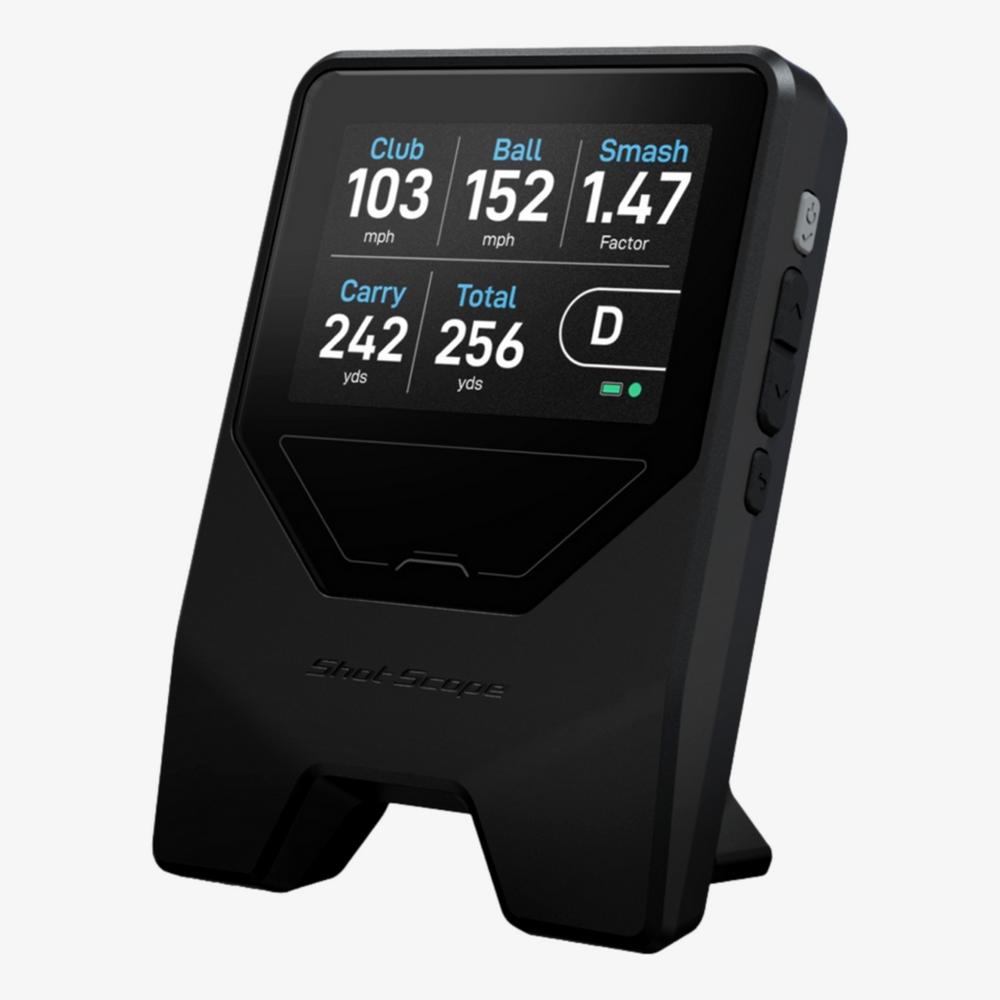
If you’re a golfer who is primarily interested in making practice more productive, the Shot Scope LM1 offers an impressive combination of simplicity, portability and value. Let’s take a closer look.
The LM1 tracks the numbers most recreational golfers need: clubhead speed, ball speed, smash factor, carry distance and total distance. Anything beyond that can start to feel a little overwhelming. These core measurements tell you how efficiently you’re striking the ball and how far it is traveling, which is exactly the kind of information that can help you sharpen your practice. Results appear almost immediately on a bright 3.5-inch color screen, so there’s no need to check your phone after every swing. However, the device can also sync with the Shot Scope mobile app, allowing you to save your sessions and review the data for each club.

Setup is refreshingly uncomplicated and probably my favorite part of the whole device. Place the LM1 approximately five feet behind the ball on the target line, select the appropriate club and begin hitting shots. That’s it. It works indoors and outdoors, offers several display modes and provides up to five hours of battery life. A dedicated speed-training mode can also measure swings made with regular clubs or speed-training sticks, no ball required.
I recently used the Shot Scope LM1 and was impressed by just how simple it was. Set it up a few feet behind you, directly on the target line, and it just works. No fuss, no worries, just instant data.
If you’re wondering about accuracy, I tested it alongside my local driving range’s built-in shot-tracing system. Wouldn’t you know it, the LM1’s distances were remarkably close to the range’s numbers, generally within a yard or two with my shorter clubs. That is pretty amazing for such a small and relatively inexpensive device.

The greatest difference appeared with my driver, which made sense because the range uses limited-flight golf balls. The LM1 seemed to report the ball’s actual performance, while the range’s system appeared to compensate for the reduced-flight balls and display an adjusted estimate. Because limited-flight balls tend to have a greater effect on longer shots, the gap was more noticeable with the driver than it was with wedges and short irons.
I haven’t tried the LM1 on a golf course yet, but a launch monitor this simple is an excellent practice tool for dialing in your distances. Remember, the LM1 doesn’t attempt to be a full-scale golf simulator or overwhelm players with highly technical measurements. Its appeal lies in how quickly it delivers clear, useful information that can help golfers practice with greater purpose. At less than $200, it is a stellar little device.
1 thing we really like: How easy it is to use. I don’t know how it could get any easier.
View Product
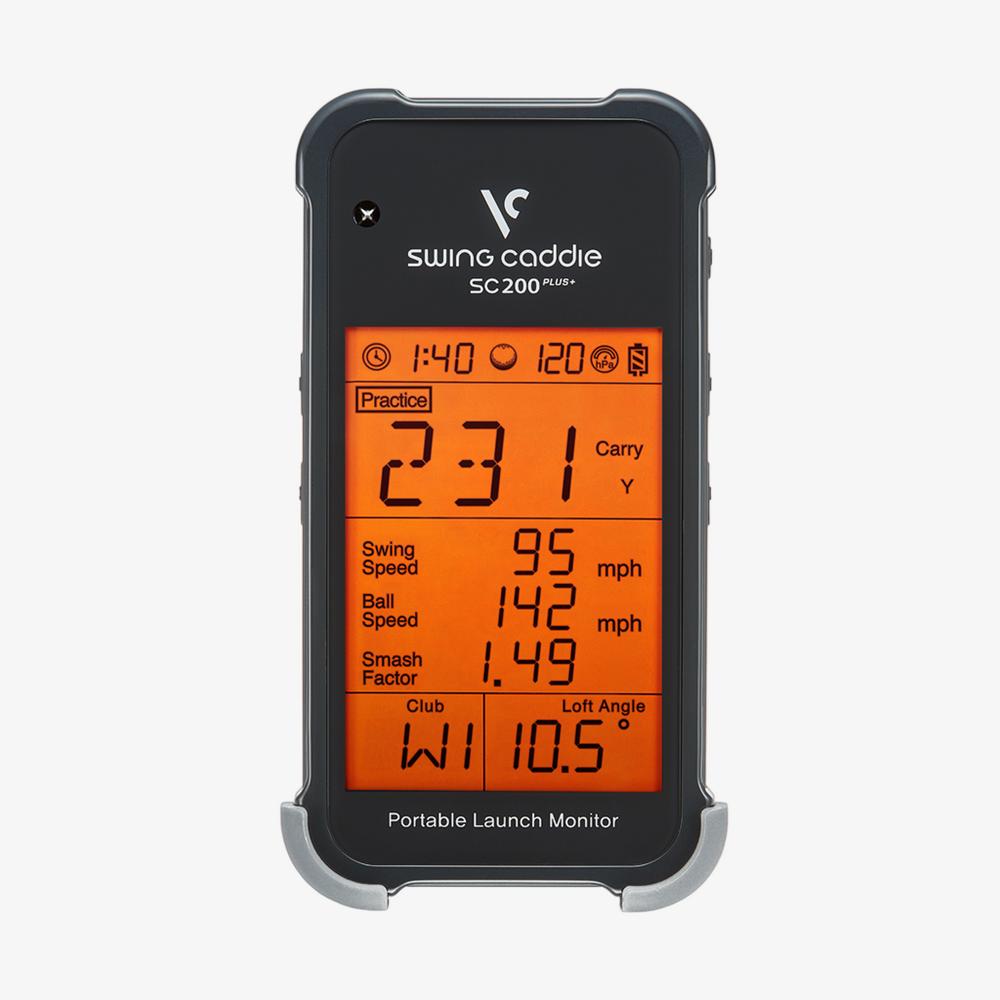
The Voice Caddie SC200 Plus is another strong choice for golfers who favor immediate feedback over elaborate simulator features. Using Doppler radar and an atmospheric-pressure sensor, it measures carry distance, swing speed, ball speed and smash factor. Its spoken distance feature is especially convenient because golfers can hear the result while remaining in position for the next shot. A small remote control is included, minimizing the need to walk back and forth between swings. (Just don’t have the volume up too high to distract those around you.) The SC200 Plus also includes a practice-swing mode that measures clubhead speed without a ball.
1 thing we really like: It’s another easy-to-use option and the voice readings is actually a nice feature to have, especially in sunny conditions. It’s also on sale at the moment, which is very nice!
View Product
The Izzo Golf Launch Mate takes a similarly approachable route as the previous two entries. Its Doppler-radar system measures swing speed, ball speed, carry and total distance, and smash factor. Shot information appears on the unit’s LCD screen, while an adjustable stand helps position the display at a comfortable viewing angle. It can be taken to the driving range or used at home with a hitting mat and net, provided there is adequate room for the radar to follow the ball.
1 thing we really like: Believe it or not, we like that it runs on four AA batteries. Sometimes it’s just easier to not have to remember to charge everything and know you can pick up batteries anywhere.

View Product
Also from Voice Caddie, the SC300i expands upon the fundamentals with a broader collection of ball-flight data. Along with swing speed, ball speed, carry and total distance, and smash factor, it measures launch angle and apex. Spin information is available through the MySwingCaddie app. Like the SC200 Plus, it combines Doppler radar with atmospheric-pressure calibration and can announce distances aloud. Bluetooth connectivity allows practice data to be transferred to a phone or tablet for longer-term analysis, but the built-in display and included remote still allow the device to function as a convenient standalone range companion.
1 thing we really like: If you spend a little more and get this one, you’ll get a lot more features than you’d expect at this price point and at this size.

View Product
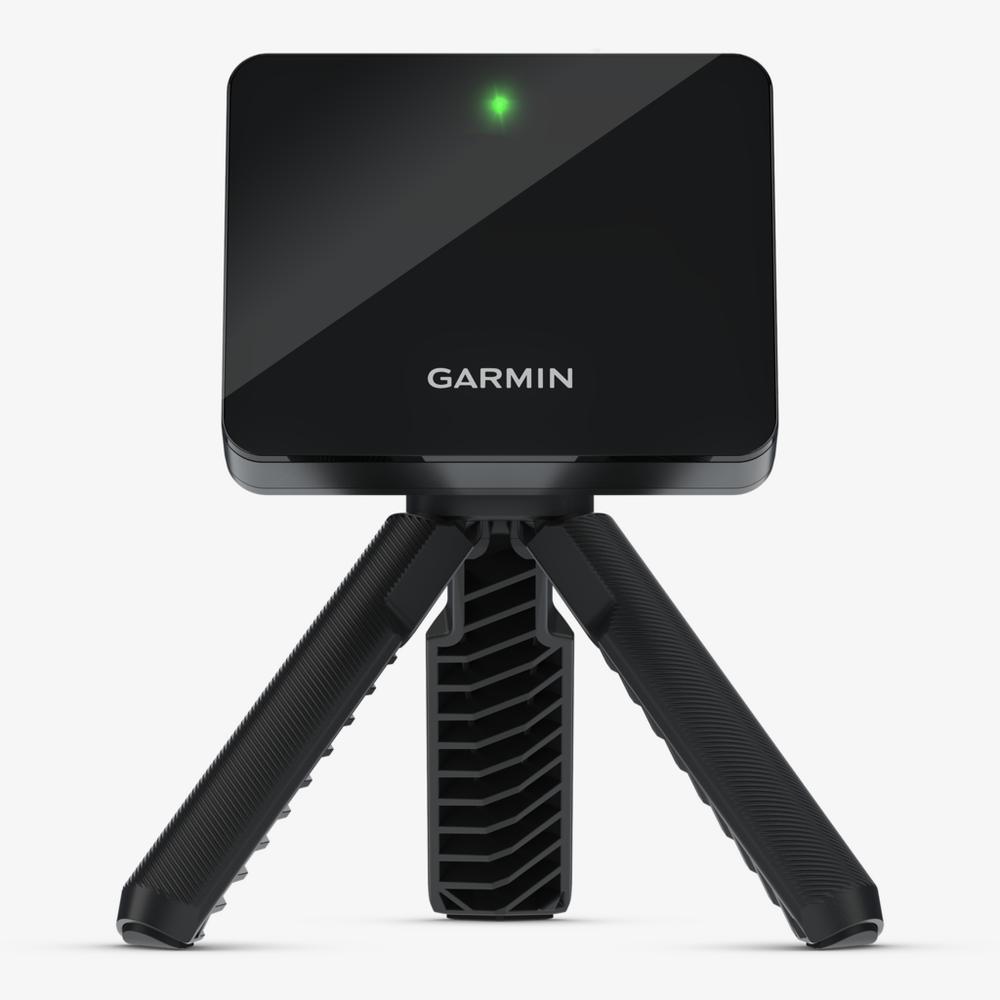
The Garmin Approach R10 is the most feature-rich option on this list. It tracks more than a dozen metrics, including clubhead speed, ball speed, launch angle, launch direction, spin and smash factor. The Garmin Golf app can display dispersion patterns and automatically record swing videos with shot data overlaid on the footage. Golfers interested in virtual play can access more than 42,000 courses through a Garmin Golf membership, while compatibility with platforms such as E6 Connect, Awesome Golf and TGC 2019 provides additional simulator possibilities. Some software features and course libraries require separate memberships or purchases.
1 thing we really like: It has the goods to work as an entry-level golf simulator.
View Product



The post 5 affordable launch monitors that still perform incredibly well appeared first on Golf.