Mitsubishi Golf Shafts is a juggernaut in the golf shaft world, and its headquarters now reflects that.
They’re one of the only companies that are completely vertically integrated, meaning they manufacture the material themselves and they’ve driven major trends in the shaft industry for decades.
But until recently, their U.S. HQ has never really been anything to brag about, at least not for experiential testing, research, prototyping development, and ideation.
That’s all changed with the opening of the brand-new Mitsubishi KOBO Studio inside their Carlsbad, Calif. headquarters.
I’ve had the pleasure of being involved with the Mitsubishi Golf for quite a long time. I still remember to this day how excited I was when I snagged my first Tensei CK Pro Orange v3 off the PGA Tour.
I actually got into golf equipment as part of a small Mitsubishi shaft testing program run through an old golf forum. Just knowing how much a shaft could change my game was enough to start the entire snowball that has become my career.
That being said, Mitsubishi has always held a special place in my heart. The only downside really was that while I could travel to San Diego and mess around in the Project X Handcrafted Lab or the Fujikura headquarters up the road, there was nothing to experience within the walls of Mitsubishi Golf itself.
A few weeks ago, Johnny Wunder and I got to visit the new Mitsubishi KOBO — “Artesian Workshop” in Japanese— Studio and experience all of the new tools and technology they have.

The introduction of the KOBO has been years in the making. I remember talking to the Mitsubishi team even before I started working at GOLF about building a new space inside where they could prototype shafts for players in-house, while also providing an area for shaft R&D with different levels of players.
Jason Felicitas leads the M-Lab Fitting bay inside the KOBO and is the lead builder inside the new build shop. If you ordered a shaft from Mitsubishi’s latest limited-edition drop, he built it up for you.
Felicitas has been instrumental in the development of the new M-Lab Fitting Protocol Mitsubishi is developing in coordination with other members of their tour team, including PGA Tour Rep Kevin Napier, who I’ve had many conversations with over the years about what shafts actually accomplish in the golf swing. He works with the best players in the world, including some of the success this year with multi-time winner Cameron Young.

When speaking with Mitsubishi’s Will Miele during the filming of our KOBO feature, one of his focuses was how important it was for the US team to separate their workflow from the Japan team. Not to separate the company, but rather to accelerate some of the work they wanted to do.
By prototyping in-house, Mitsubishi’s tour teams now have the ability to get more players into better equipment faster than they’ve ever been able to before. They’re also able to use that prototyping to help influence the feedback that they provide to their Japan team for future product development that will end up going to fitting bays and retail environments.
Tom DeShiell, who’s forgotten more about golf shafts than I’ll ever learn, also sat down with us to talk about what exactly this new equipment and the new prototyping can do for him as an engineer.
“With the renovation of the rooms down here for performance testing, we also built up a prototyping area with all the equipment we need to prototype shafts, integrate materials, do some cosmetics,” he said. “Which we can do here now and will really speed the process up.”
He also took the time to walk me through some of their spec testing in a new dedicated area, which was something I hadn’t seen or experienced before. It was really cool to see how many different things they are measuring not only to test for quality control but also to experiment with different structures and profiles and get hard data in hand for what exactly is being affected.
They now can run these experiments almost at will.

“So that’s the nice part is being able to know that when we have a profile design for a specific type of player, whether its a tour player or we’re trying to scale something for market, we can test it really quickly,” Felicitas said.
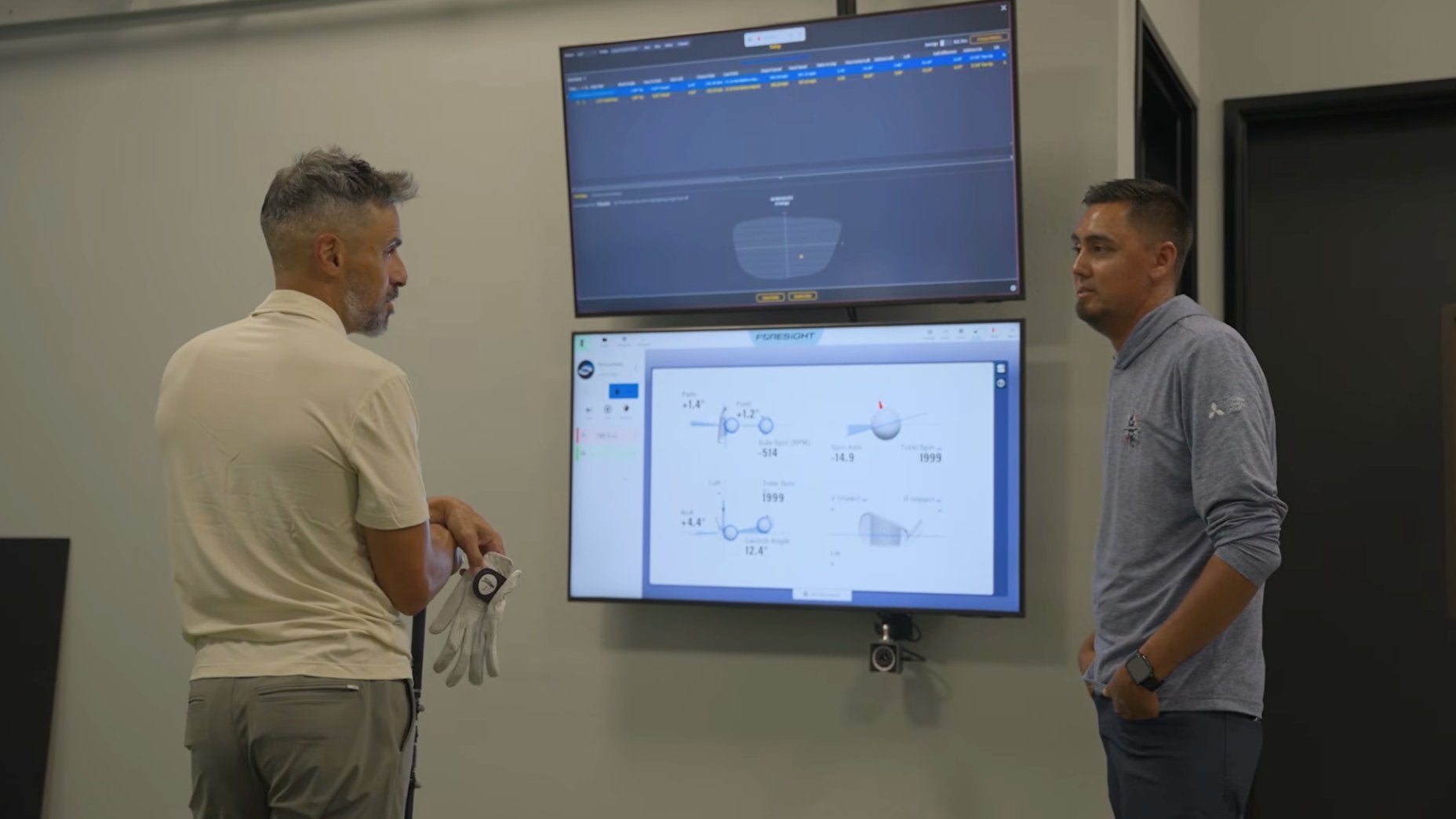
Part of that performance testing is figuring out what the shaft is actually doing during the golf swing. That’s where the GEARS system, a technology used by dozens of others in the industry, comes in. Much of this testing has helped to validate their new M-Lab Fitting Protocol that aims to eliminate launch and spin fitting and marketing of golf shafts.
“Traditionally, when you think of shafts, you think of it affecting launch and spin,” Weile said. “Where we got the feedback from our testing, we’re looking at it more from a dispersion standpoint. We’re focusing on impact location, start line, and feel.”
Felicitas said they took a comprehensive look at GEARS data to see the differences in how players swing.
“One, dynamic loft doesn’t actually change much between profiles, but we noticed a substantial change in dynamic lie angle, or droop,” he said. “This affects the start line of the golf ball. The second thing that it very much impacts is the impact location on the face. And then the last segment of that is that we noticed that players would load the shaft differently based on what they are feeling. Those are the things that we can actually put our name on to say these are the levers we can pull to help you play better golf.”
On our visit down to check out the new studio, Wunder went through a light version of the new fitting protocol, including taking some swings on GEARS to see how his swing would shake out.
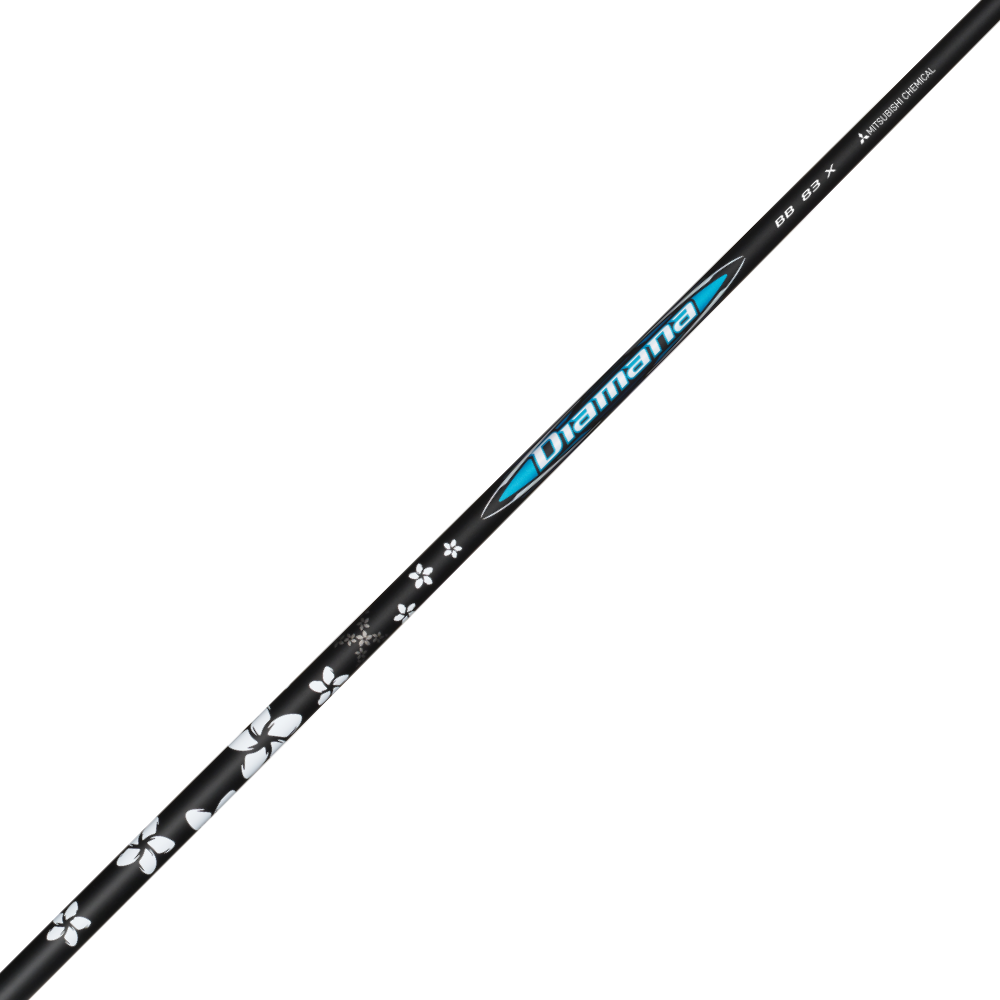
He ended up in the Diamana BB, which is a pretty drastic change from his typical Ventus Black offering, but the reasoning inside the fitting and what happens during his golf swing makes a ton of sense. He’s also used the BB profile on and off over the years, so it wasn’t really a surprise for him coming out of that fitting.
View Product
Mitsubishi will always hold a special place for me personally, and I’m really excited to see what they end up doing with all of the new capabilities that they now have in-house in the States.
From prototyping for tour to testing products that will end up in consumer hands, there’s more freedom for Mitsubishi now than ever before. Now all I’ve gotta do is get them working on that Made for the Range Tensei I’ve always dreamed of.
Want to find the best driver for your game in 2026? Find a club-fitting location near you at True Spec Golf.
The post We toured Mitsubishi’s new state-of-the-art Carlsbad HQ. It was a long time coming appeared first on Golf.