After over a year of its first mini driver, the GT280, being on the market, Titleist listened to the feedback. Now its new mini driver is slightly less mini.
The company added to its GTS metalwood lineup on Tuesday by announcing the GTS300 Mini Driver, featuring a larger 305 cc head shape, on par with many competitors in the category.
“The main goal in development was to make GTS300 a more forgiving mini driver,” Titleist’s Senior Director of Metalwood Development, Stephanie Luttrell, said in a release. “The increase in volume and shift in CG gave us approximately 15–20% greater inertia. At the same time, we still put a premium on versatility and performance off the turf with this club.”
The club launched on the PGA Tour at the Truist Championship, and since then Justin Thomas, one of the players whose input helped shape the mini driver, has utilized the club for setups that don’t call for many 3-woods off the deck.
Keep reading below for more on the GTS300 Mini Driver, including my take on the release.
Titleist’s first mini driver, the GT280, proved a successful debut in the surging category, which is increasingly becoming more popular on the PGA Tour. While the 280 cc size, the smallest on the market, led to great off-the-deck versatility, the feedback from Titleist’s Tour staff was clear.
They wanted more forgiveness.
“But JT and Cam [Young], who have played mini drivers periodically, said, ‘Can you just give me some more help? Can you give me some more inertia? But let’s not go too big,'” Tom Fisher, Titleist’s global product line director for woods and irons, told GOLF.
“The one thing about GT280 was we loved where we wanted the CG for launch and spin, but we also wanted versatility. We wanted it small enough that we could give you that tee-and-turf performance, and obviously, having the L-Cup face in it. The feedback was, ‘Don’t change any of that.'”
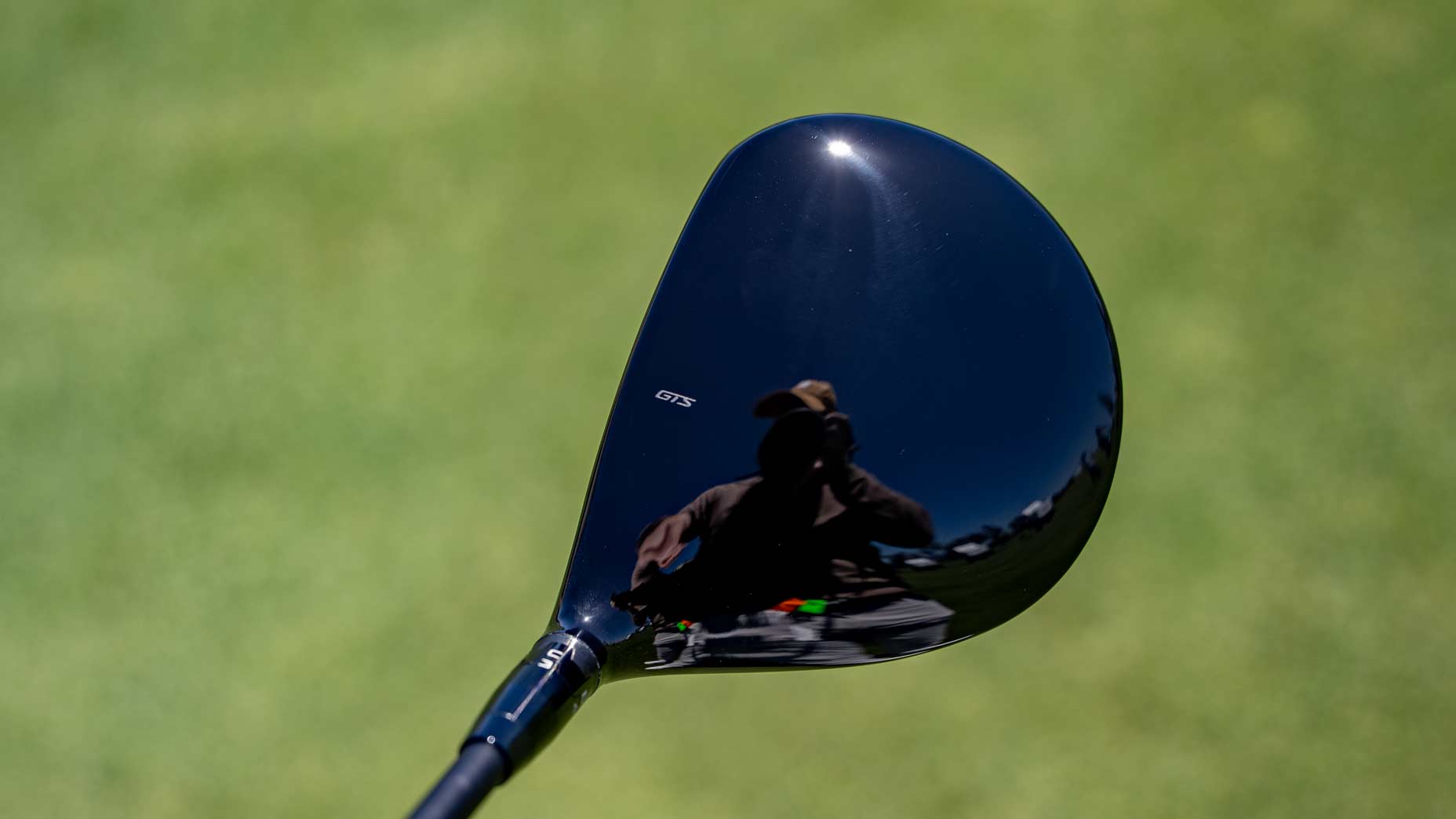
Titleist Senior Director of Club Promotions JJ Van Wezenbeeck said the GT280 was designed to provide performance off the ground first. Now the goal was to add back more forgiveness.
For GTS300, the Titleist team started with the same face depth from the GT280 and grew the profile to 305 cc, adding the forgiveness players were looking for. Like the previous iteration, the design leverages the forged L-Cup face to increase ball speed low on the face, where most players strike mini drivers off the deck.
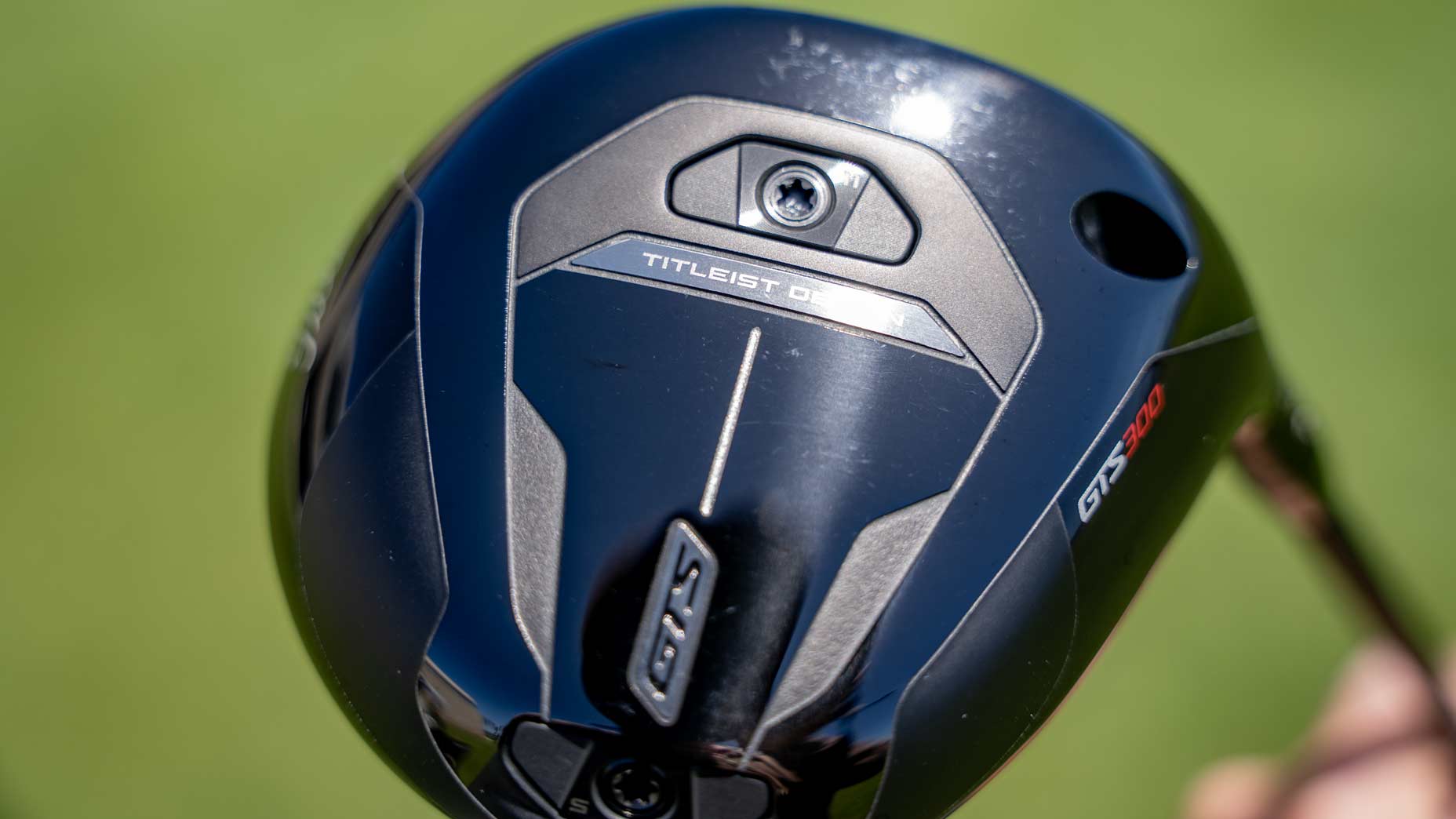
Also coming over from the GT280 and the entire GTS driver line is Titleist’s dual weighting system, which allows for fore-and-aft CG adjustment.
Luttrell said keeping the CG adjustability is especially important for the mini driver since different players will use one in different ways.
“We know it’s going to be used off the tee the majority of the time, but there are so many decisions,” she said. “Are you trying to squeeze one out there? Are you trying to hit a bullet? Are you trying to carry it 280? There are so many decisions — that’s what makes it so hard to fit.”
In the stock settings, the heavier 11g weight is in the forward position to lower spin for max distance off the tee while the 3g weight is in the rear. Moving the 11g weight back helps boost launch and forgiveness, making the club easier to hit off the deck.
The 11g and 3g weights can also be swapped out to create in-between settings or adjust for swingweight through custom wieghts or the GTS weight kit.
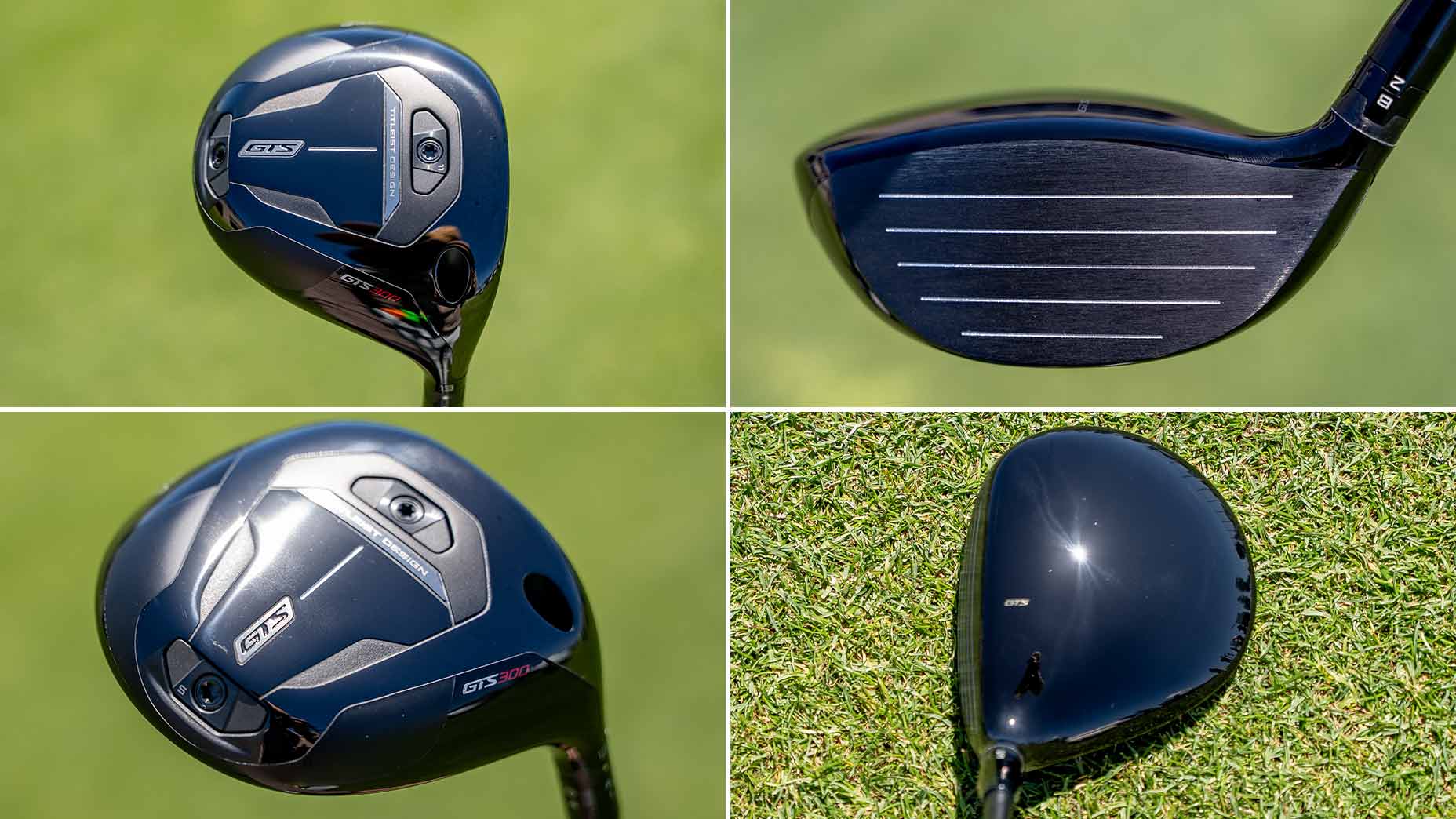
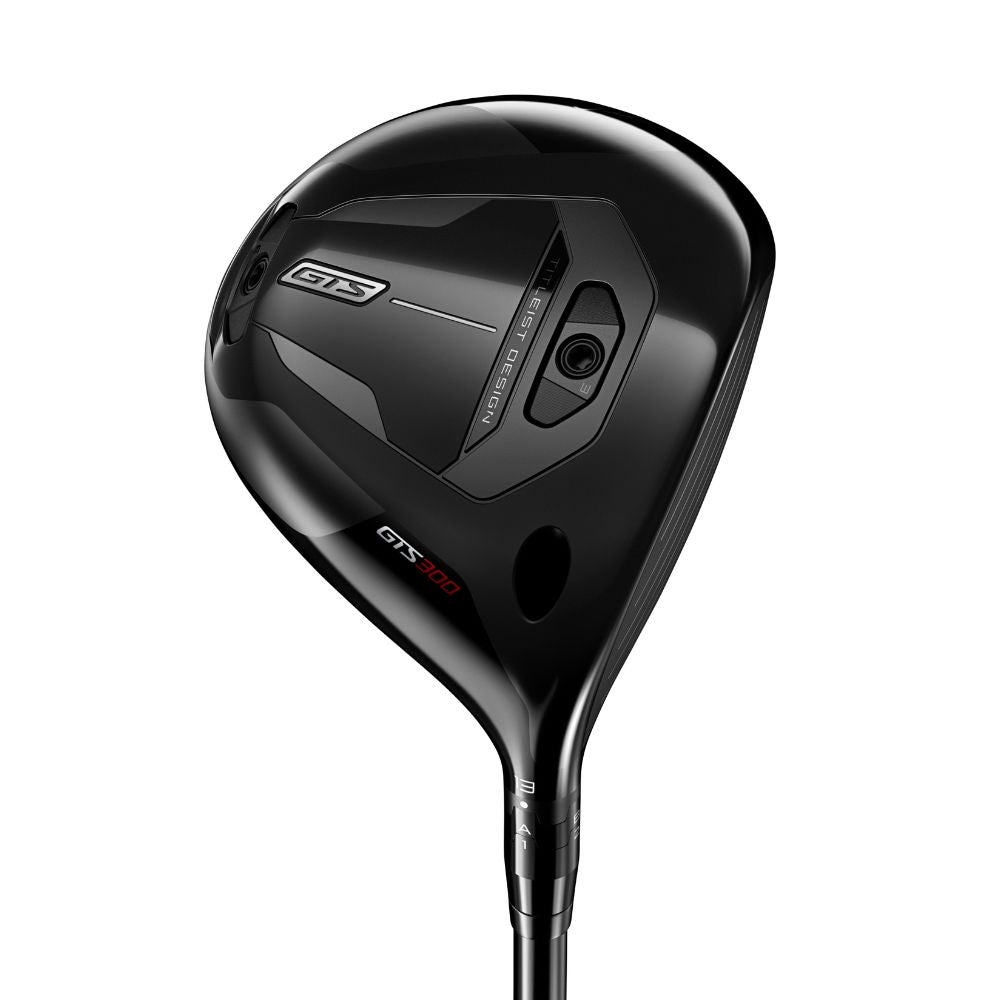
What is it: A 305 cc mini driver with the same profile and face depth from the previous GT280. The GTS300 also still has full scoring lines, similar to a fairway wood, and the Forged L-Cup titanium face that wraps around the bottom of the club to boost performance on low strikes.
Available lofts: 13˚
Who it’s for: Players seeking a more forgiving 3-wood replacement option to be used primarily off the tee.
As soon as the GTS280 popped up on Tour, this is logically where Titleist was going to be headed with their mini driver platform.
The GT280 was a wonderful first entry into the space, but the GTS300 feels more mini driver and less big 2-wood. It still has all the features that made the GT280 popular, from the low-strike performance to the full face scoring lines, but now the size is just a little bit more friendly.
In testing the GTS300 at the Titleist Performance Institute in California, I was finding impressively tight spin and launch windows on a day when I was actually really struggling to hit my gamer mini driver off the deck or a tee.
My ball speeds were humming in the lower 160s and my launch was right at 10 degrees with just about 3000 spin. For me, that’s a perfect mini driver that works well off either the tee or fairway, but the ease with which I replicated those numbers is what impressed me.
It seems that almost everyone is starting to agree that roughly 300 ccs is the optimal size for a mini driver and I would tend to agree. Now, Titleist has a very compelling option at that size.
View Product
ALSO AVAILABLE AT: PGA TOUR Superstore, Titleist
Titleist’s new GTS300 Mini Driver is available for pre-order starting July 14 and will arrive at retail locations on July 23.
The mini driver costs $549 with any of Titleist’s featured shaft offerings (Project X Titan Black, Mitsubishi Tensei 1K White, Blue and Red w/ Rip Technology) or $749 with their premium shaft offerings (Graphite Design Tour AD DI, VF or FI). Titleist’s full lineup of custom shaft options is also available.
Want to find the best driver for your game in 2026? Find a club-fitting location near you at True Spec Golf.
The post Titleist just made its new mini driver less mini. Here’s why appeared first on Golf.