Welcome to Fully Fit 2026, GOLF’s new platform for providing you with real-golfer insights into what 2026 gear might be best suited for your game. To this end, we assembled six GOLF content creators of varying abilities and ran them through the gauntlet of six full-bag fittings (driver to putter!) at six major club manufacturers in Phoenix and Carlsbad, Calif. Our hope: that you might see shades of your own game in one of our panelists and take some learnings and inspiration from their fitting experiences. In this installment (below), Wadeh Maroun details his irons journey around Fully Fit 2026. You may browse each of our panelists’ full 2026 dream bags here:
Jake Morrow (+0.3 handicap) | Jack Hirsh (1.1) | Wadeh Maroun (1.1) | Johnny Wunder (2.8) | Maddi MacClurg (5.7) | Sean Zak (7.6)
MORE FULLY FIT: Fully Fit hub page | Why we’re ‘testing’ golf clubs differently this year | Inside 6 days of fittings and testing | Browse 2026 drivers | Browse 2026 irons | How 5 days of club fittings changed my mind on golf equipment
Fully custom-fit irons were never supposed to be the headline of this trip. They were just one box to check on a longer list of equipment that needed dialing in.
I had my identity as an iron player figured out: a cavity-back guy through and through, with maybe a more forgiving 4-iron thrown in at the top of the bag for good measure.
Simple. Settled. Done.
Boy, was I wrong.
It all came to a head on Day 1 at the Ping Proving Grounds, working alongside Ryan Carr — a legend of a human being and an even better fitter. We started exactly where I expected to start: cavity-backs, with a more forgiving long iron up top. On this particular day, that meant Ping Blueprint S irons paired with an i240 at the 4-iron.
We went through the motions. The numbers came in exactly like they always had. The good swings were genuinely good — tight dispersion, solid numbers. But the misses told a different story. Every mishit was 20 yards short of the target, no exceptions.
Ryan studied the data, looked over at me, and did something I wasn’t expecting: He reached into his bag and pulled out a demo of the then-unreleased Ping i540, a hollow-bodied players-distance iron.
“I don’t think this is the iron for you. But let’s try it anyway,” he said.
First swing: every number hit, baby draw right on line. Second swing, same thing. Third, fourth, fifth — it just kept happening. The consistency was enough to pull Johnny, Jake and Jack over from other bays on the range, all wearing the same puzzled expression, all asking some version of the same question: “What is that you’re hitting?”
From that point on, the rest of the trip took a different shape. I stopped reaching for cavity-backs out of habit and started hitting nothing but players-distance irons. The TaylorMade P770 felt built for my swing tempo. The Callaway Apex Ai150 impressed. The Cobra 3DP Tour and MB both had moments where they felt like the answer.
It was a genuine revelation: all I had to do was set aside the ego and play what actually fit what I was trying to accomplish — instead of boxing myself into a category because of how I’d always identified as a player.
By the end of the trip, three irons rose above the rest: the Ping i540, the Cobra 3DP and the TaylorMade P770. I ultimately went with the P770, which produced the most consistent north-to-south dispersion of the group — the kind of repeatable pattern that builds trust on the course, not just on the range.
Since making the switch, I’ve shaved a full stroke off my handicap, and now I’m down to a 1.1 index in my goal of getting to the coveted 0.0. Scratch.
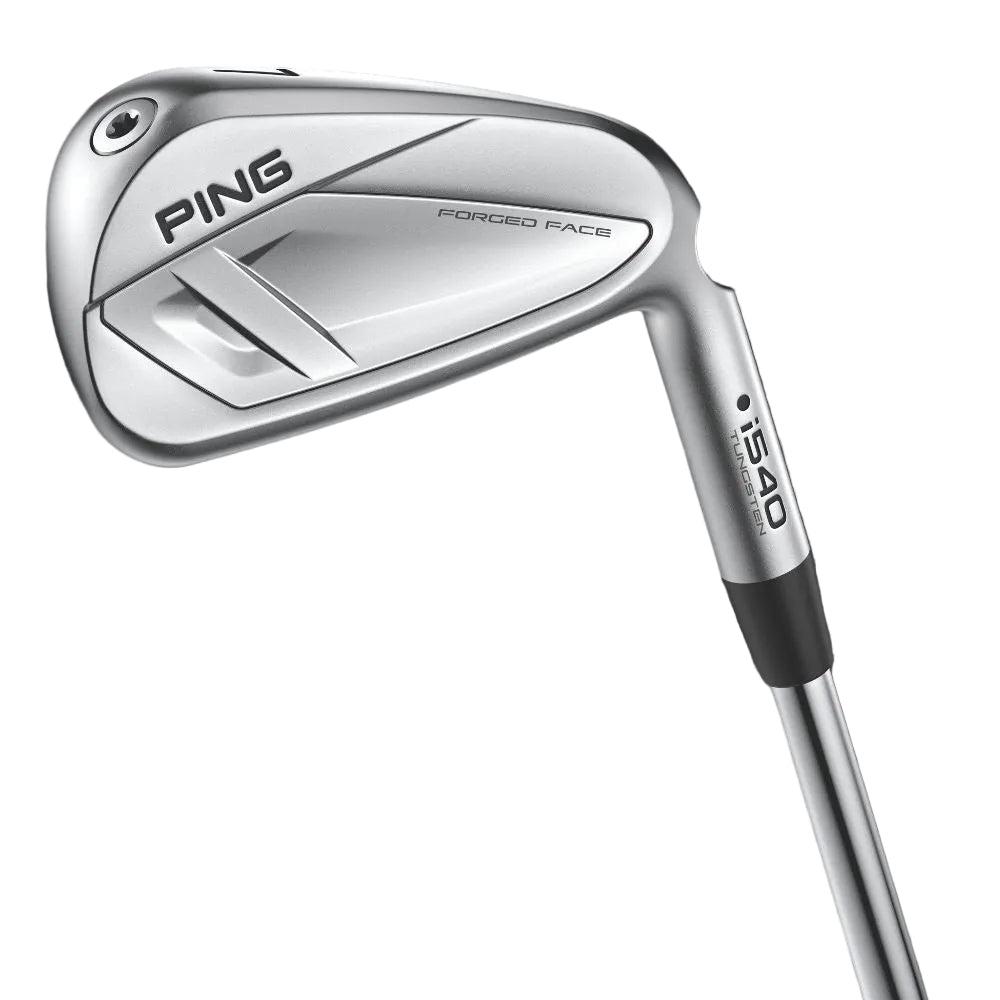
View Product
I’m just going to say it: these things jumped off the face in a way I genuinely wasn’t prepared for. And the numbers backed up exactly what I was feeling, which doesn’t always happen.
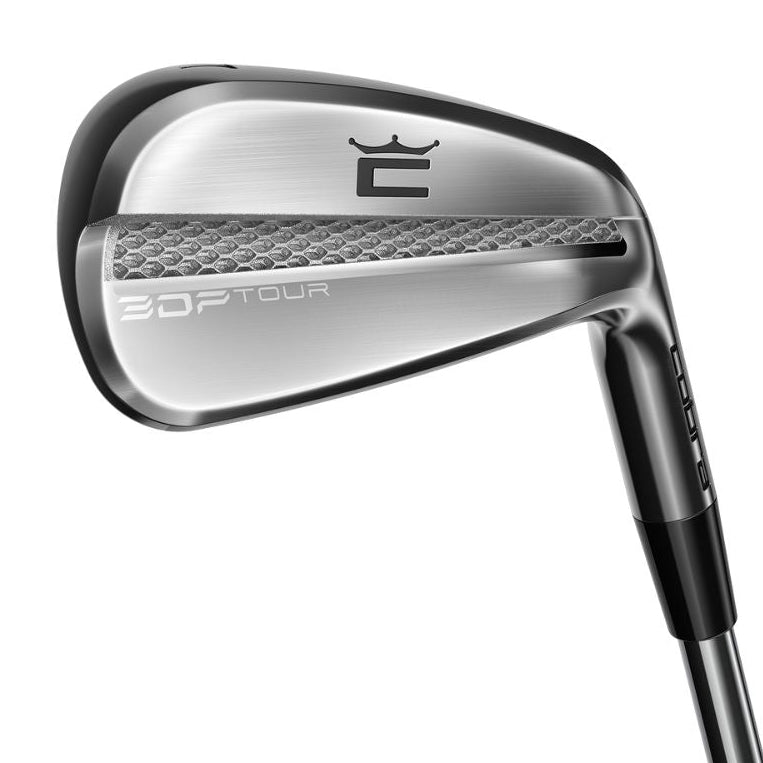
View Product
This was the wildcard of the whole trip and easily the most mind-blowing piece of technology I got my hands on. The first time I flushed one of these, my jaw dropped. It looked like a blade. It felt like a blade. And it forgave like something two or three categories bigger. Now I understand why Max Homa and Rickie Fowler have them in the bag.
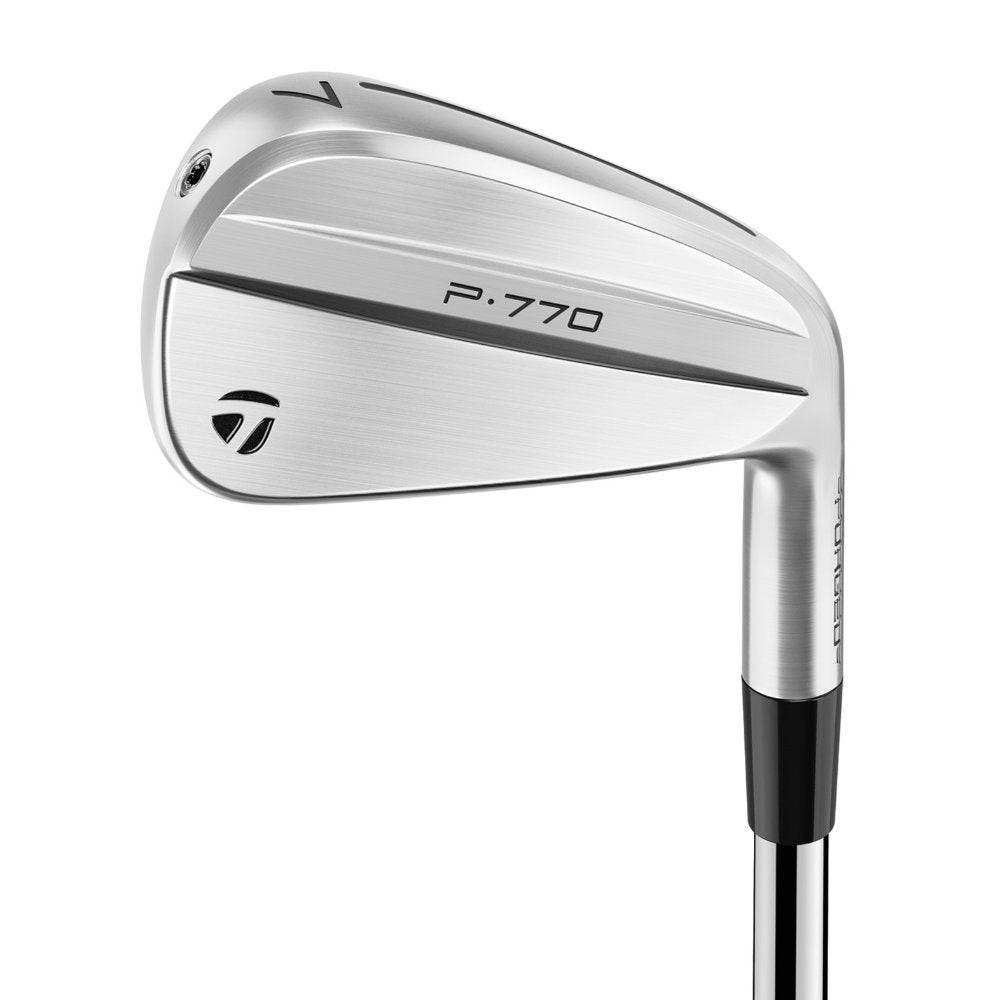
View Product
What I kept seeing on the monitor, shot after shot, was this incredibly tight north-to-south dispersion that none of the other irons could match. The distance wasn’t just good — it was consistent.
If there’s one lesson from this entire process, it’s this: try everything when you’re gearing up for a new set of irons. Don’t let a label talk you out of testing a club. The iron you swore you’d never play — simply because of how it’s classified — might be exactly what takes your scores lower.
Editor’s Note: Wadeh Maroun is the president of Fairway Jockey.
Ready to overhaul your bag in 2026 like our Fully Fit panelists? Find a club-fitting location near you at True Spec Golf.
The post I thought I knew what irons were for my game. I was wrong | Fully Fit 2026 appeared first on Golf.