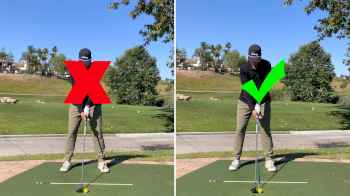
Shaft tipping — or trimming a shaft on the clubhead end before installing it — is a bit of an internet taboo.
Most of the time, the discussion centers around online forum users who tip their shafts because they feel like they’re supposed to, which is usually not the case. It’s also a standard on the PGA Tour, with guys like Gary Woodland and Neal Shipley tipping up to two inches on their drivers. If they tip on tour, then of course we’ve got to tip at home, right?
The answer: sort of. Tipping on its own is a hot topic because there’s lots of confusion as to what it actually does to the performance of a golf shaft. But that’s not what we’re talking about today; we’ll be testing performance in more detail soon. Today, I’m talking about times where every golfer should tip their golf shaft — and it’s actually recommended by the manufacturer. It all centers around head weight.
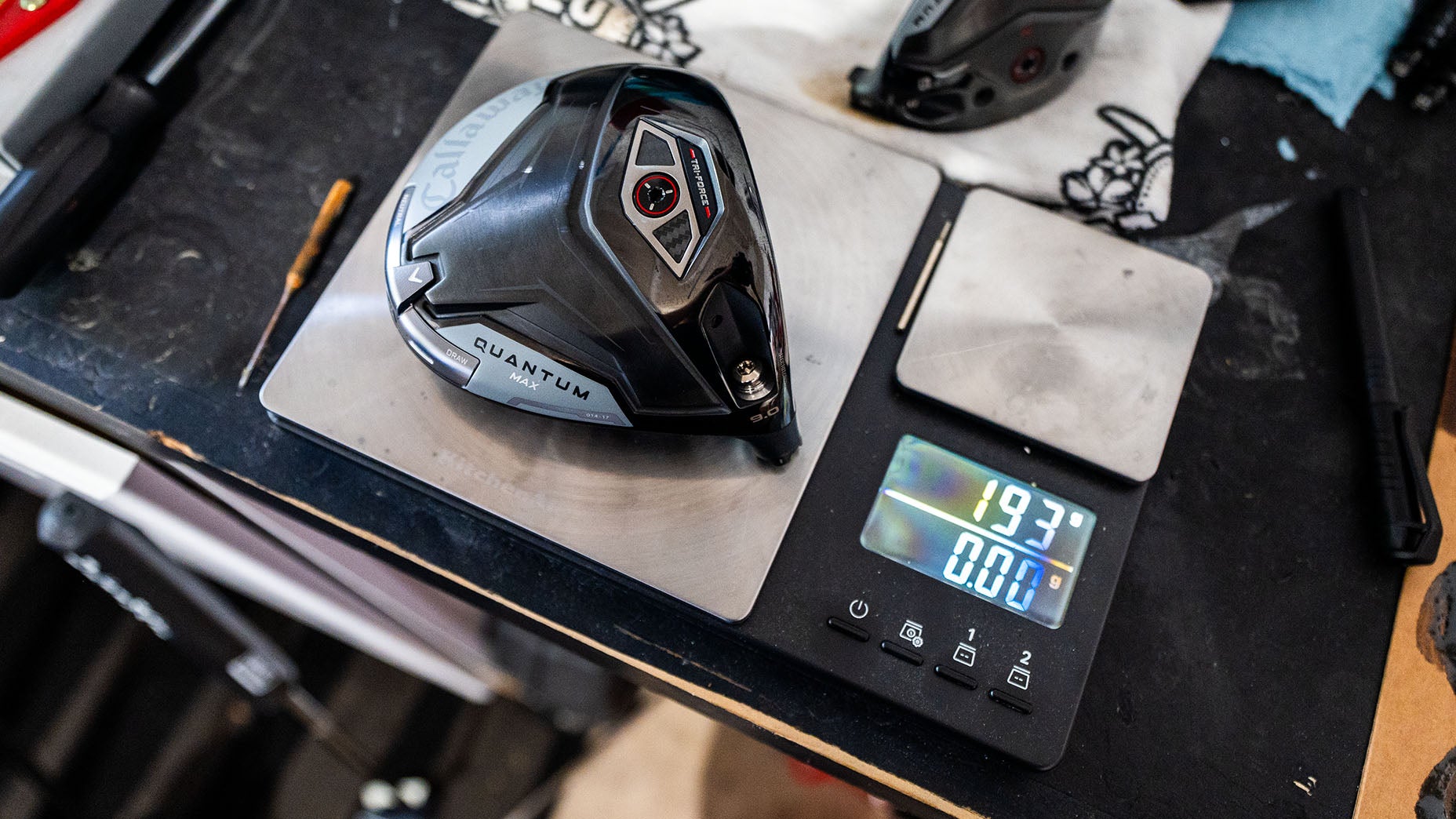
The way a golf shaft is measured and the way that it behaves when swung are all calculated using a standard driver head weight. When you build a golf club, the weight of the head is going to affect the profile of the golf shaft. When you add more head weight, the club is going to produce more droop and the shaft is going to bend more because of that additional weight. This changes the perceived feel and measured frequency (a way to measure flex) of the golf shaft. To combat that change in flex and feel, the manufacturer suggests tipping the shaft.
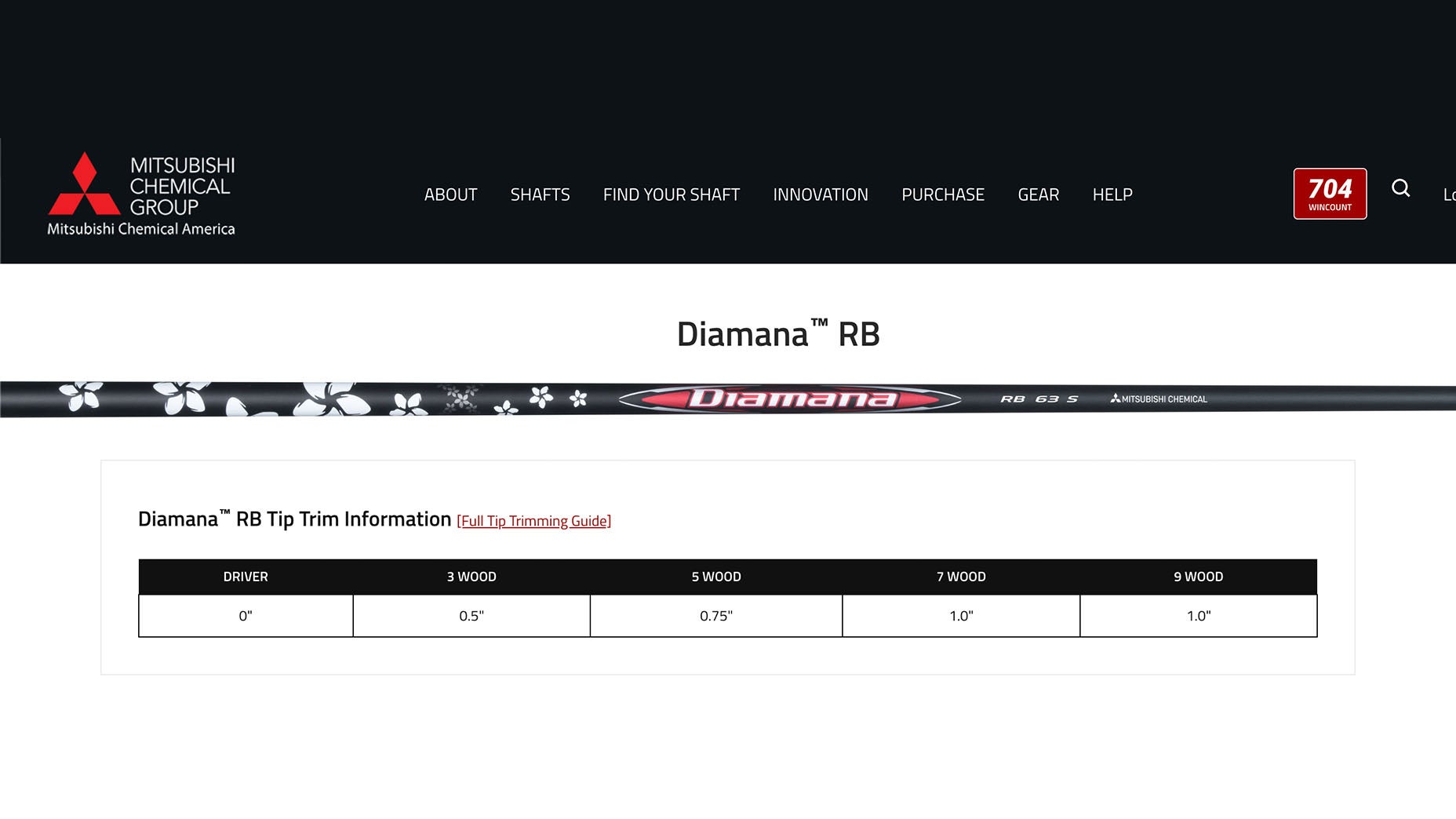
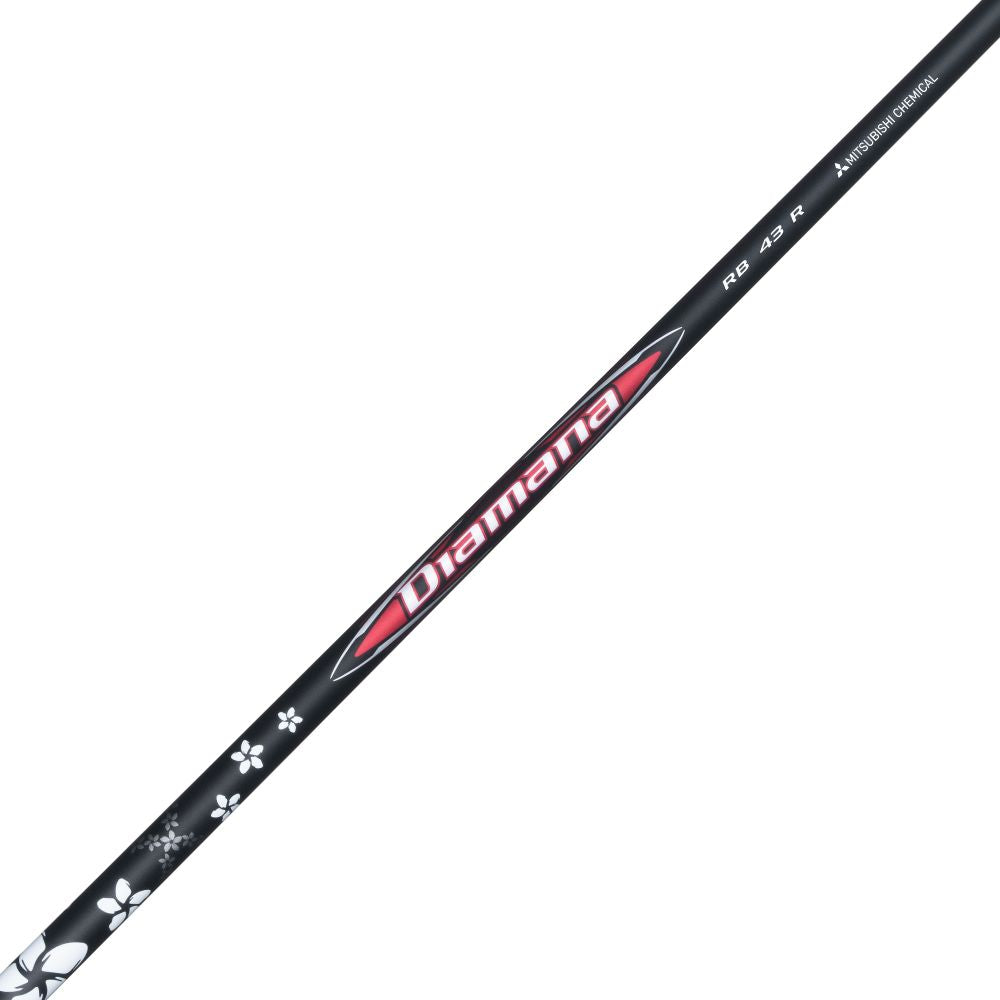
If you search for the golf shaft you’re building on the manufacturer’s website, in this case, a Mitsubishi Diamana RB, you can find the proper tipping instructions they recommend to properly build the golf club. In this case, if we’re building up a 5-wood for example, you would want to tip this shaft .75″ according to Mitsubishi’s recommendation.
There are a few things at play here.
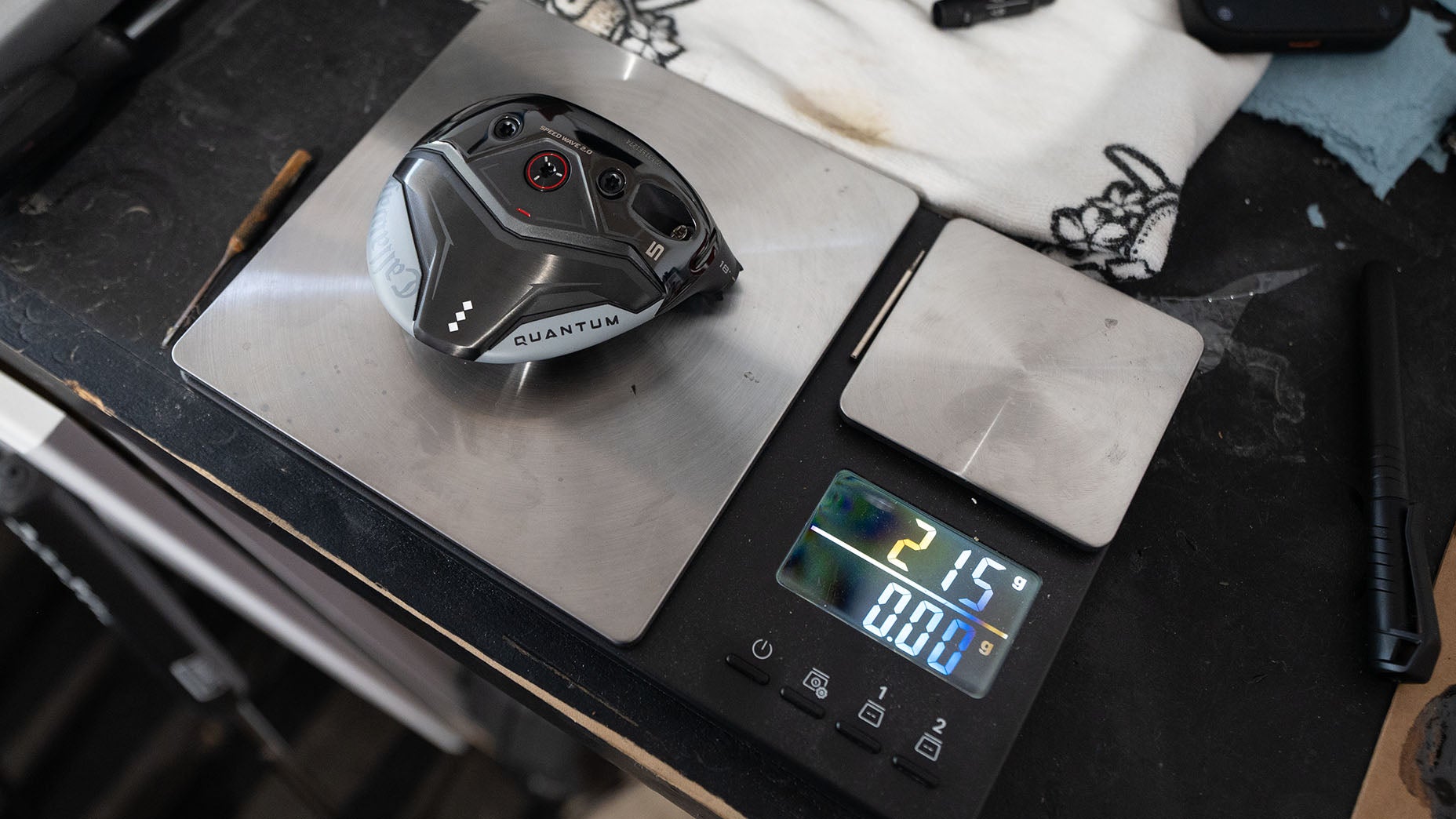
The first is the overall measured flex once the club is built, which impacts feel significantly. If you took your driver and added 20 grams of weight to the club head, you’d notice a pretty large different in feel. The shaft would be playing much softer, and would probably lose its ability to time up properly with your swing. That’s the equivalent of throwing on the 5-wood head. But by tipping the shaft, you’re removing a bit of weight from the material in the tip section, which often has the most material weight in the first place, and you’re moving the balance point and kick point of the shaft back to “where it was” in the driver build.
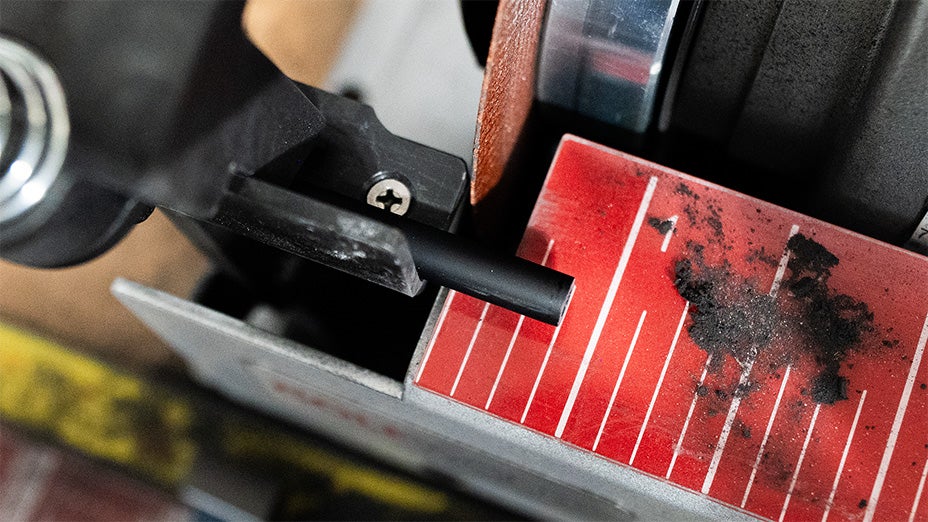
Moving the balance point and the kick point of the shaft to where it “should be” based on the design of the profile is really the key. By tipping the shaft, you’re making the shaft play more closely to the original frequency (flex) that the shaft would have been if it was installed into a driver build. You’re also keeping more of the handle section in play with the fairway wood build, which is a big component in making the shaft “feel” the same in the hands.
Always start with YOUR standard tipping. If you tip your driver 1.00″ then I would suggest you tip the shaft 1.00″ and then tip to suggestion from there. So in this case, the 5-wood would be tipped 1.75″ total rather than just .75″. I do want that to come with a warning though, because sometimes if you tip a shaft too much, you’re going to negatively affect the profile the same way you would by not tipping it enough, so make sure to have an authorized dealer or fitter, like my friends over at True Spec, help you out and make sure it’s built correctly for your performance needs.
View Product
The post Here’s why this manufacturer WANTS you to tip your golf shaft appeared first on Golf.