One of golf’s major OEMs is making a significant change to its business model, and it could have massive repercussions for the entire industry.
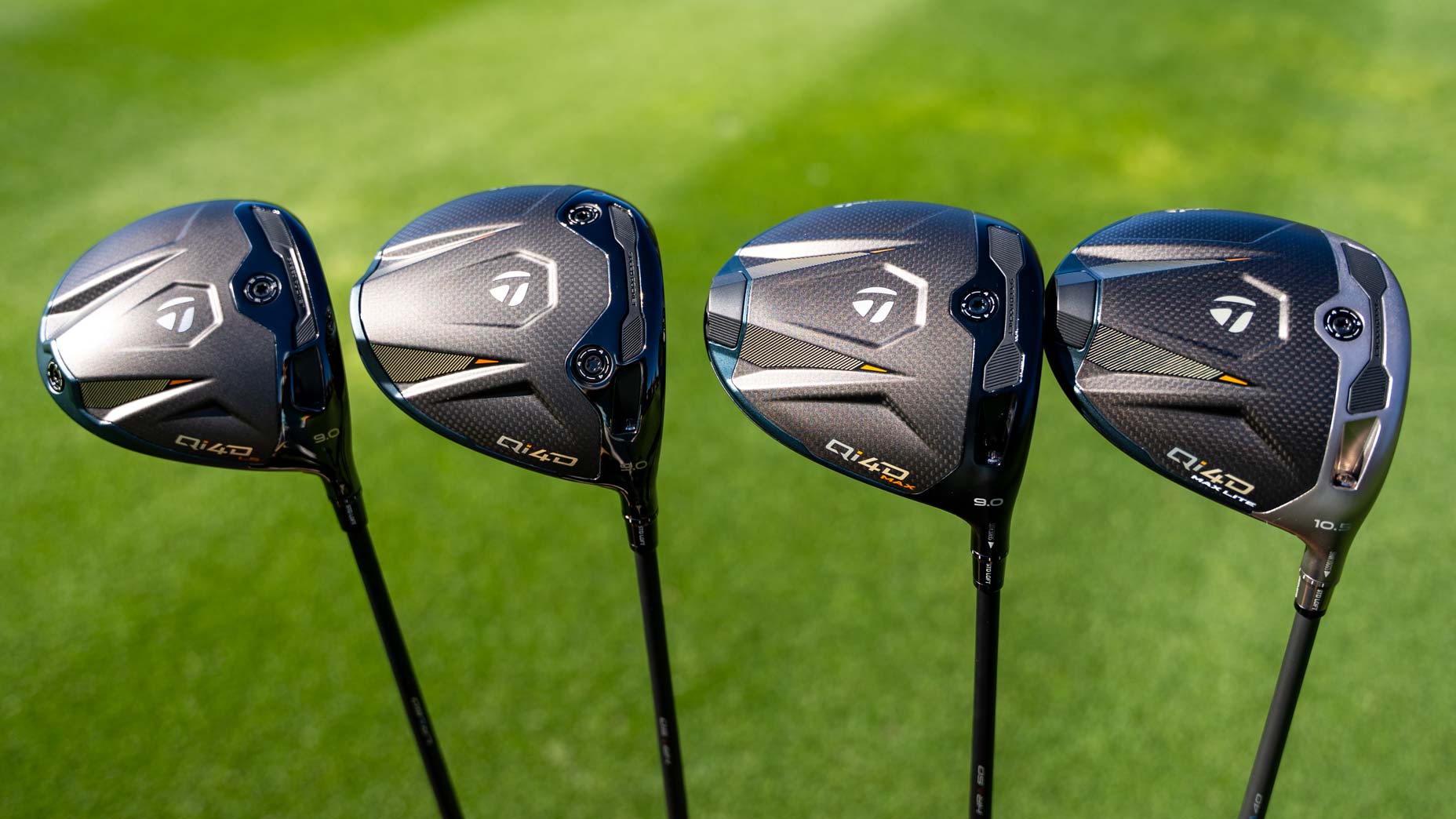
TaylorMade announced Friday its Qi4D driver and metalwood line will be extended for a two-year product cycle and the company will move to a two-year product release cadence for its metalwoods moving forward.
“We do think this world is changing,” Brian Bazzel, TaylorMade’s VP of product creation, told GOLF. “We want to change with it, and the experience of getting the right product in your hands and what that means to you as a golfer is really the core of this.”
With the move, TaylorMade becomes the fourth of the six-largest OEMs in the sport to move its metalwoods to a two-year product cycle, joining Ping, Srixon and Titleist. Callaway and Cobra plan on releasing drivers and fairway woods every year.
In an interview with GOLF ahead of Friday’s announcement, Bazzel pointed to four primary factors driving TaylorMade’s decision: the Qi4D’s hot start both in the marketplace and on professional tours, the increasing complexity and lead times of innovation cycles, fitter education and mastery of the product, and changing consumer behavior and trust.
It wasn’t long ago when TaylorMade released drivers more than once a year. That cadence proved unpopular with consumers, who were wary of buying anything knowing a newer or “better” product could be coming to retail at any moment. Recently, TaylorMade has been much more predictable with its yearly January product launches, but the consumer’s buying patterns have changed.
“People have launch monitors. They’re getting fit. They’re falling in love with what they got fit for,” Bazzel says. “They want to hold on to it a little bit longer, and that’s what the data’s suggesting.”
By moving to a two-year cycle, Bazzel says the consumer can rest assured when they make a purchase during a product launch year, that product is going to be the latest and greatest for a long time.
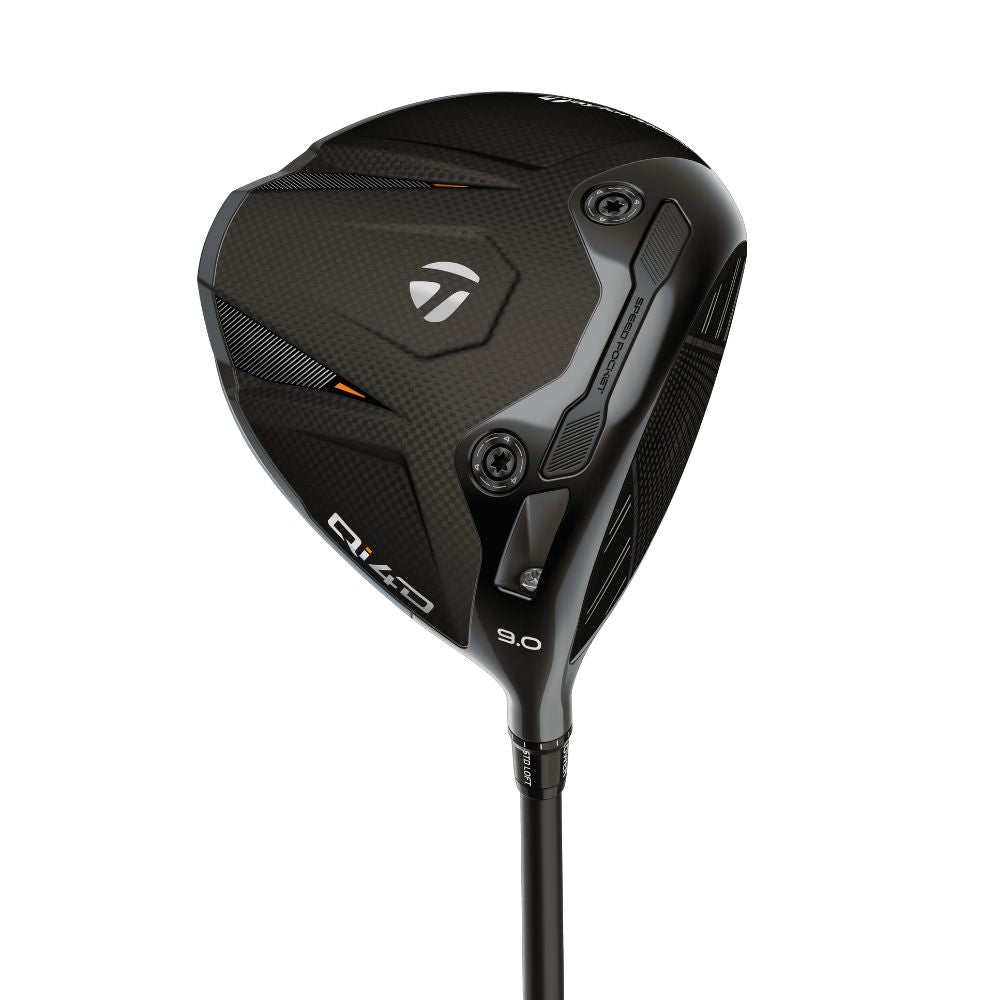
View Product
ALSO AVAILABLE AT: PGA TOUR Superstore, TaylorMade
“They’re forking out a lot of money for this product, and you want them to feel like we validated their purchase,” he says. “I even get a little bit nervous recommending the current product because I know a new one’s coming that’s a little bit better than the last one. That’s not right.”
Pros also aren’t seeking to upgrade as often anymore. Thanks to advances in fitting, Bazzel says TaylorMade is seeing more players want to hang onto their drivers longer because they build trust with the club (like World No. 1 Scottie Scheffler, for example, who still plays a Qi10 driver from 2024). That also helps build trust with the brand, since pros won’t be asked to upgrade to the newest models every season.
“If we continue to push the narrative and continue to show just these little jumps, it starts to break down between the story we’re telling and the experience the golfer has,” Bazzel says. “For those who stay on an annual cadence, I think you’re ultimately going to lose trust with the golfer.”
As drivers continue to innovate by getting faster and more forgiving, finding that next innovation frontier is getting harder and taking longer. TaylorMade is already well down the road on what would have been its 2027 product, as well as 2028.
Bazzel says TaylorMade internally introduces new products 2 1/2 years before they actually launch. Then they spend time preparing for the product and selling it at full price for nine months before it’s time to ramp up for the next product.
“That doesn’t seem right,” he says.
A few years ago, that wasn’t as big a deal, as technology was improving rapidly enough to create meaningful performance gains every year. Drivers still get better each year, but more work goes into a smaller incremental gain. Now there’s breathing room between releases.
“I’d be lying to say there isn’t a little bit of a pressure release there,” Bazzel says.
But this isn’t exactly TaylorMade taking its foot off the gas pedal, as Bazzel thinks the two-year cycle will allow the team to try more things.
“Getting on this longer cycle should allow us, and the intent is, to come up with bigger leaps in innovation,” he says. “We can slow down to go faster.”
Fittings have become more of a focus in TaylorMade’s strategy, so too has training fitters on the new product. Product education has never been more important than it is with a driver like the Qi4D, which has 128 setting combinations with the stock weights and loft sleeve.
Then there’s the time it takes fitters, especially fitters on the PGA Tour, to actually learn how each part performs and how to fit golfers in real-world situations.
TaylorMade’s Qi4D driver bet: Distance comes from the best fit
“It’s one thing to explain your technology. It’s another thing for fitters today to get comfortable with the product they have to ensure they get the right one for golfers,” Bazzel says. “Even our best fitters in the world, like our tour reps, it takes them a couple months with players to really get a feel for it.”
Now those fitters will have more time to fit players after they’ve mastered the product, meaning more players are going to truly maximize the driver.
This isn’t a decision TaylorMade arrived at overnight. It’s something Bazzel says had been discussed for a long time and the company knew was coming at some point. Although if you had asked him when this was going to happen at the beginning of the year, he might have said 2027.
“The data is what the data is. If you’re really paying attention to what’s happening, you’ve got to consider doing it now,” he says. “The Qi4D getting off to a great start 100 percent accelerated our ability to feel comfortable to kind of make that decision now as opposed to waiting a year.”
Buoyed by strong adoption by TaylorMade pros Rory McIlroy, Tommy Fleetwood, Collin Morikawa, Nelly Korda and many non-staffers, the Qi4D has been TaylorMade’s best-selling driver in years. And in the first four months of 2026, the Qi4D drivers are the No. 1-selling driver family on Fairway Jockey. Bazzel says their data shows the Qi4D as the top driver in the global marketplace.
My take: A long time coming
Golf gear has never been in a better spot, but that also means any performance gains are getting smaller as things get closer and closer to maxing out. TaylorMade realized, especially with the success of the Qi4D, there’s little reason to come out with a driver that’s marginally better when it can instead spend an extra year focusing on the next cycle.
It also makes switching to the latest gear much easier on TaylorMade staffers on tour. Pros prioritize the comfort they’ve developed with a club over a marginal performance gain. A two-year cycle gives TaylorMade an opportunity to not just build something that’s better — but to create something significantly better.
Lastly, with TaylorMade moving to the multi-year cadence, that leaves just Callaway and Cobra as the industry’s lone single-year release cycles. Will it stay this way for long? We’ll have to wait and find out.
Want to find the best driver for your game in 2026? Find a club-fitting location near you at True Spec Golf.
The post TaylorMade extends Qi4D driver lifespan, moves to 2-year product cycle appeared first on Golf.