With Vokey’s latest wedges, there’s one less variable to worry about when trying to find the best grind for your game.
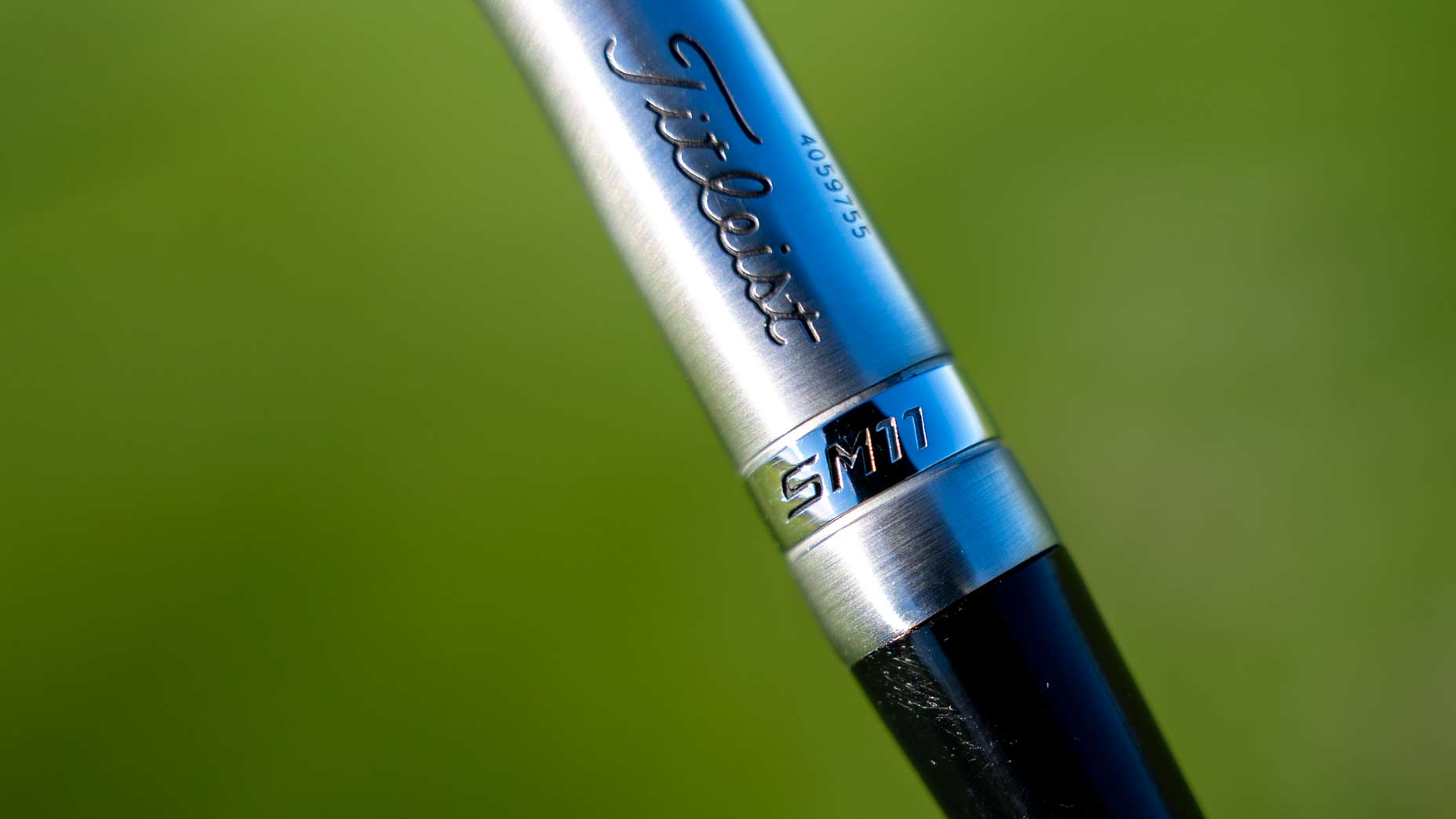
Titleist Vokey Design’s new SM11 wedges feature a new precise CG position across each grind in a loft, meaning every wedge will now perform the same way with the same strike.
“With SM11, all the CGs within a loft are now at the same exact point,” Kevin Tassistro, Titleist R&D’s Director of Wedge Development, said. “So when golfers get fit into the right grind — whichever grind that is — and they’re finding grooves two through five [with their strike], the ball will meet the CG in the correct spot.”
In addition to the CG positioning within each loft, SM11 wedges also feature a progressive CG position between lofts, progressive groove widths and volumes and a new directional face texture to increase friction.
Keep reading below for more on the Titleist Vokey SM11 Wedges, including my take on the release.
On the PGA Tour, the Vokey low-bounce T-Grind reigns supreme as the most popular grind option for Vokey. So during development for the SM11 wedges, the Vokey team took a look to see if there was any secret sauce with that grind compared to others.
They made an important discovery: The T-Grind had a center of gravity just slightly higher than the other grinds.
“We found out that from the contact point on the face, grooves two through five, the T has the highest CG relative to that point,” Tassistro told GOLF. “So we said, well, if we make all the CGs in the same spot as the T, now it’s really about getting fit for the grind.”
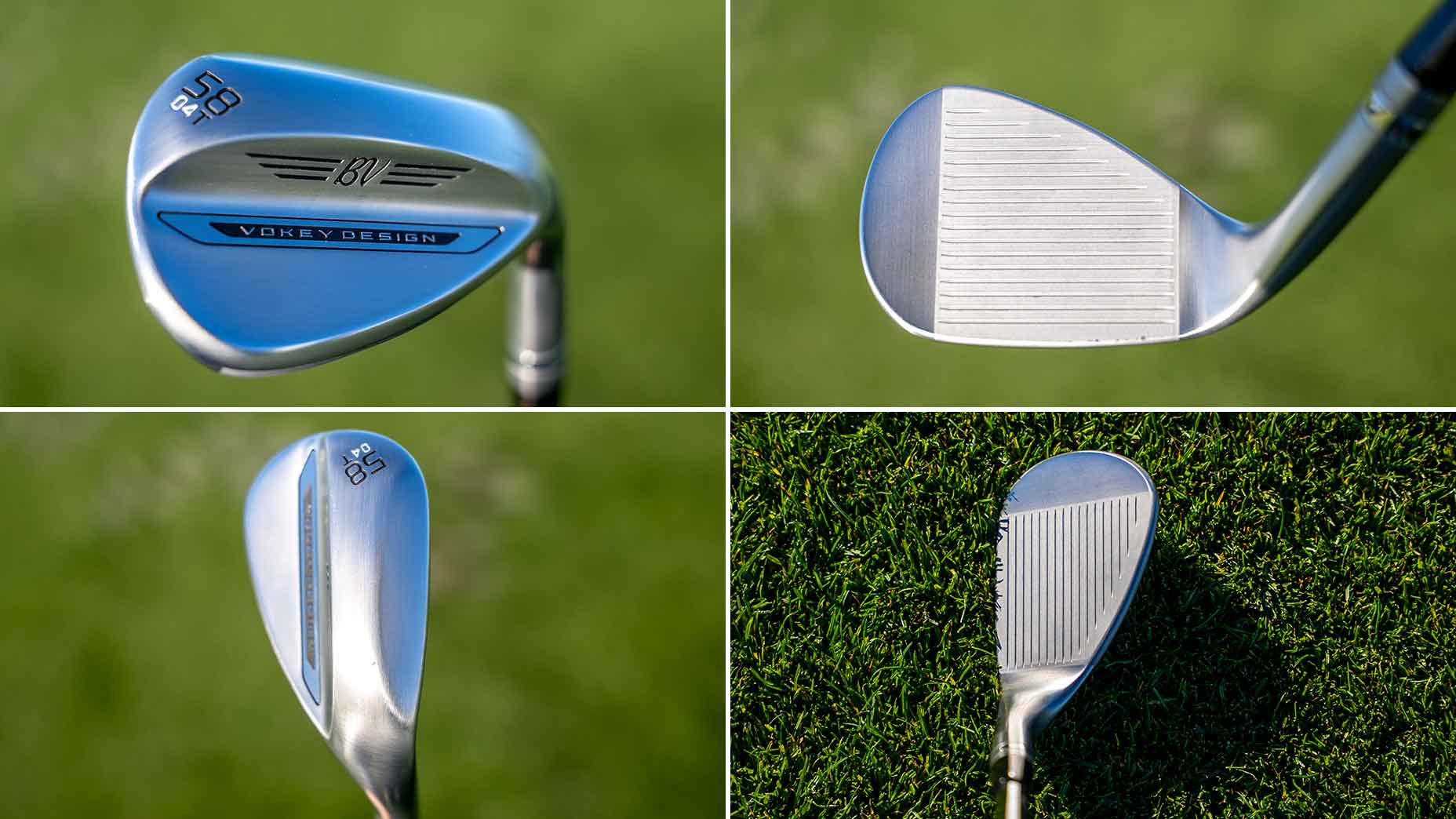
The difference was very small, but the higher the CG relative to the strike point, the easier it is for players launch wedge shots low with lots of spin.
Through subtle manipulations of hosel length, topline geometry and sole geometry, Vokey was able to engineer the rest of the SM11 grinds to have the same CG location as the T-Grind. This means players with a different grind than the T in their lob wedge will now get the same CG advantage the T had previously, making it easier to flight their wedges and increase spin.
“If they all perform the same, now we can isolate fitting for just the grind, not having to worry, ‘Well, this one launches a bit higher,’” Tassistro said.
But don’t expect that to impact the T-Grind’s dominance on the PGA Tour.
“I don’t,” Vokey Tour Rep Aaron Dill told GOLF when asked if he expected any grind change from T-Grind players because of the CG changes. “I think the T-grind is a dominant model due to its versatility and looks on the ground. Players feel like they can do more.”
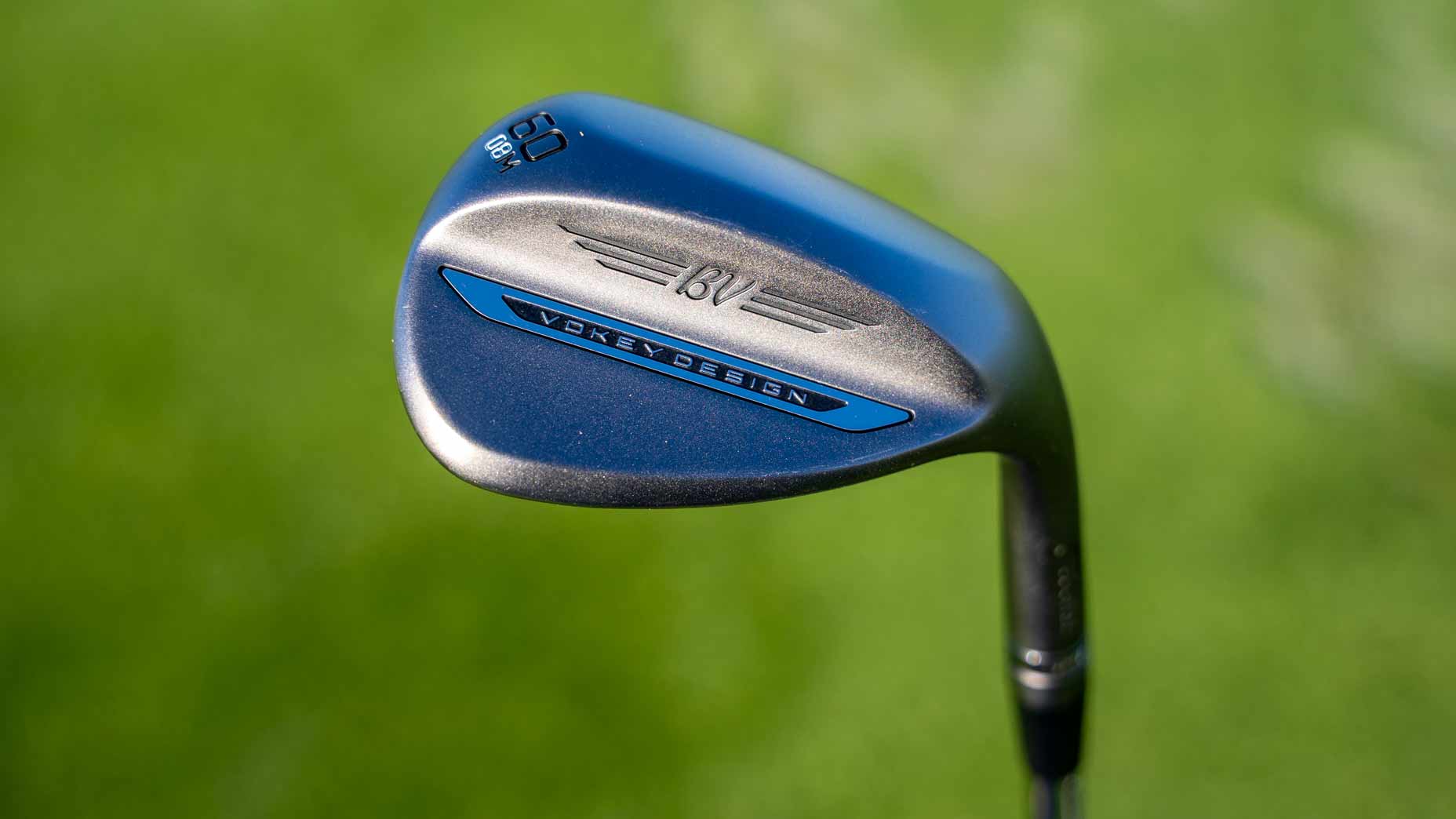
While the CG is now uniform across all grinds within a loft, it will vary from loft to loft.
For SM11 pitching and gap wedges (44-52), the CG is lowest and placed closest to the center of the face to better match the player’s irons and eliminate draw bias.
In lob wedges (58-60), it’s higher and more heelward, which helps flight the ball down and make the clubface appear squarer. Sand wedges (54-56) have a CG in the middle.
With the grooves on the new lineup, which have 5% more volume than SM10 to better clear debris and retain spin in wet conditions or deep rough, the same concept applies.
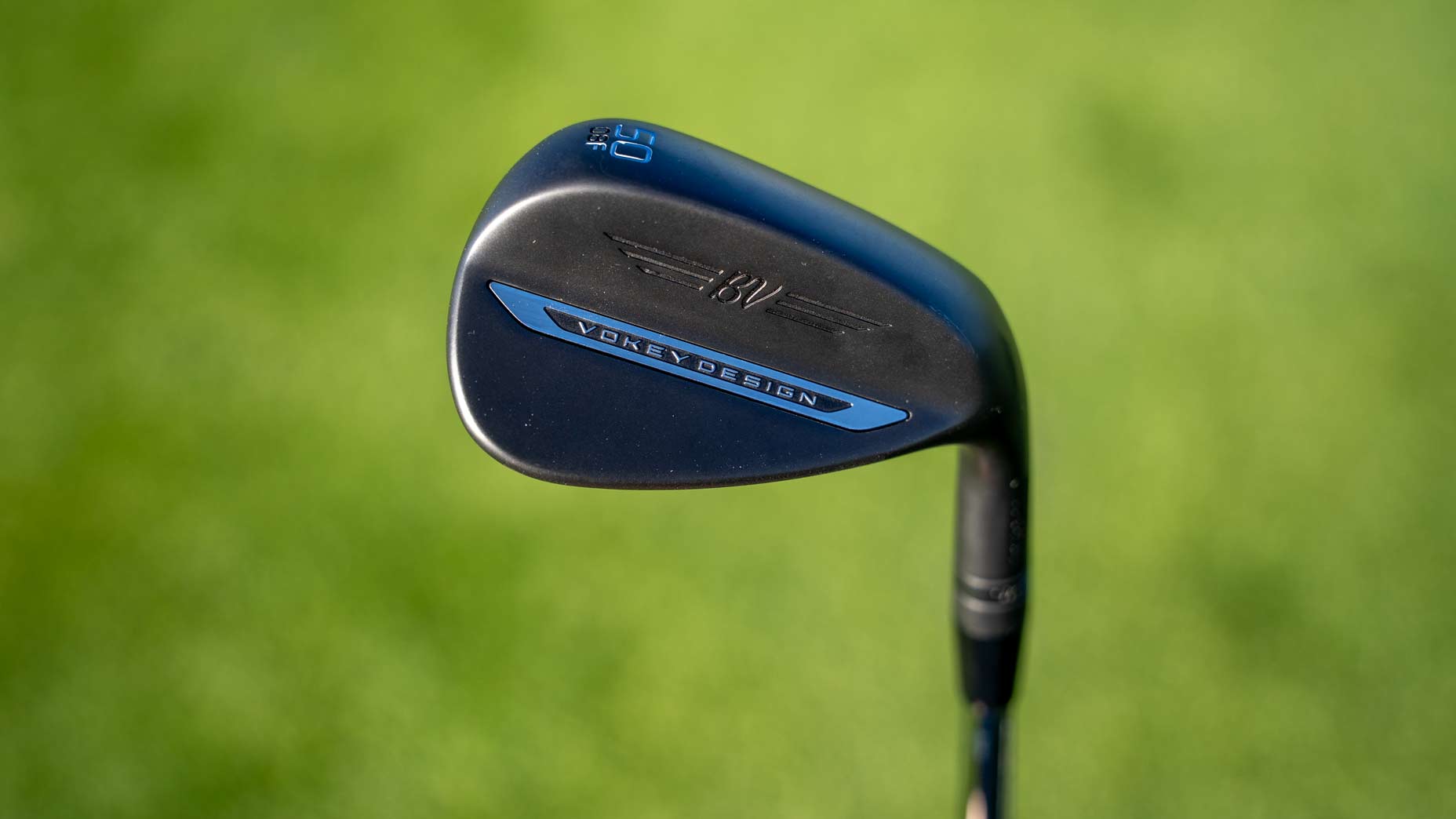
Lob wedges have wider and shallower grooves to channel debris better on partial shots, while pitching and gap wedges are narrower and deeper to grab the ball better on full swings.
SM11 wedges also have a new directional face texture, which is angled toward the leading edge of the club. The texture functions like razor blades to increase friction and keep the ball on the face longer, preventing those shots that ride up the face and come off with less spin.
The goal of the new face texture was not necessarily to create more spin, but create consistent high spin.
“We’re always looking at ways to make spend, sometimes not just about maximum spin, it’s about consistency of spin,” Tassistro said. “Just tilting them towards the leading edge allows it, just allows the ball just to stop for a split 2nd to allow grooves to impart that spin.”
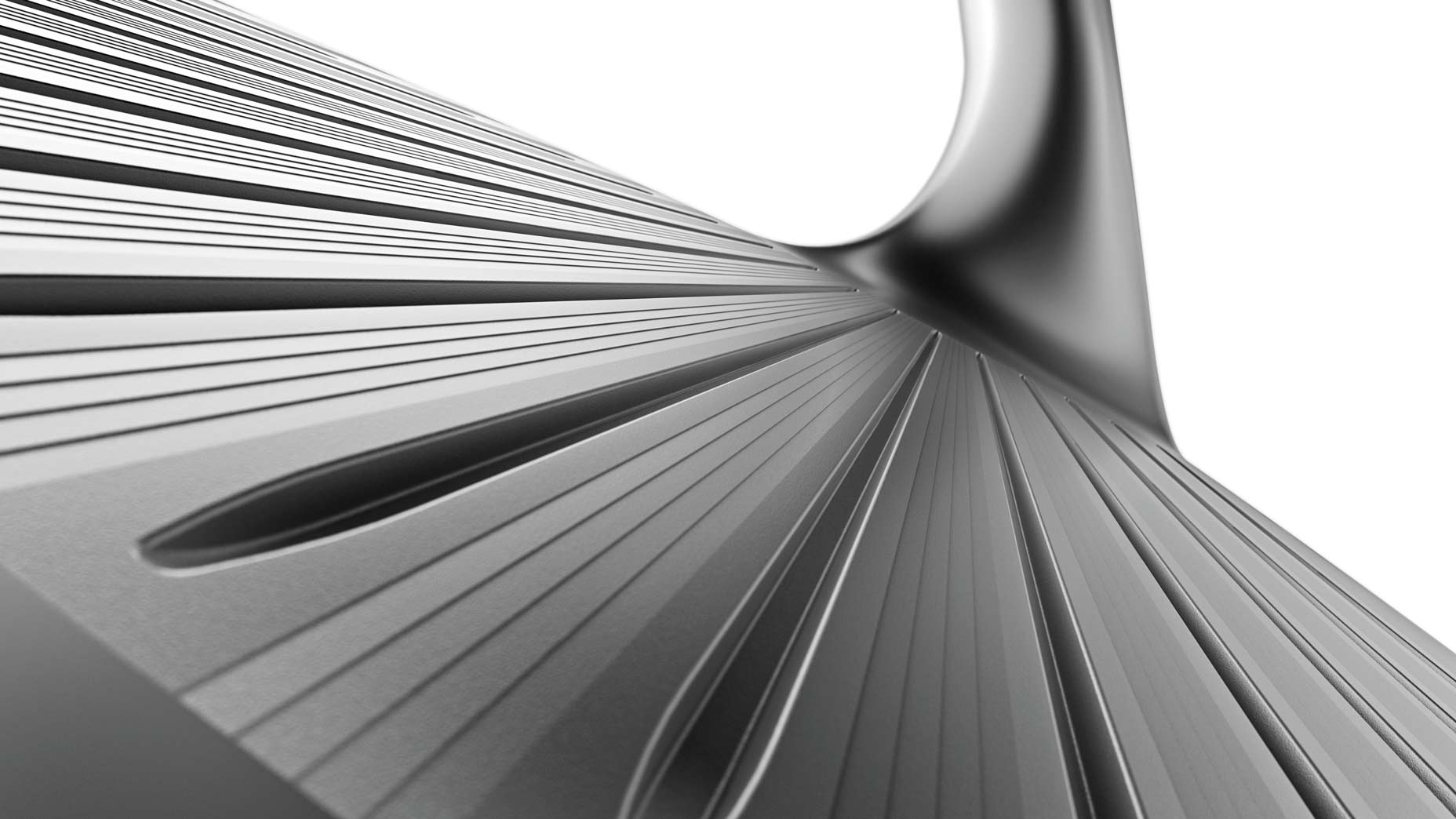
The SM11 lineup continues to feature an industry-leading 27 loft/grind combinations.

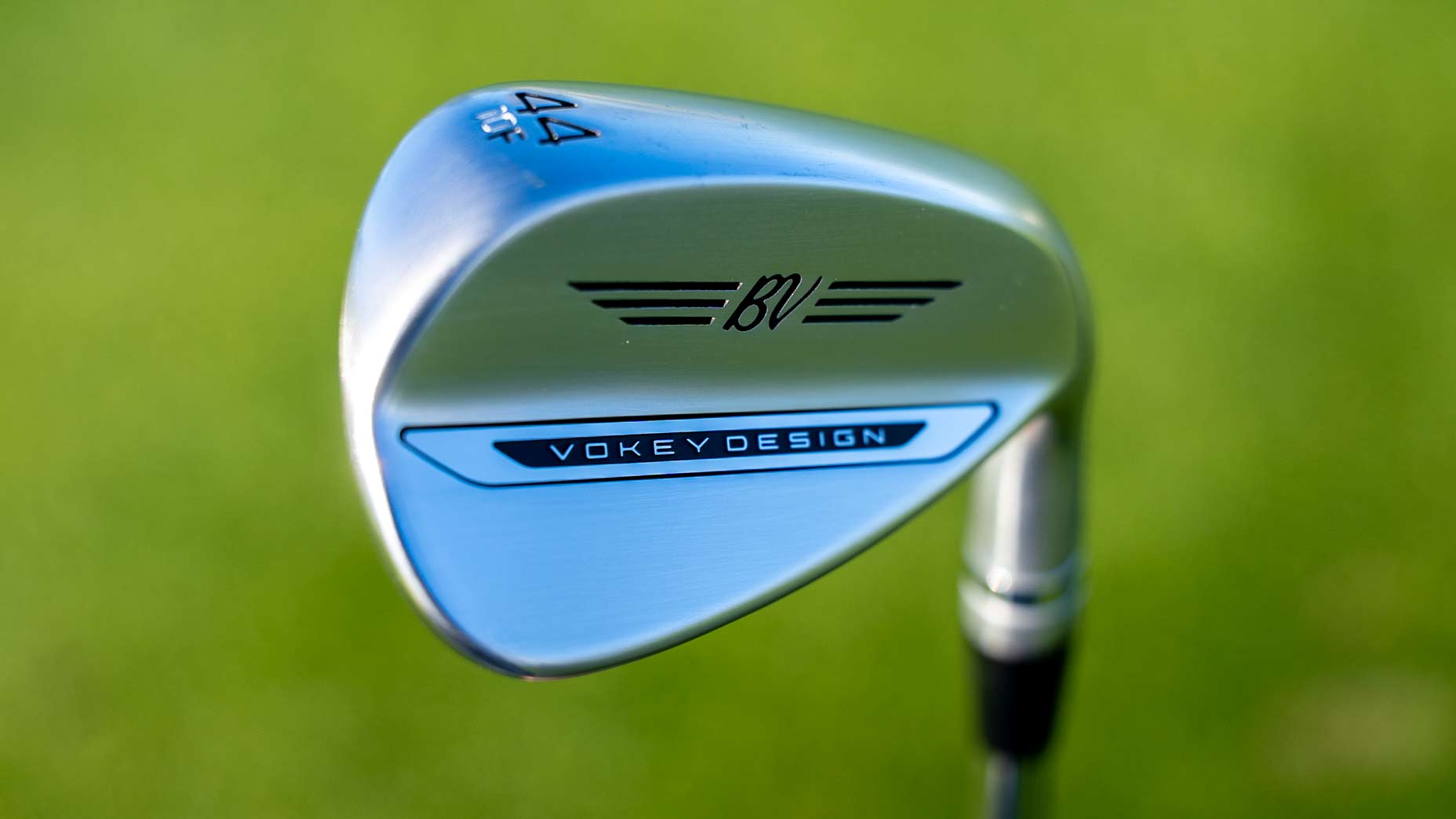
What is it: A full-soled full swing grind best for square-faced shots and offered in pitching, gap and sand wedges. New this year, the 44.10F, a stronger lofted pitching wedge to match modern players’ distance and game-improvement iron lofts, is an in-line option after being introduced as a WedgeWorks exclusive last year. The F-grind is the only option for Vokey pitching and gap wedges, while the .14F sand wedges are the most popular sand wedge on the PGA Tour.
Available lofts: 44.10F, 46.10F, 48.10F, 50.08F, 50.12F, 52.08F, 52.12F, 54.14F, 56.14F
Who it’s for: Great for players playing square-faced shots around the greens and, in the sand wedge, those who want a super forgiving bunker club without a super wide sole.
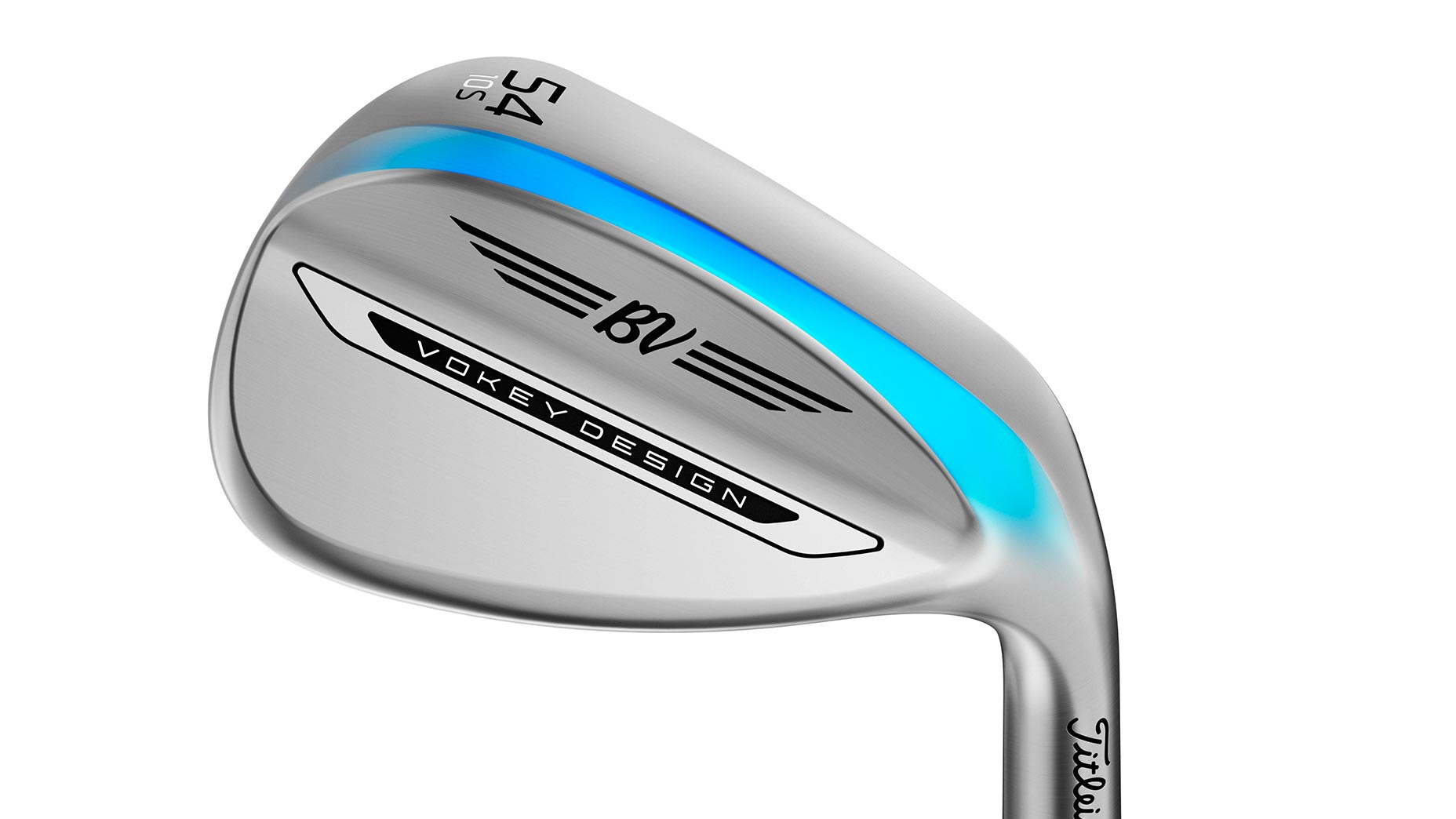
What is it: A full sole grind with a trail relief for added versatility.
Available lofts: 54.10S, 56.10S, 58.10S, 60.10S
Who it’s for: Great for players who want versatility and play from a more neutral shaft position.
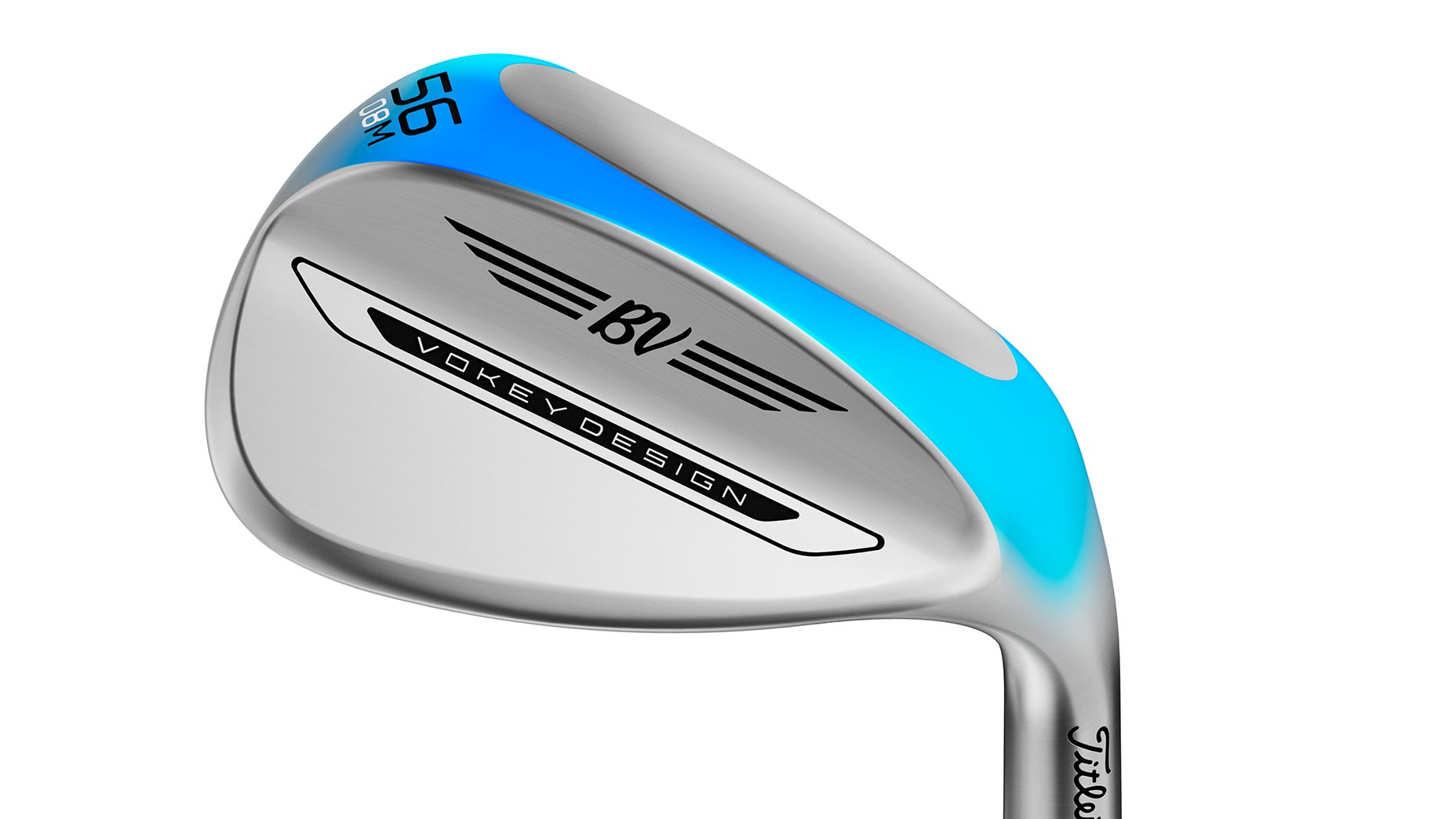
What is it: A versatile grind with lots of heel, toe, and trail edge relief.
Available lofts: 54.08M, 56.08M, 58.08M, 60.08M
Who it’s for: The M-Grind is great for players who like to manipulate the face around the greens and are more shallow through impact.
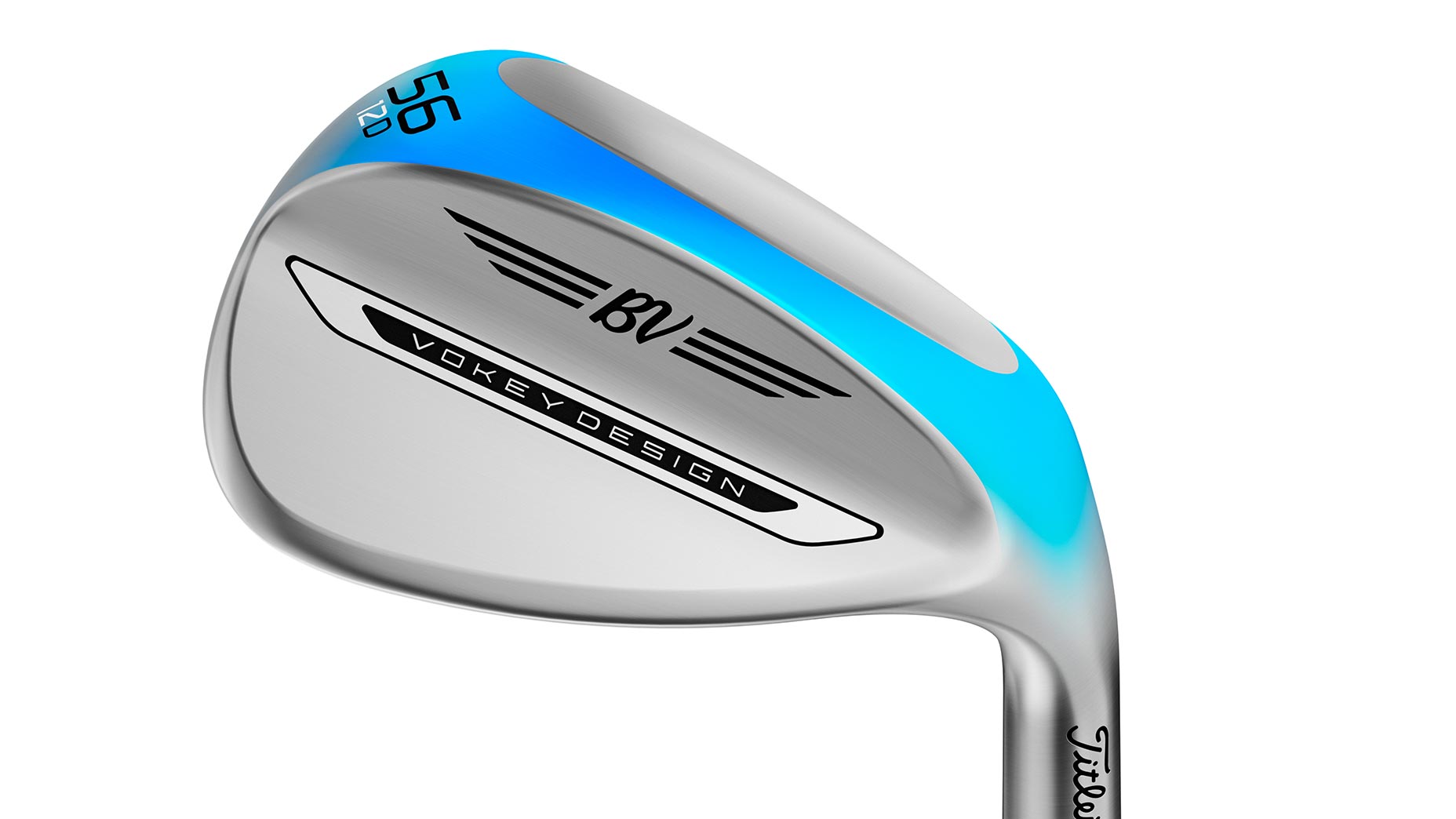
What is it: A higher-bounce version of the M-grind for extra forgiveness with lots of heel, toe and trail edge relief.
Available lofts: 54.12D, 56.12D, 58.12D, 60.12D
Who it’s for: A great option for steeper players or those who have lots of shaft lean who play from several different face positions around the green.
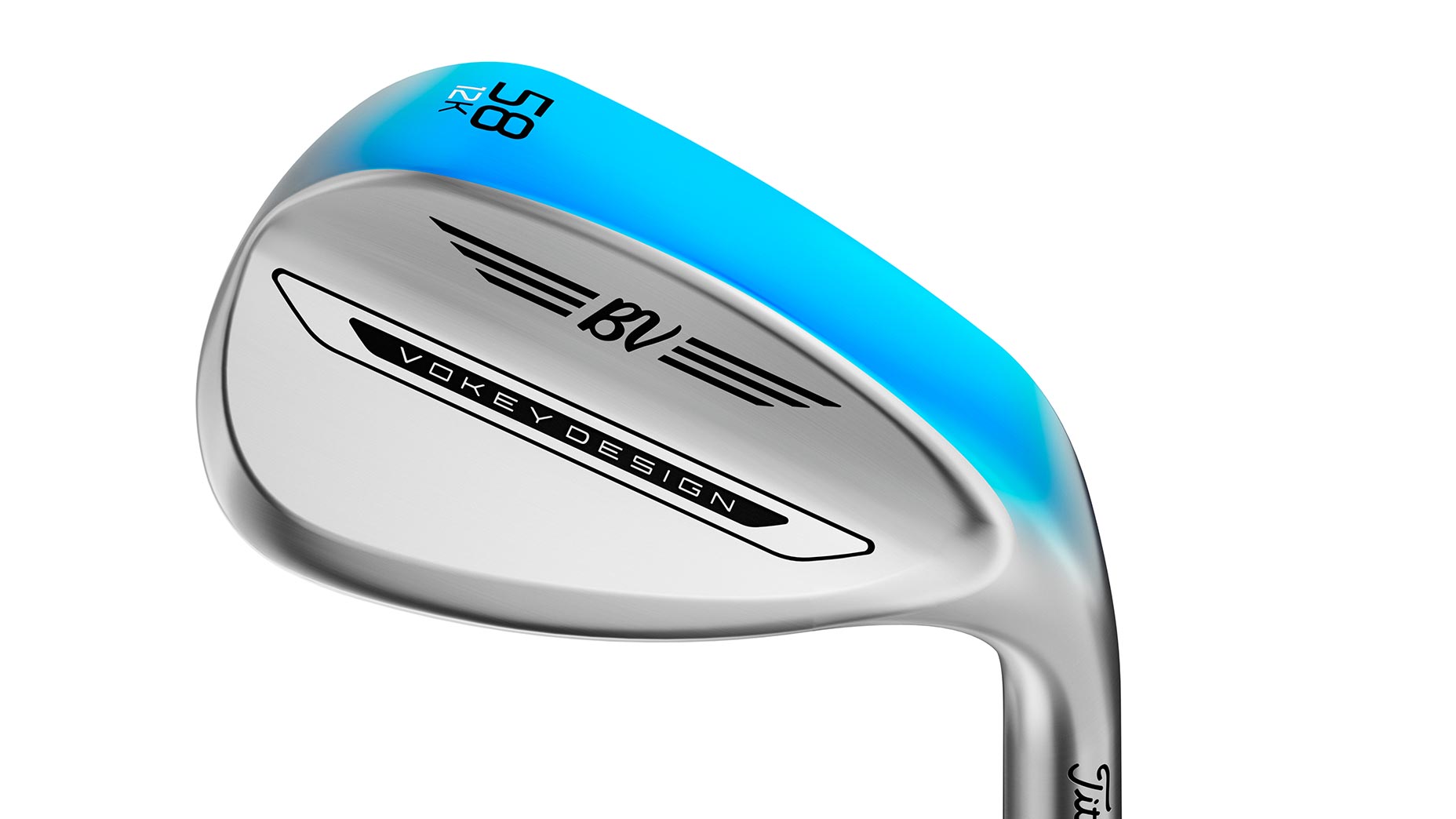
What is it: Available in both a low-bounce .06K version and a higher-bounce .12K, the K-grind is the widest sole option in the lineup, with full grind and enhanced camber. The wide sole makes the K-Grind “the ultimate bunker club.” New with SM11, the high-bounce K has been reduced to 12 degrees of bounce from 14˚ to give it more versatility.
Available lofts: 58.06K, 58.12K, 60.06K, 60.12K,
Who it’s for: The low-bounce K is an excellent option for shallow players who want forgiveness on tight lies and out of the bunkers. The high-bounce K is excellent for players who struggle out of the bunkers or play in softer conditions.
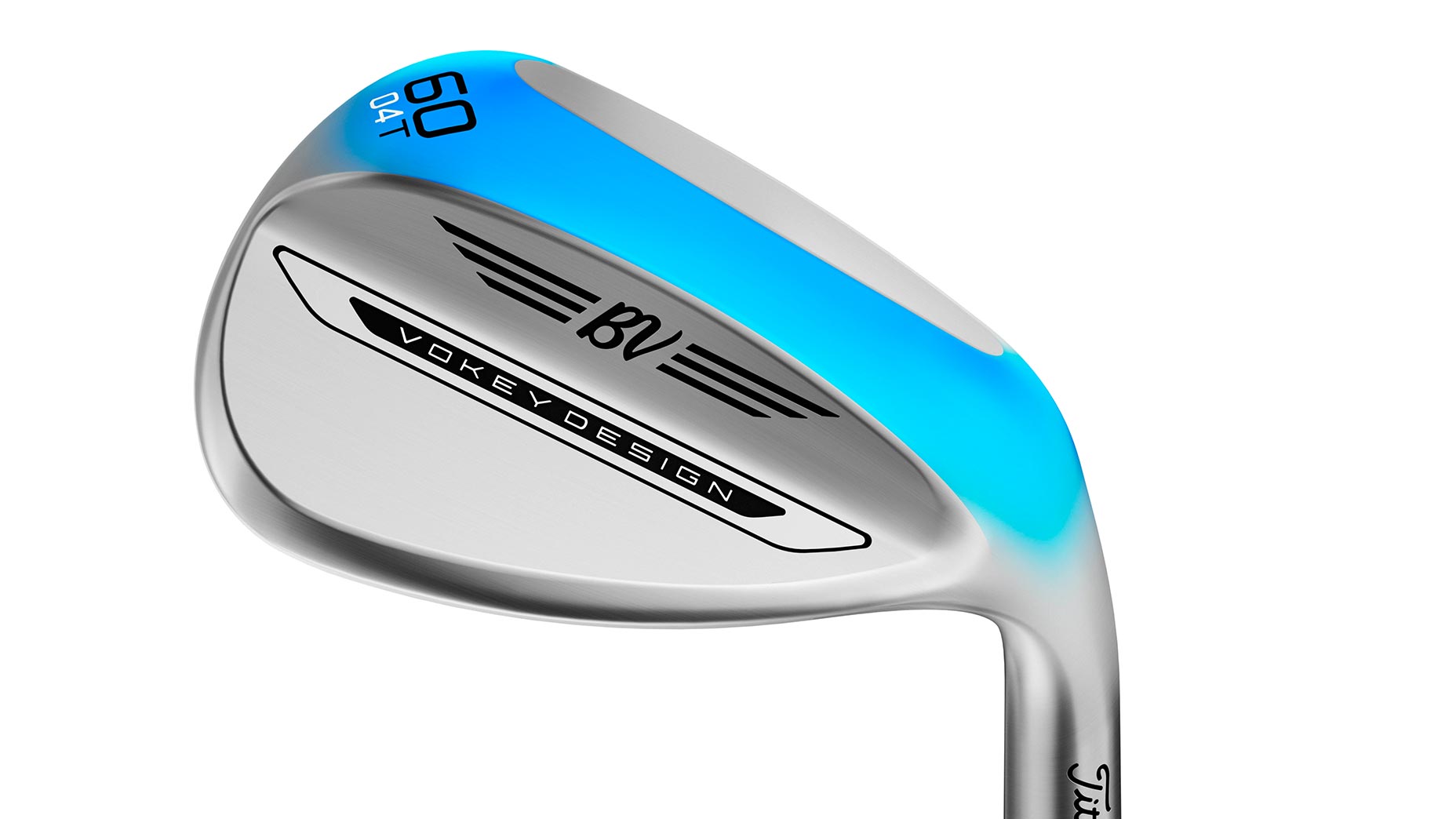
What is it: The most popular lob wedge on the PGA Tour, the T-Grind is the narrowest sole option in the lineup, with maximum heel, toe and trail edge relief.
Available lofts: 58.04T, 60.04T
Who it’s for: Elite shotmakers who demand extreme versatility and play with lots of speed on the green.
Vokey wedges already dominate professional golf and the retail space, with the four Vokey SM10 finish options being the four best-selling wedges on Fairway Jockey in 2025.
For SM11, Vokey didn’t really have to reinvent the wheel at all, so they looked within their own lineup and tried to figure out if there was any secret sauce to the T-Grind that made it more dominant. Turns out there was a little edge.
This CG change isn’t going to make a bunch of T-Grind players look at other options, like Dill said. But what it will do is give players of other grinds (like this writer and, honestly, most people who don’t have PGA Tour-level hands) that same CG advantage the T-Grind had.
For most Vokey players, the new SM11 wedges are going to be plug-and-play. During my fitting with TPI fitter Louis Raynard, we kept my first three wedges the same, but switched to a more neutral M-Grind in my lob wedge than my previous V-Grind.
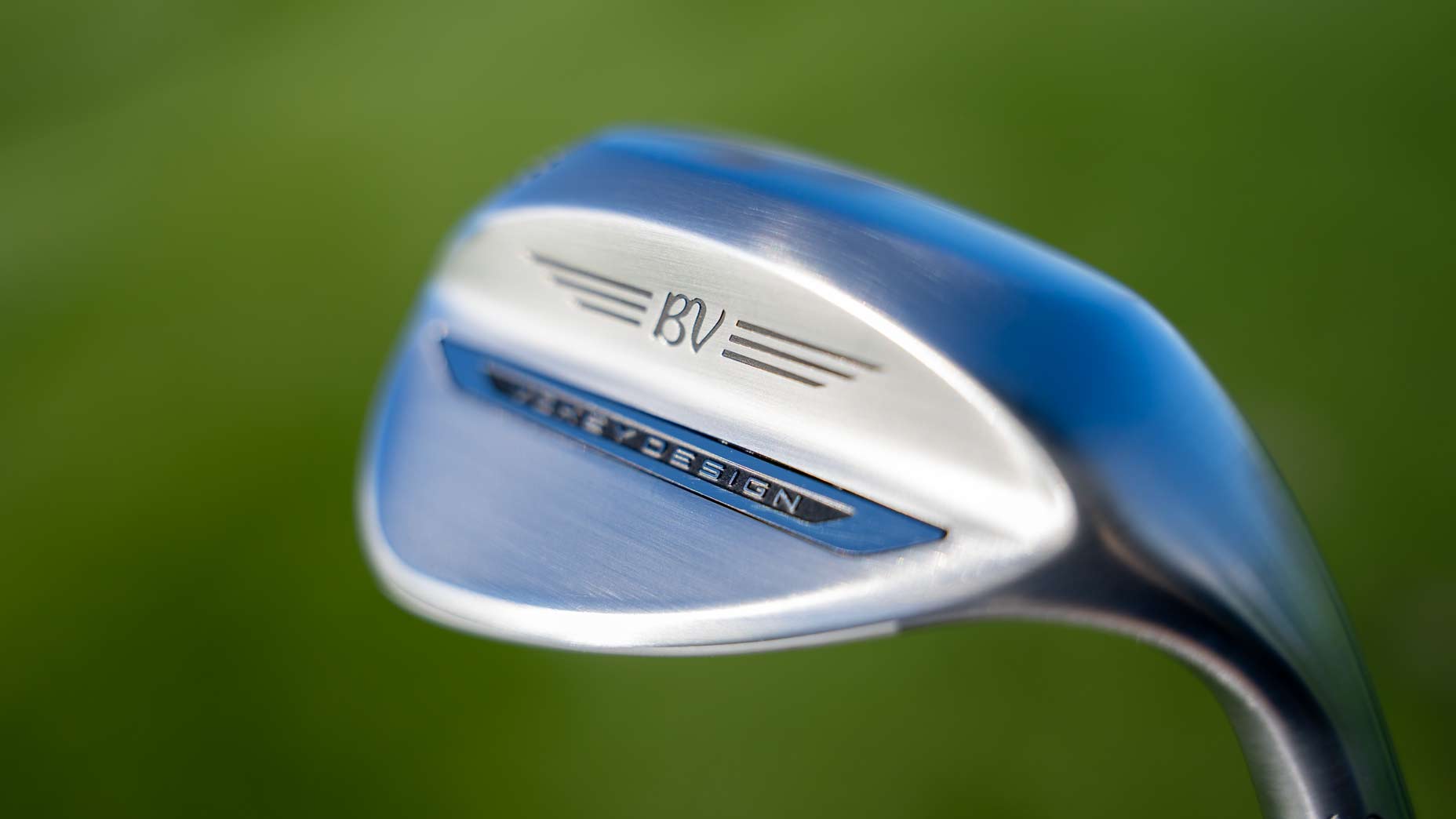

At first, I didn’t accept the change because it didn’t seem right to me, but once I did, I saw immediate benefits with lower launch and higher because I had a cleaner strike than before AND was getting the CG benefit. I’ll have all the shots I had previously, but now with a low skipper shot I wasn’t very good at before.
Even when I was trying shots with a D-Grind before my fitting, I found these wedges spin a ton and do it consistently, too.
Overall, SM11 is going to be a great upgrade from the previous generation in the category that players replace most often.
Titleist’s new Vokey SM11 wedges are available for pre-order starting Jan. 22 and will arrive at retail locations on Feb. 20.
The edges are available in three finishes: Tour Chrome, a new Jet Black, Nickel and Raw. The Jet Black finish was redone this year with increased luster from the same FPP treatment as the Nickel finish.
Each wedge will cost $199 for steel shafts, $209 for graphite shafts and $229 for the raw finish.
The full loft and grind offerings are below:
Want to find the best wedges for your game in 2026? Find a club-fitting location near you at True Spec Golf.
The post How the PGA Tour’s favorite grind shaped Titleist’s Vokey SM11 wedges appeared first on Golf.