Golf Channel has a new logo.
What’s interesting about the new logo is that it’s nearly identical to the network’s old logo.
That tells part of the story.
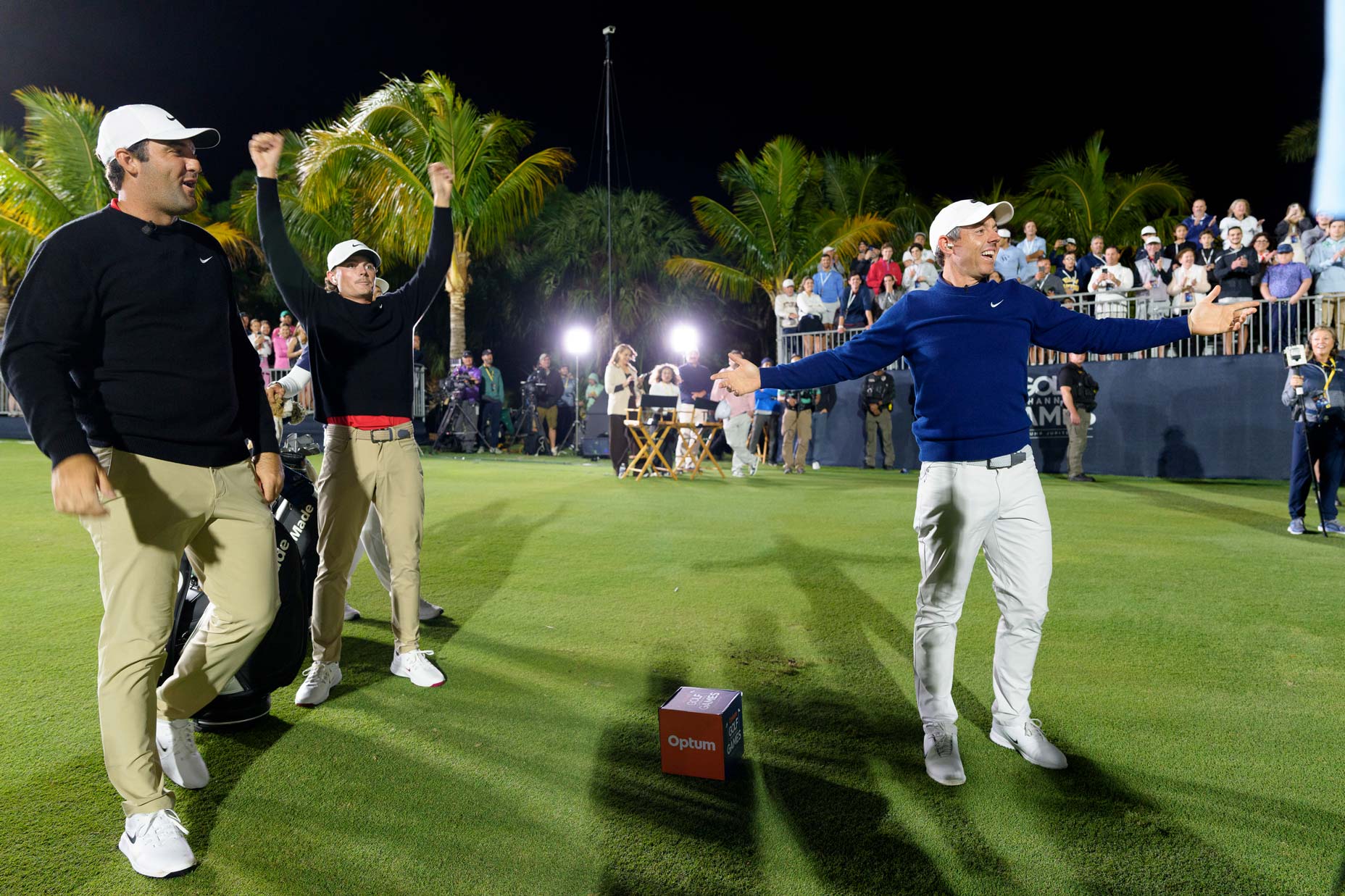
What’s old is new again at golf’s only 24-hour network. There’s new ownership, though it’ll feel familiar; Versant Media Group went public on Monday after spinning off most of NBCUniversal’s cable channels. There’s new programming, though some of it will feel familiar, too; the Big Break reboot aims to please multiple generations of fans, while a new slate of weekly talk-show style offerings aim to get Golf Channel back in consistent live conversation around the sport. But there are signs of boundary-pushing, too: the recent debut of the Optum Golf Channel Games felt genuinely different and received strong reviews from a typically tough-to-please golf audience.
The big question, then: what does this new structure mean, and just how new will the new Golf Channel feel? And just how new do viewers want it to feel? This is golf, after all, where change typically arrives at a glacial pace. But the sport’s current tectonics have been shifting faster; a decade ago we didn’t have LIV Golf. We didn’t have TGL. We didn’t have The Match. We didn’t have Good Good nor the Internet Invitational. And we didn’t have the Golf Channel Games.
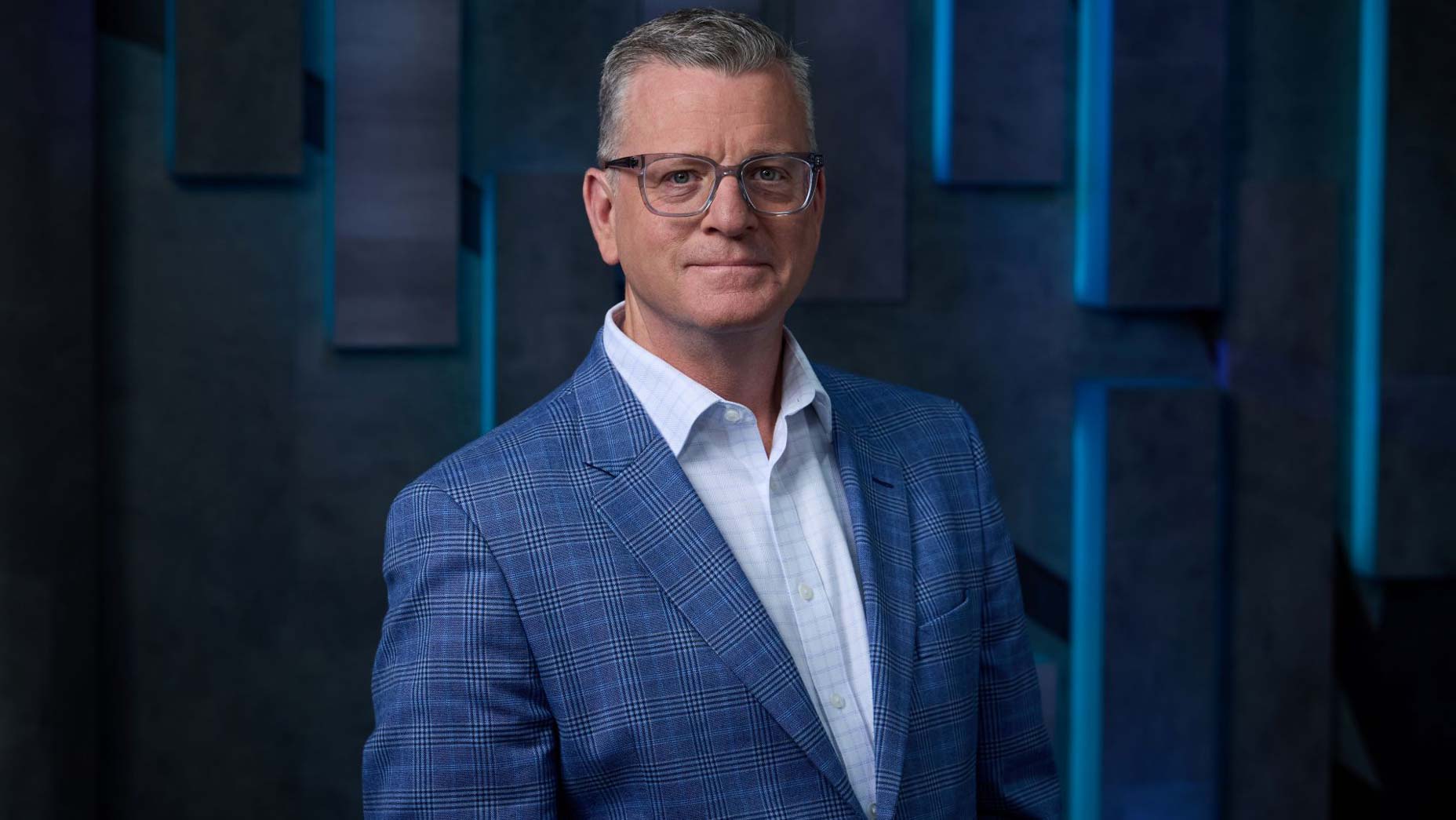
Just after those Games and just before the holiday break I caught up with the man whose hand is on the wheel, Tom Knapp, the EVP and GM of Golf Channel. Knapp laid out an optimistic vision for his network’s new home: As a sport, golf is in a great place and its only 24-7 network should be able to ride that wave — particularly given golf is a cornerstone of Versant’s plans. They’ll be more nimble with decision-making, there will be constant pressure to try new things and increased scrutiny will lead to a better product.
So how different will things feel? How does Knapp work with new leadership at the PGA and LPGA Tours? What’s it like to have Rory McIlroy as a business partner? And what’s up with YouTube Golf?
There will be more questions to come. But here’s where Golf Channel’s starting the new year:
Dylan Dethier, GOLF: From my living room, Golf Channel Games seemed like a success — and also sort of emblematic of some of the stuff you guys are going to try moving forward. I’m curious how it looked from your seat.
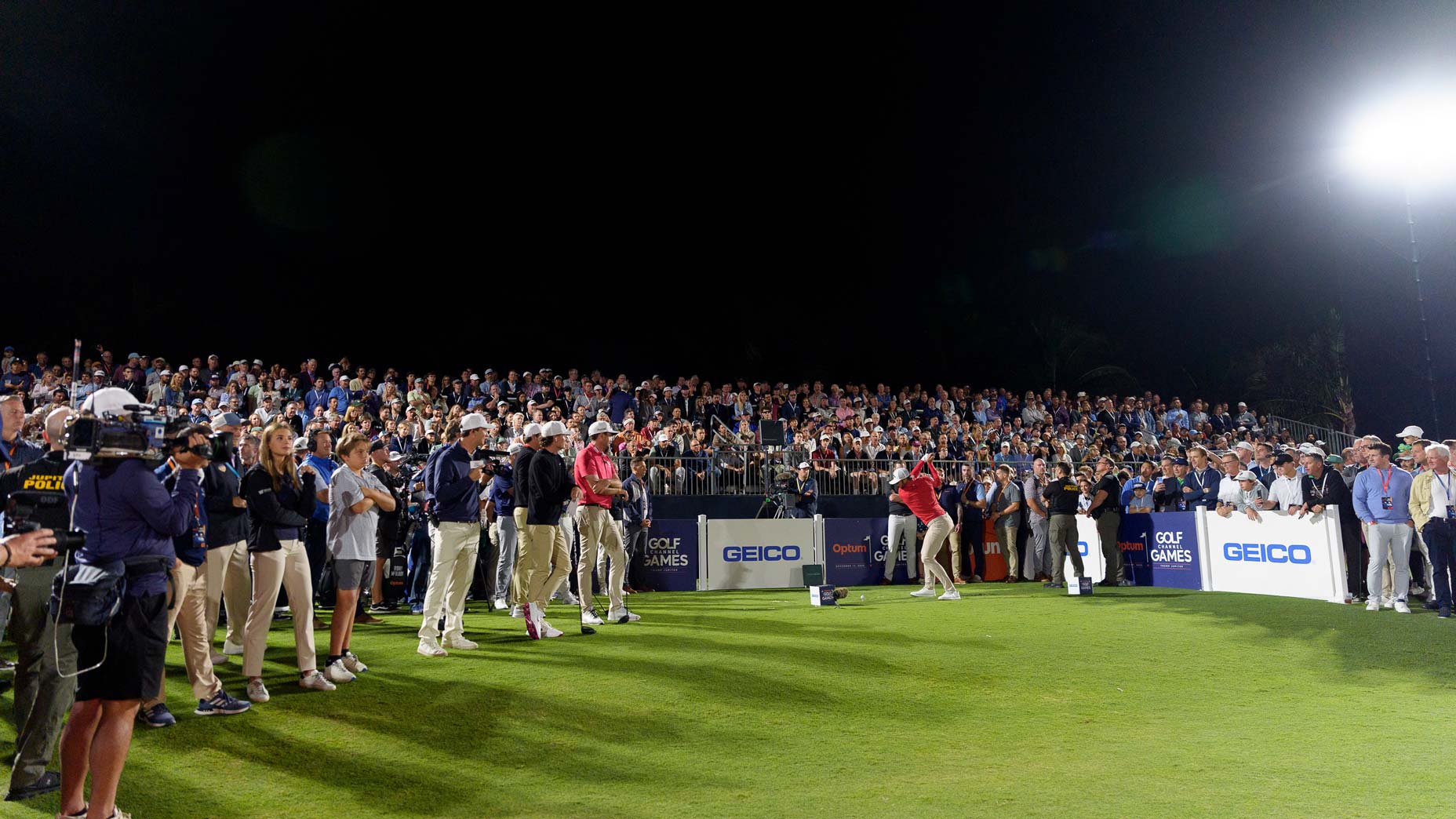
Tom Knapp, EVP and GM of Golf Channel: We were extremely pleased. We haven’t been involved much in golf’s made-for-TV landscape. Being the Golf Channel, I think some people found that odd. But we wanted to create a competition that we knew would resonate with our core viewer, but also appealed to today’s new viewer, the YouTube golf fan.
It’s really hard to land on a concept that works for both; the core golfer has certain demands for competition, and then there’s the fast-paced energy constituent that is the YouTube golfer. What could work for both? Finding a competition that enabled us to showcase the best players in the world under stress in a way that they don’t normally compete day-to-day — that was the goal. And then keeping them together was another guiding principle. We were able to keep all eight guys around one another all the time. We didn’t have to create discussion because they’re competing. You can just hear their competition out loud.
DD: That’s interesting — you were relying on their competitive instincts to carry the show. Sounds like you made the decision to lean into it as a competition first rather than a TV show first, if that makes sense.
TK: Yes. And — how do I articulate this right? — consequence is a word that I use a lot with our team. We are putting on something that has consequences, wins and losses. It is an exhibition, but we tried to create it such that quite literally every shot had consequence and meaning. And it did. These guys compete on television every week of the year, but they knew they were live and they knew that they had a team that was depending on them. They wanted to win. And then as a viewer when you’re seeing that running clock, you tend to lean forward. You tend to go, oh, he’s gotta hurry. That was important for us: how do we equally create stress for the viewer and the players?
DD: So how does this event fit into the bigger picture of what Golf Channel is up to? Is this more one-off or sign of things to come?
TK: Definitely not a one-off. We intend to continue with the Golf Channel Games, for sure. I think what it shows you is how deeply golf is in the DNA of our new company, Versant and USA Sports. Obviously, golf is very important to NBC Sports as well. But it’s at a different level at Golf Channel, and at Versant.
DD: Logistically, what does this new structure — being part of USA Sports under the Versant umbrella — mean for Golf Channel?
TK: We can touch beyond the core audience when we do things like Golf Channel Games on Golf Channel and USA Network. The way we think about it is, USA Network has the audience profile of a broadcast network on cable. It’s more diverse, it’s more female, it has a composition that’s different from Golf Channel. So airing on USA enables us to cast a wider net and show what we’re doing to a different audience. Versant will allow to cast out to a wider audience and USA allows us to get that network-style appeal.
[Editor’s note: Versant says the Games drew an average of 300,000 viewers live, an additional 300,000 cumulative average viewers across a half-dozen re-airs and had a total reach of 2.7 million unique viewers.]
DD: How much of a difference do you expect viewers will notice in the Golf Channel this coming year under Versant compared to, say, the last few years under NBC?
TK: Foundationally — with the PGA Tour, the LPGA Tour, with golf’s governing bodies, with the major championships on Live From — none of that changes. Around that, however, you’ll see something different.
Take what Gary Williams has done in the mornings [with his show 5 Clubs]. That’s something that was important to us: To become live again in the morning. You’ve probably seen that we’ve also added four additional talk-style shows in the morning. We want to dedicate ourselves back to — and you’ve probably heard me say this before — the business and lifestyle of golf.
Two is alternative forms of competition, like you’ve just seen with the Optum Golf Channel Games.
And then three, we’re bringing back the Big Break next year. That’s another thing that we probably wouldn’t have done in the recent past. It went away when our focus became more about live competition, but now we want to touch a broader cross-section of golf fan. Let’s continue to widen the net and focus on the golf lifestyle. You’ll see a lot more of that.
DD: Where are you guys on streaming? If people are watching the new Golf Channel and they’re not watching it on cable, where are they watching it?
TK: They’re going to be watching it on golfchannel.com, where you can stream the product, which we just re-launched, by the way, and it looks great — I’m really excited about that. But we have a new app that’s going to be coming out in February that’ll be a destination for everybody. So our primary streaming moving forward will be on the Golf Channel mobile app and on golfchannel.com, both new digital products that’ll be great for everybody.
DD: The latest in your partnership with Good Good Golf is bringing back the Big Break. Was there a specific moment that you realized that YouTube Golf is massive — and here to stay?
TK: I’m able to benefit from a focus group of one, my son, who’s 31 years old right now. We have a lot of conversations about golf, and a few years ago he started paying attention wildly to Good Good Golf and YouTube competitions, and I started paying attention to what made him tick, what he thought was interesting. That led us to a relationship with Matt Kendrick, CEO of Good Good. One of our leaders in franchise development built up that relationship. And what was important to us at that time was: How do we find golf entertainers on YouTube who don’t have an agenda? People who like to play golf, who like to have fun with golf, who like to broaden golf’s exposure and are agnostic relative to positions about whatever the issue of the day is in the sport of golf?
There’s a lot of content creators out there who might have an agenda and they might be pushing a narrative. I said to our team, we need to find the right partner who’s agenda-agnostic and loves this game as much as we do — and that was Good Good.
DD: There’s another big partner of yours who featured in the Golf Channel Games. He also tends to end up in the news from time to time: Rory McIlroy. What does he mean to you guys, and how big a part of your plans is he going forward?
TK: Rory means everything to us. He’s an awesome partner. We just announced a production company with Rory, Firethorn Productions, and our relationship with him only grows deeper every year. In terms of the Games, he bought in very early, he was part of the planning process. He’s very, very open-minded to being different and innovative. But Rory’s also a traditionalist. And so there are always guiding principles with Rory that are important. So we know him very well. We talk to him all the time. And he’s yeah, he’s part of the team, literally.
DD: What gives him broad appeal? What makes Rory stand out?
TK: His authenticity. I mean, first and foremost he’s a global superstar. He’s an iconic Hall-of-Fame golfer. He’s a Grand-Slam winner. But he’s also the guy that you could go have a cup of coffee with, or a pint in the pub. And Rory does a lot of media, but what you see is what you get. He’s in it for the same reasons we’re in it. He loves golf so much, right? And he just wants golf to be great as a sport and as an ecosystem and as a business. And he’ll do anything to help push it forward, to make the sport strong. And it’s real. He’s not making it up.
DD: There’s so much change and churn in the world of golf right now. The TV side, but also institutional leadership. New LPGA commissioner, new PGA Tour CEO. What does that mean from your end in terms of scheduling, opportunities, changes?
TK: We connect with them and we make it clear that we really want to understand: What’s important to you? How we can help you achieve your goals? There’s nobody closer to the business and lifestyle of golf than the Golf Channel, and we can help our league partners achieve the new goals they have.
You’ve seen most of most of the goals that each Brian [Rolapp] and Craig [Kessler] have; they’ve made it very public what they’re trying to achieve. We talk to them all time. We’re updated frequently on what they’re trying to accomplish. We stay very close with them. And it’s been exciting to have new leadership, and leadership that has the same goals that we do. They want golf to be great.
And by the way, I think golf is in a very healthy place. There’s been a lot of discussion in the last few years about what’s broken, what needs to be fixed. And of course there are things that can always get better. But golf is in a very good place, especially with what Brian and Craig are trying to do to their competitive products. Anybody that doesn’t always try to improve is going to get passed, and neither of them will let that happen.
DD: How does it work when the leagues are thinking about their product and talking to you — do they come to you and ask, ‘Hey what do you guys think we should do? What do you want from a network perspective?’
TK: Well, each of the media partners of the PGA Tour met with the Future Competition Committee, we each had our own conversations about a month ago and it was transparent, it was open, it was as collaborative as I could have imagined it. They wanted to hear from us about our business and they wanted to know how the changes that they’re contemplating could impact our business and what was important to us. And we asked the same questions about their plans. It was a really great process.
And then we did the same thing with Craig. You’ve seen some of the things that we’re doing together with the LPGA; Craig and his partner at FM had some desires to upgrade some of the television facilities and add more tech to our telecast and we all worked together to make that happen. We’re constantly working with Craig to improve the LPGA schedule and airtimes. They were already quite good, but if we don’t work to improve, we’re no better than anybody else. So yeah, I would say the degree of transparency and openness and collaboration between both of them has been fabulous and very genuine.
DD: Last thing: What gets you out of bed in the morning — and what keeps you up at night?
TK: Oh, man. What gets me out of bed and gets me excited is the new opportunity that we have at Golf Channel. The renewed focus on our business and the nimbleness with which we operate now. With fewer corporate layers we can do more things like the Optum Golf Channel Games. We can bring back the Big Break. We can make educated decisions very quickly to add fuel to the golf ecosystem we all love. That’s really exciting. Every morning I have an obligation to the whole golf staff at Versant to make sure we’re taking advantage of these new opportunities are in front of us. It can’t be business as usual. And I wouldn’t be doing my job if I was operating as business as usual. No, we have a mandate and we have an opportunity to redefine and grow the Golf Channel. And that’s what gets me out of bed every day.
And it’s going to be a similar answer, but what keeps me up at night is: Are we doing enough? Are we do enough to support what is a really important time in the golf media and business ecosystem? We are the only ones that have a very formal relationship with every single governing body in golf. Everybody. We are partnered with everybody. Are we doing enough to help them continue to make the sport great? So I guard against complacency all the time. We can never be complacent because of the obligation we have to the sport and the business.
The post What’s changing at Golf Channel? We asked the man in charge appeared first on Golf.