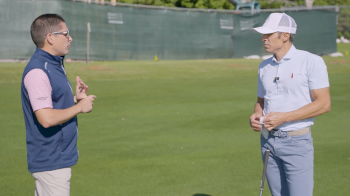
After a complete brand overhaul, Mizuno is releasing its first driver and metalwoods line in two years, something that might bring their long clubs out from behind the shadow of their irons. And there’s a really cool story of how they got there.
The company is announcing its JPX One line of woods, including the JPX One and JPX One Select drivers, which sport an industry-first Nanoalloy face.
“This didn’t feel like an evolution of anything we’d done before,” Mizuno Director of Golf Chris Voshall told GOLF. “It felt like the start of something completely new. The technology was so different in how it behaved at impact that it didn’t make sense to keep calling it ST. That’s why we went back to JPX and called it ONE, this is the beginning of something bigger.”
Keep reading below for more on the Mizuno JPX One woods lineup, including my take on the release.
Mizuno has been teasing the Nanoalloy story ever since they opened their new fitting and R&D facility in Georgia, the Foundry, last year, with a timeline claiming 2026 is when they’d introduce the “world’s first ‘blank’ driver.”
While the blue face might draw comparisons to carbon fiber, Nanoalloy is actually a material from the nylon family that is used in Mizuno’s baseball and softball bats. It’s also been used in graphite wood shafts.
It turns out the material has a very unique property, allowing it be very firm at rest and then very flexible when put under tension. That means it can have more spring effect when it’s impacting a golf ball, producing more ball speed and a larger area where you can get those ball speeds from.
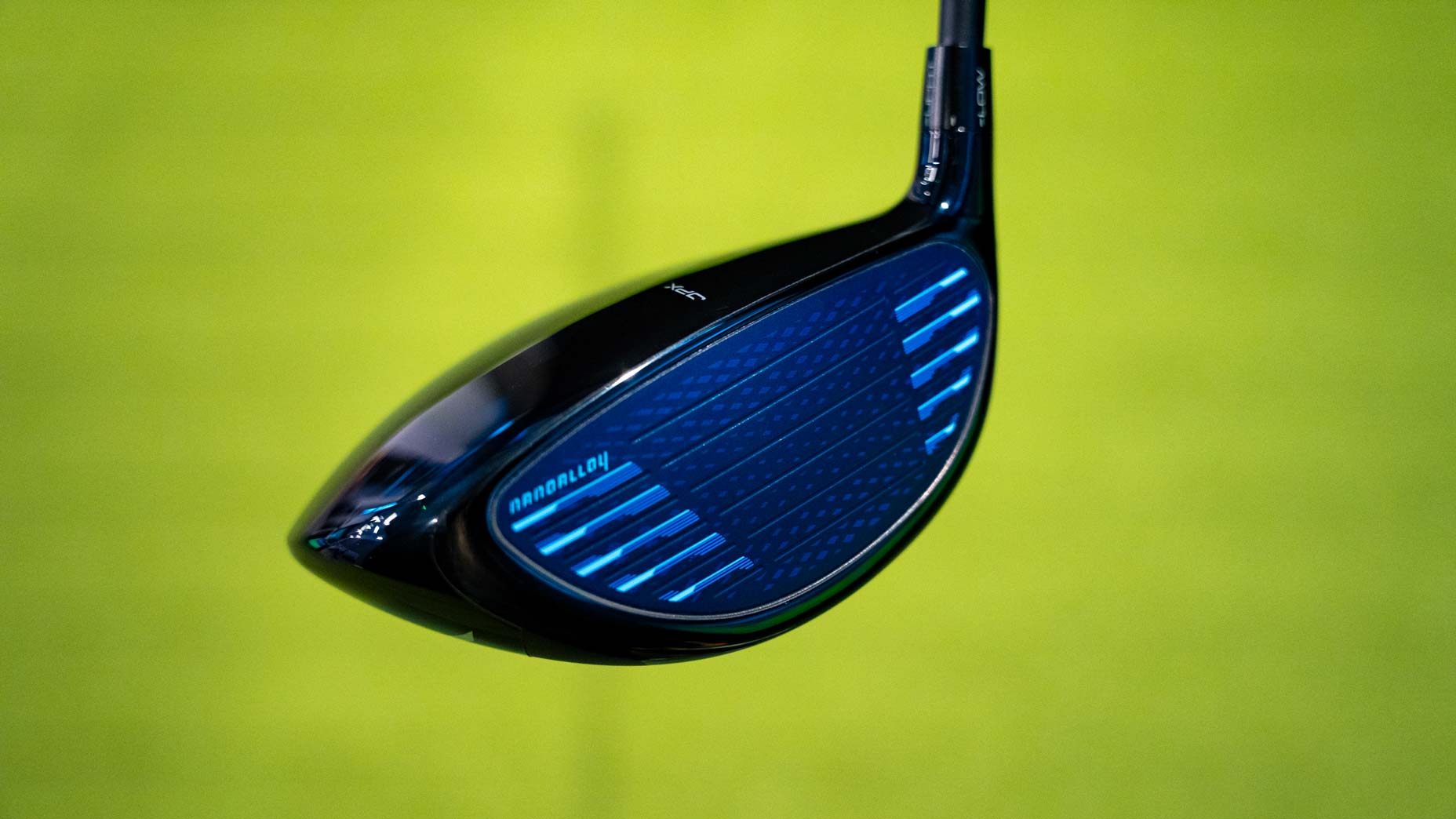
“It gives you the ability to put it on the face of a driver to conform to all the testing, check all the boxes that it needs to,” Voshall said. “But then when you impact it, it changes the dynamic of what happens at impact and how the ball and face interact.”
Remember the “goop” you used to play with in science class, made from cornstarch and water? It was a liquid until you would smack it and then it would firm up. This is the exact opposite.
The JPX One driver face isn’t completely made of the Nanoalloy. The face is made from ultra-thin forged titanium and then the Nanoalloy face is placed on top. Because of the combination, the Titanium face is 10 percent thinner than on previous Mizuno drivers. That meant there was no longer a need for the Cortech Chamber along the leading edge to boost face flex.
The ST230 line of woods was super successful for Mizuno, but with the new Nanoalloy technology being so different, Mizuno decided it was time for a change to something different.
With that, Mizuno left the ST230 family of drivers on the retail shelves for an extra year and dropped the prices down to $299. They sold six times as many drivers in the final year of the product cycle as they did in the first. This was all done to give fitters a reason to pull Mizuno heads out of the drawer and players a reason to buy them.
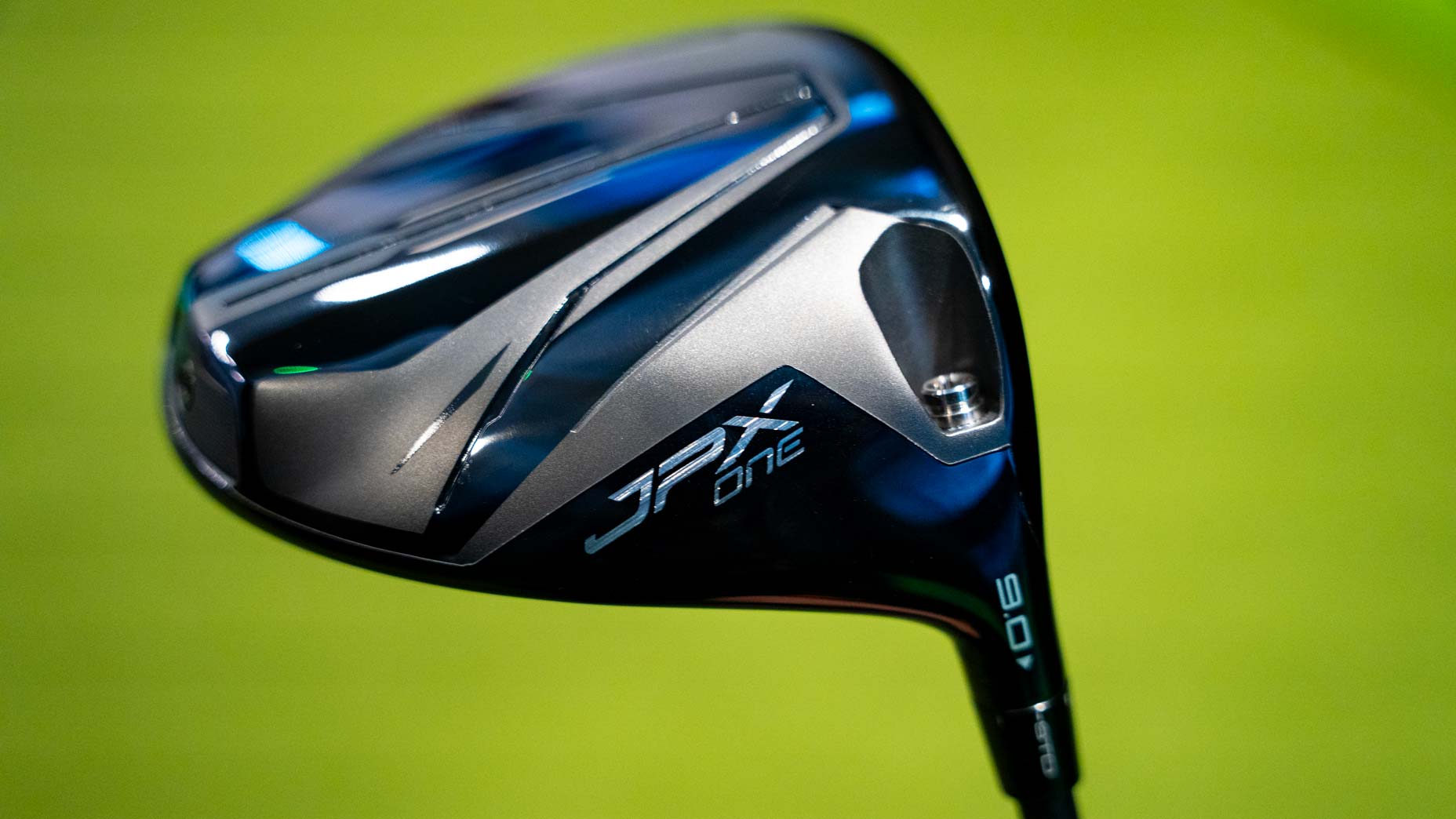
Then, with the branding, Mizuno ended up building off the success of their JPX irons line, which Voshall called their more “technology” focused brand. The “One” signifies the brand’s reset.
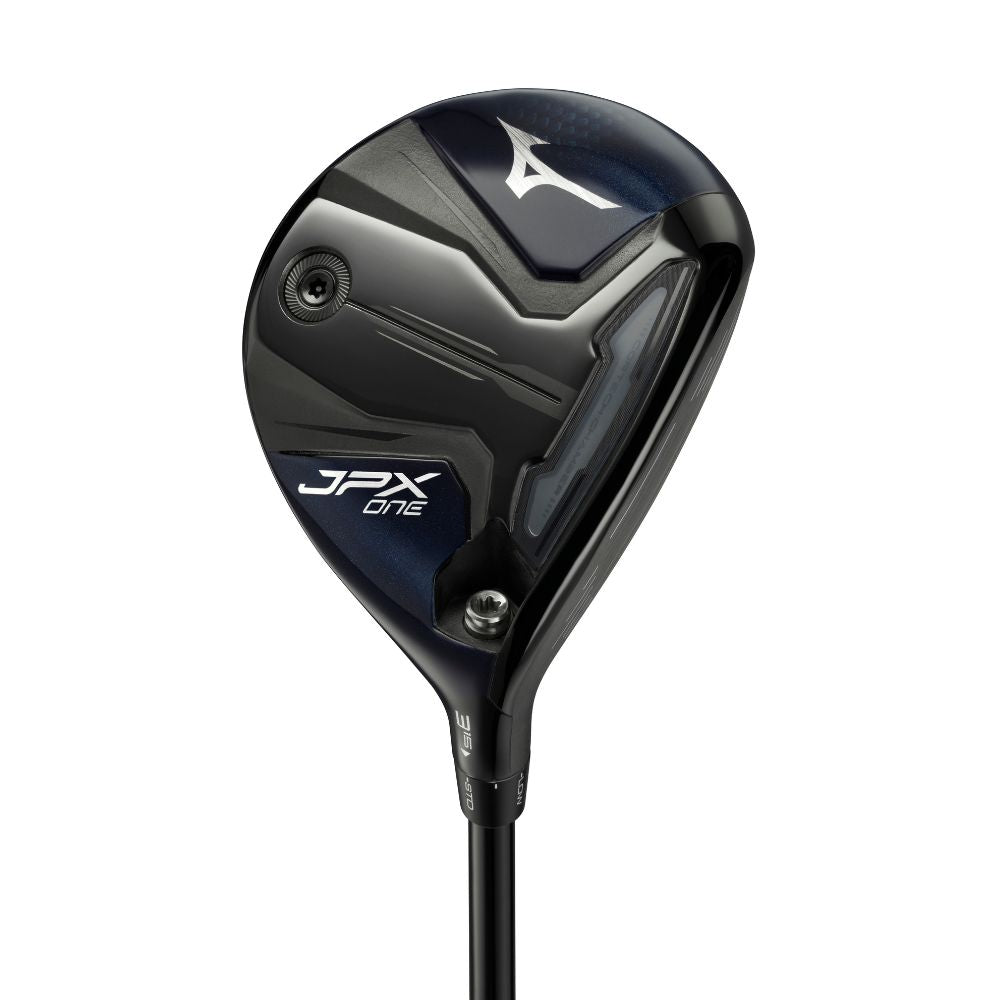
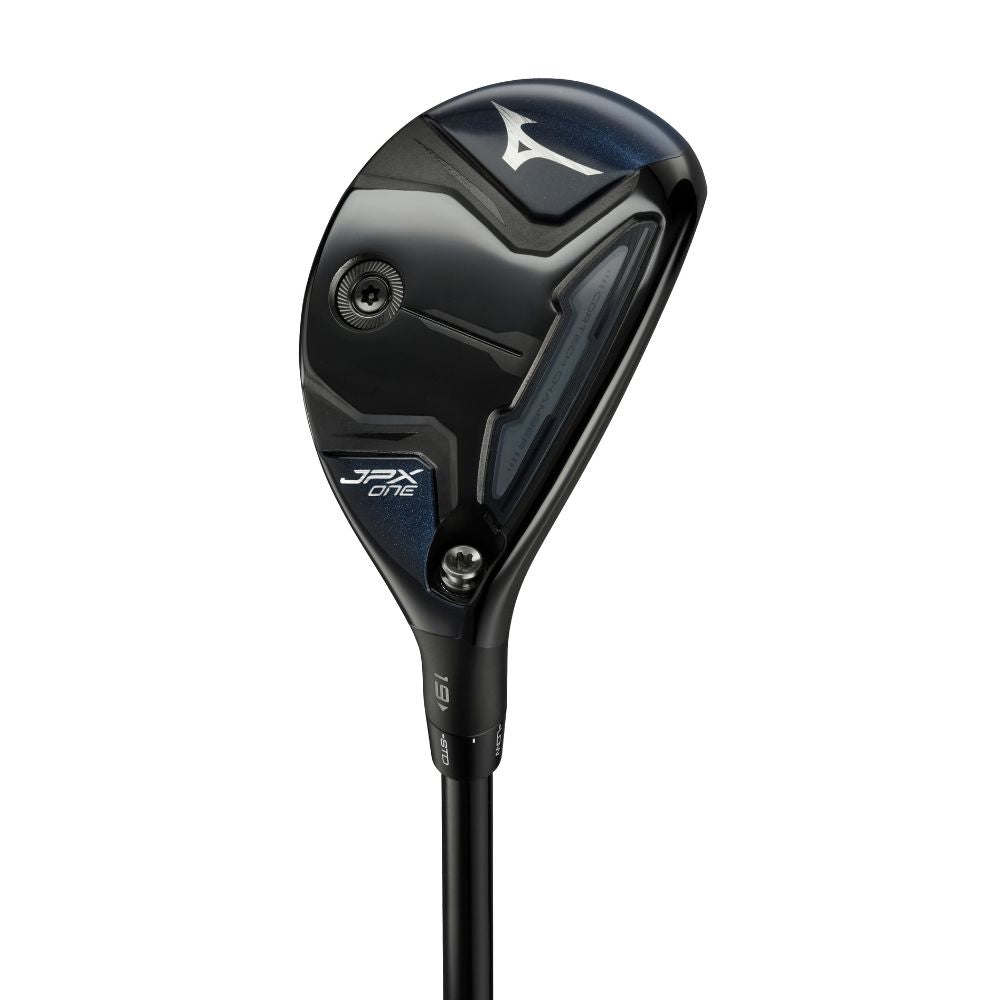
Because of the smaller face sizes, the Nanoalloy wasn’t beneficial to the fairway wood or hybrids, but they do have a reeingeered Cortech Chamber.
Instead of the weight within the chamber being rectangular, Mizuno made it narrower in the middle and wider toward the heel and toe. That helps not only shots hit lower on the face, but also gives heel and toe strikes a boost.
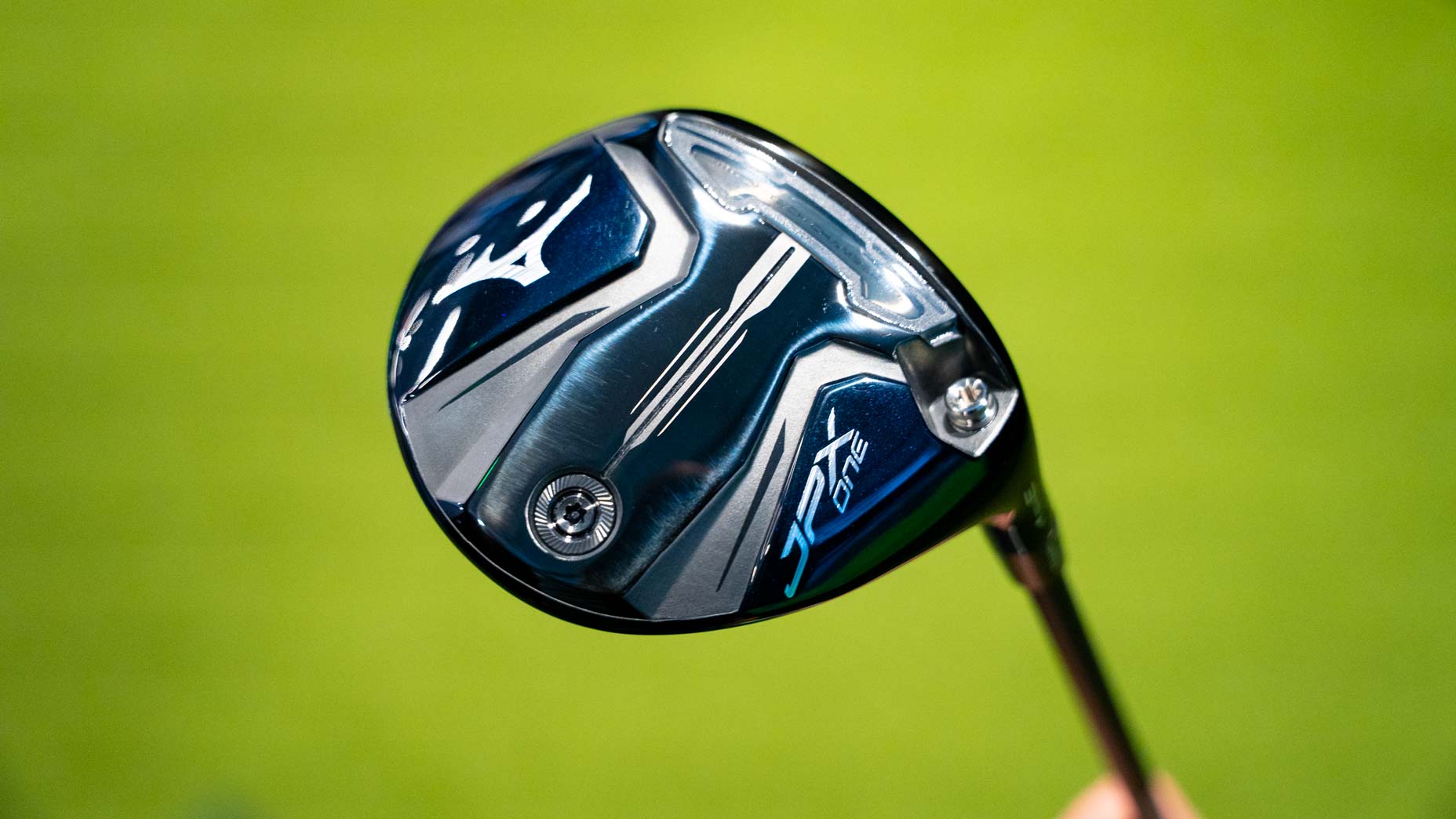
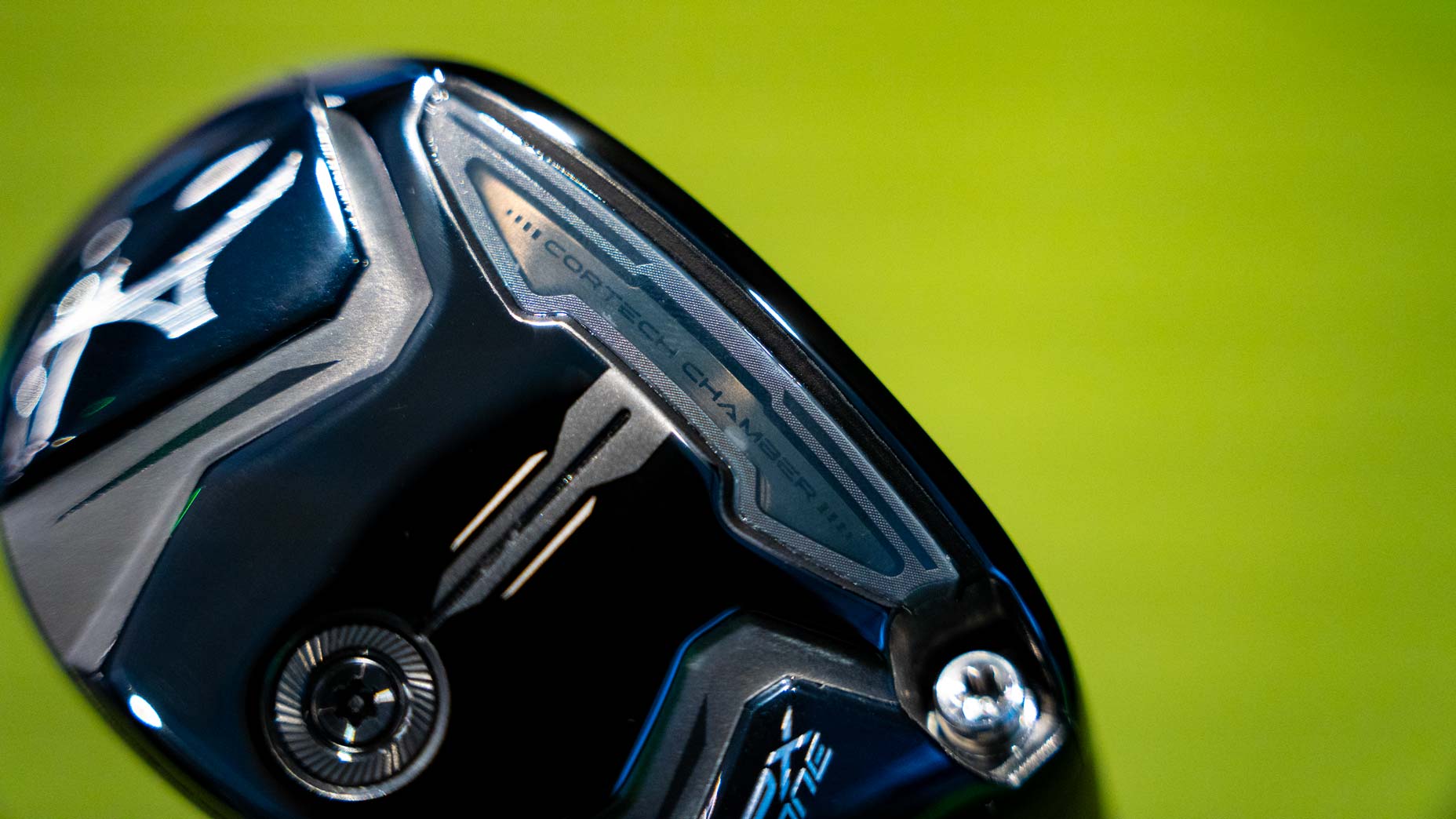
The sole of both clubs was also reshaped into a new Speed Bevel sole, which lets the clubs enter and exit the turf a little easier.
There may be only two driver models — plus a single fairway and hybrid — but Voshall says Mizuno isn’t leaving golfers out. The Nanoalloy face frees up mass that’s pushed elsewhere in the head, dialing up forgiveness in both the standard and Select heads.
“This isn’t about making one extreme model and one forgiving model anymore,” Voshall said. “We wanted two heads that could fit almost anyone, but still feel and perform like a Mizuno.”
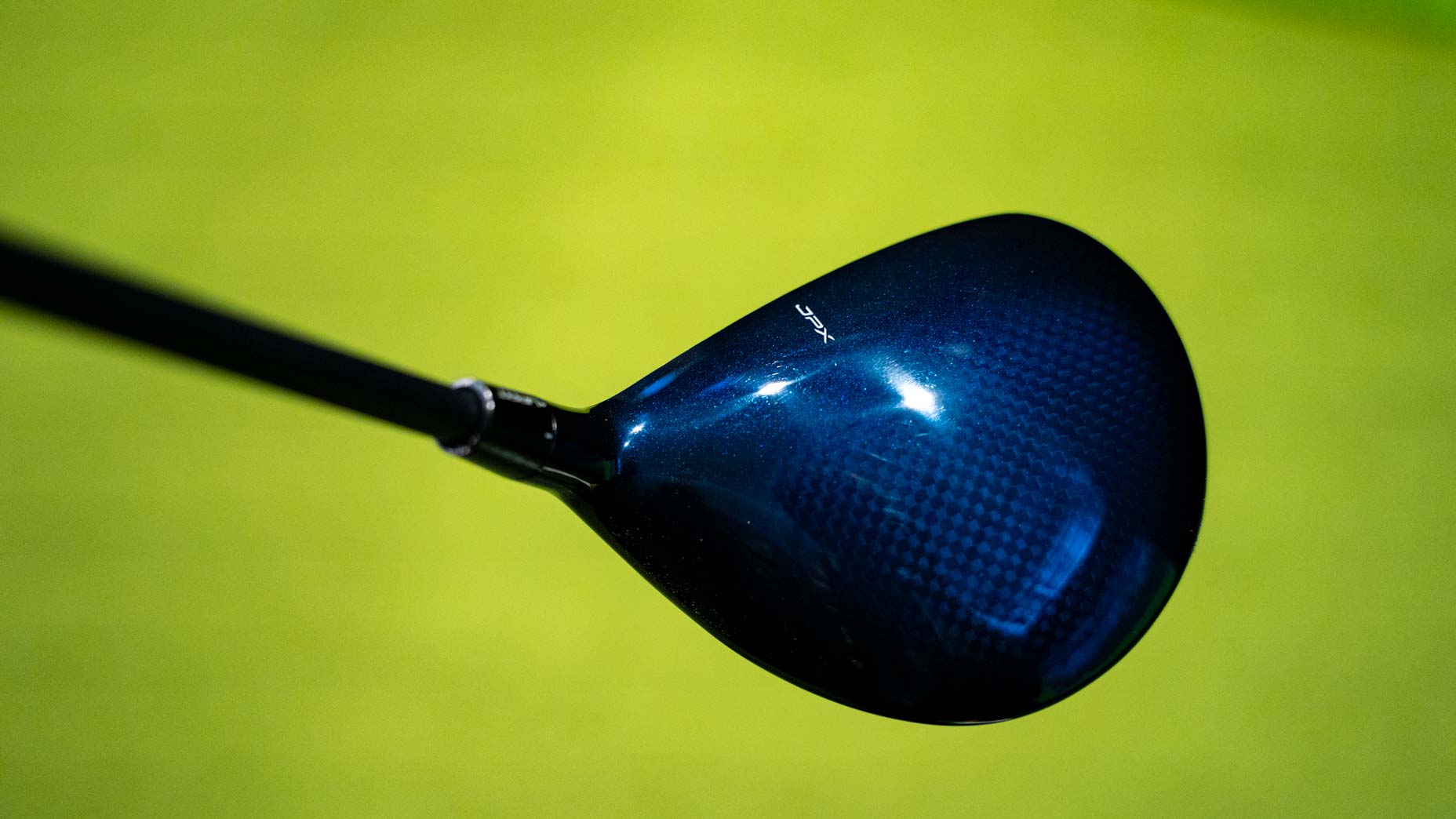
In addition to the blue face on the driver, the longtime brand color of Mizuno, the carbon composite crowns of the driver, fairway and hybrid sport a more subtle blue hue when seen in sunlight. Both drivers also feature an adjustable backweight for swingweighting.
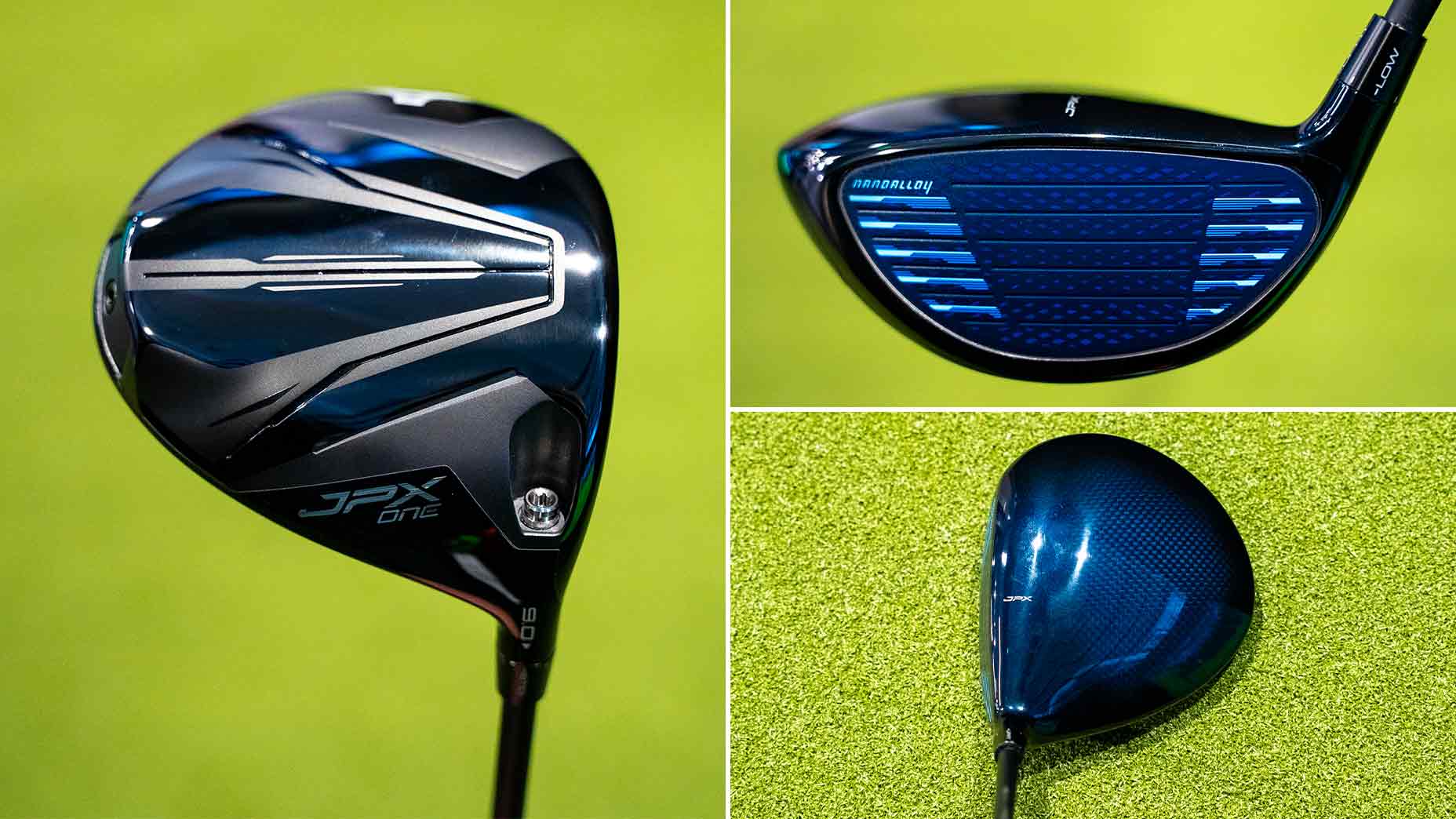
What is it: The standard JPX One model driver is the higher MOI, longer front-to-back and heel-to-toe model. It features an adjustable backweight and a more straight bias with an upright lie angle than the JPX One Select.
Who it’s for: Of the two models, the JPX One is going to fit the majority of golfers, but could also contend for better players thanks to its stability and fast ball speeds.
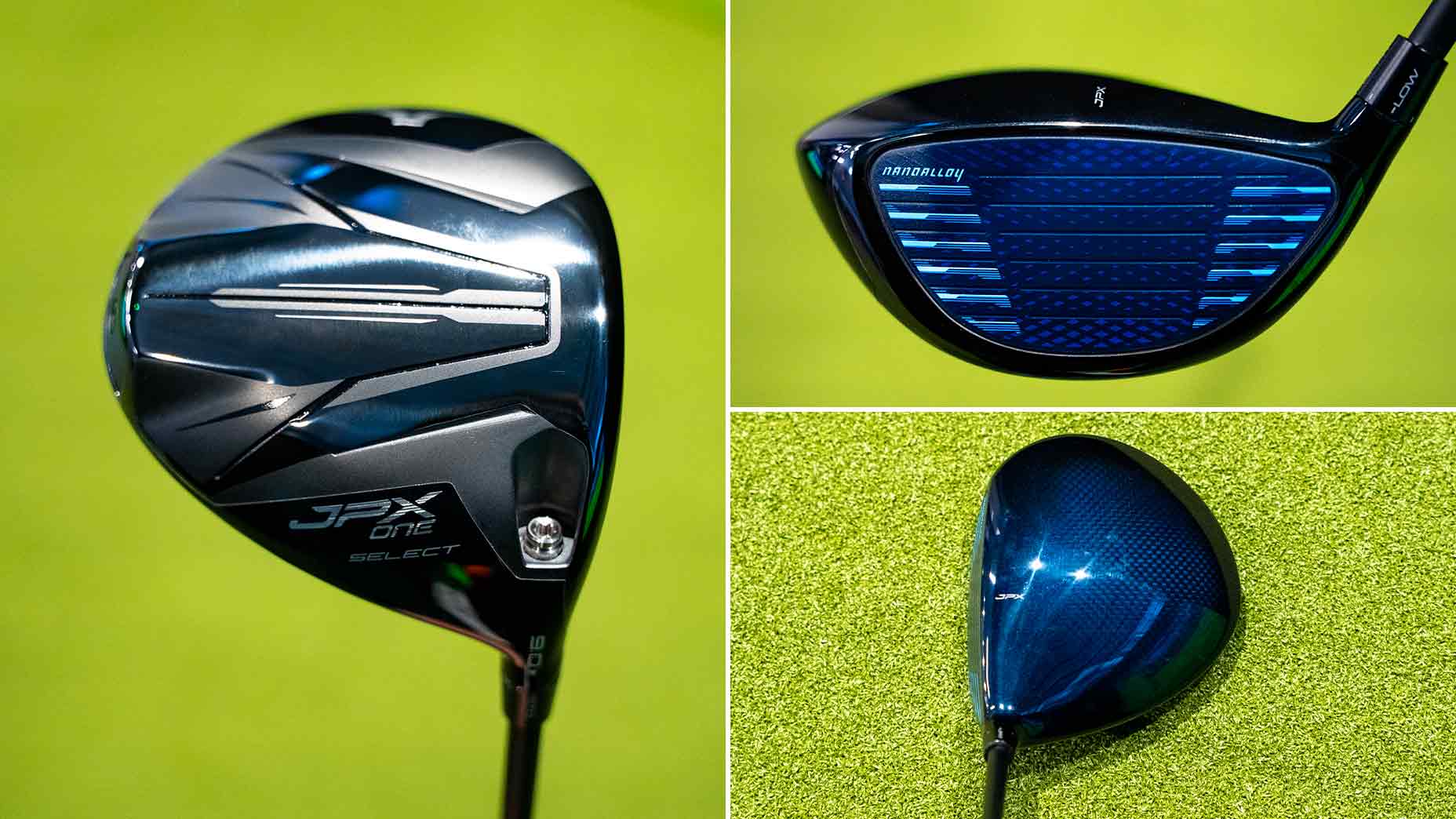
What is it: A slightly more pear-shaped and compact profile, the JPX One Select is going to target the better player who wants to retain workability and get maximum speed. While still being a 460 cc, the Select has a deeper face than the standard. It also has a flatter lie angle and more face progression to produce a fade bias.
Who it’s for: The Select is for the player seeking to cut spin and fight a left miss off the tee.
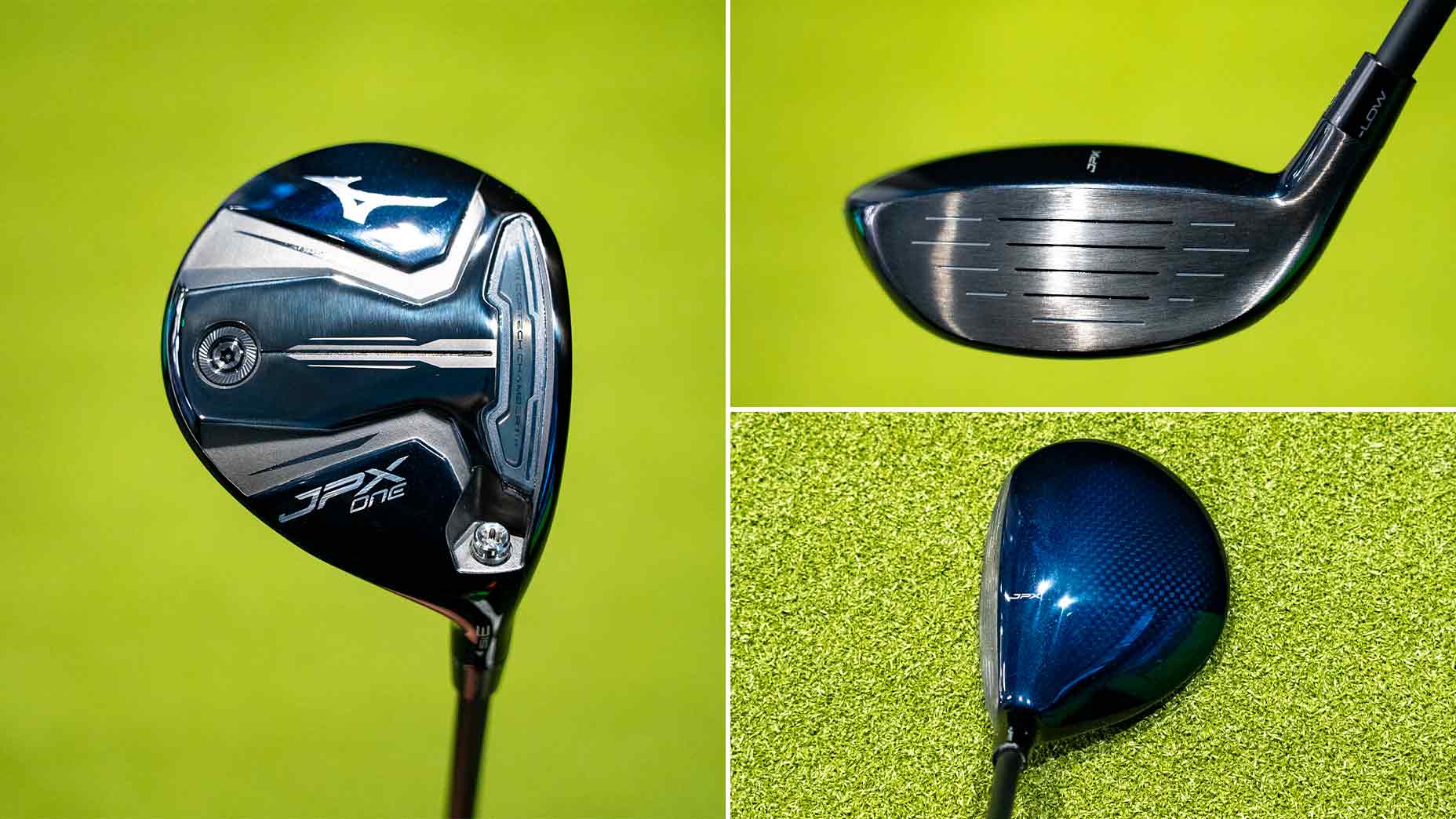
What is it: The JPX One fairway woods have the new Speed Bevel sole and reengineered Coretech Chamber to help low strikes. An MAS1C steel face ensures high ball speeds. There is also a 3T model that is more compact and one degree flatter than the standard 3-wood.
Who it’s for: The JPX One serves as a nice middle of the road for face height, leaving it a nice option for players who use it both off the deck and the tee.
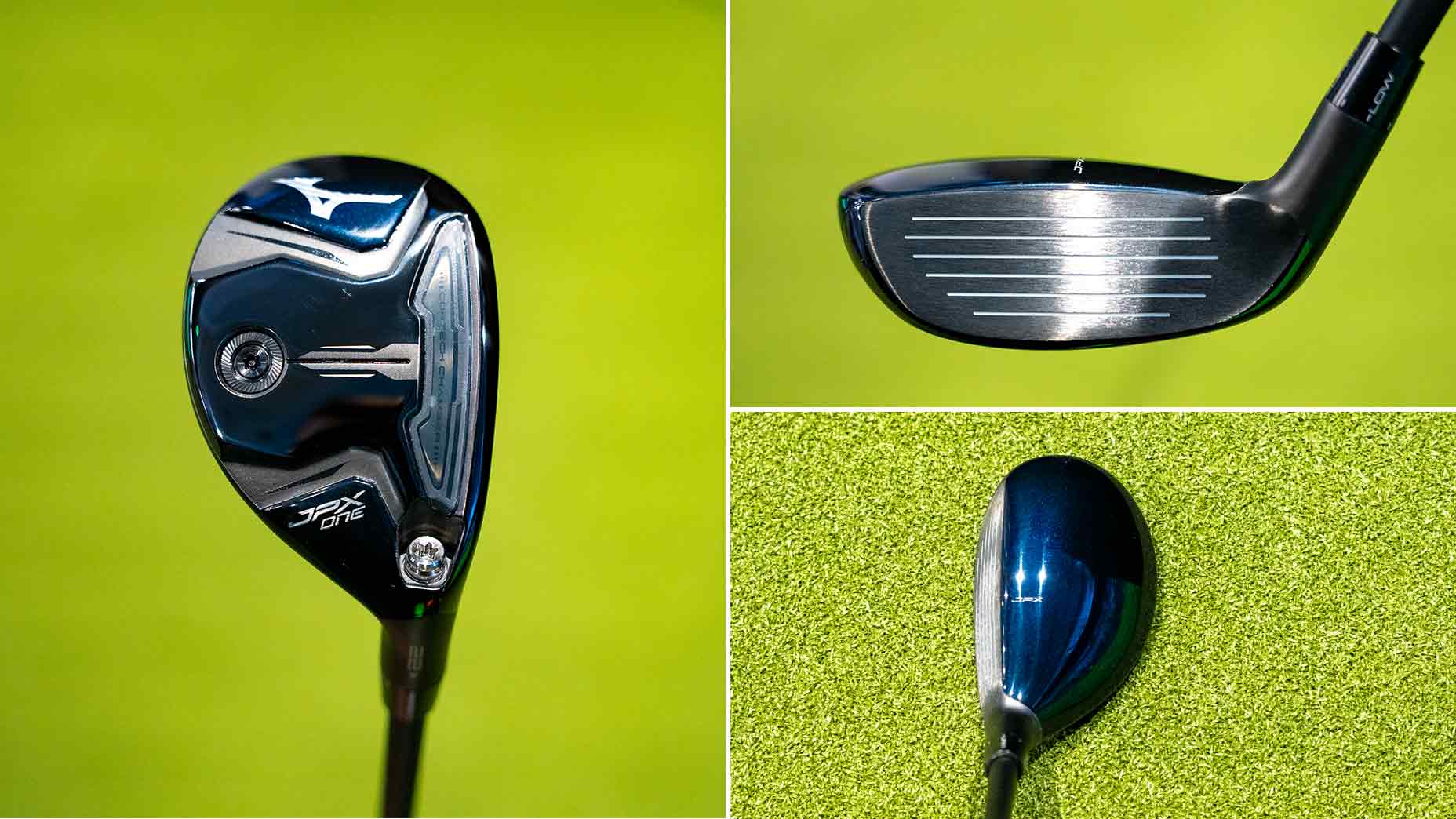
What is it: The hybrid also features the need Speed Bevel sole and reshaped Coretech chamber while taking a nice compact shape.
Who is for: A great option for someone who wants a more compact, iron-like hybrid that is on more neutral side for bias.
Mizuno has quietly rebranded its whole lineup by splitting the Mizuno Pro lines, bringing wedges and golf balls under that name and now moving woods back again to the JPX brand. The JPX brand, of course, gained a ton of visibility with the Tour model irons being used by Brooks Koepka to win four majors in the last decade.
If this is the move that finally gets Mizuno woods the praise they deserve, then here’s to it.
I really enjoyed the ST-Z 230 driver, a great performer that has been in the bag of Keith Mitchell, who’s among the best drivers on the PGA Tour.
And that’s not to say that my short time testing the JPX One Select driver didn’t yield even better results.
Both drivers have a great look at the address and if the numbers were good, I’d have no problem gaming either. For me, the Select sits a hair more open to my liking and really explodes off the face.
I love the story of the new Nanoalloy face and the fact that it’s truly different from what else is out there in terms of multimaterial faces.
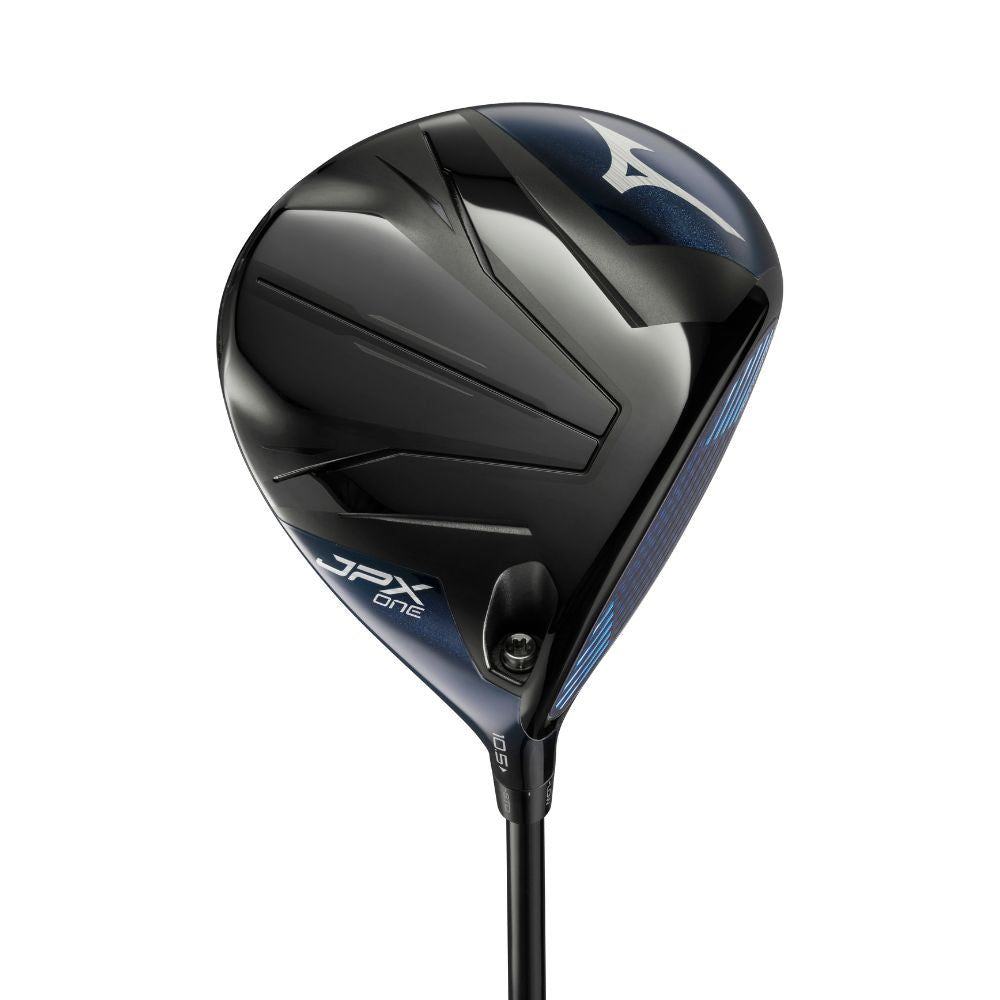
 face technology. Developed in collaboration with materials specialists Toray, NANOALLOY utilizes microscopic polymer dispersion to produce a face that dynamically alters its elasticity under impact. The result is a material that stores and releases more energy at impact than traditional titanium or composite constructions, delivering unprecedented ball speeds across a wider area of the face.
This breakthrough pairs with a newly engineered CORTECH Face, up to 0.35mm thinner than previous generations, expanding the CORAREA (high-speed rebound zone) by over 15%. In robotic testing, JPX ONE outperformed leading competitors for both ball speed and carry, producing faster, longer, and more consistent results from every impact location.
Two models, JPX ONE and JPX ONE SELECT, offer distinct performance profiles. JPX ONE features a slightly larger footprint for higher stability and straighter ball flight, while JPX ONE SELECT delivers a more compact, tour-preferred shape with a neutral-to-fade bias.
face technology. Developed in collaboration with materials specialists Toray, NANOALLOY utilizes microscopic polymer dispersion to produce a face that dynamically alters its elasticity under impact. The result is a material that stores and releases more energy at impact than traditional titanium or composite constructions, delivering unprecedented ball speeds across a wider area of the face.
This breakthrough pairs with a newly engineered CORTECH Face, up to 0.35mm thinner than previous generations, expanding the CORAREA (high-speed rebound zone) by over 15%. In robotic testing, JPX ONE outperformed leading competitors for both ball speed and carry, producing faster, longer, and more consistent results from every impact location.
Two models, JPX ONE and JPX ONE SELECT, offer distinct performance profiles. JPX ONE features a slightly larger footprint for higher stability and straighter ball flight, while JPX ONE SELECT delivers a more compact, tour-preferred shape with a neutral-to-fade bias.View Product
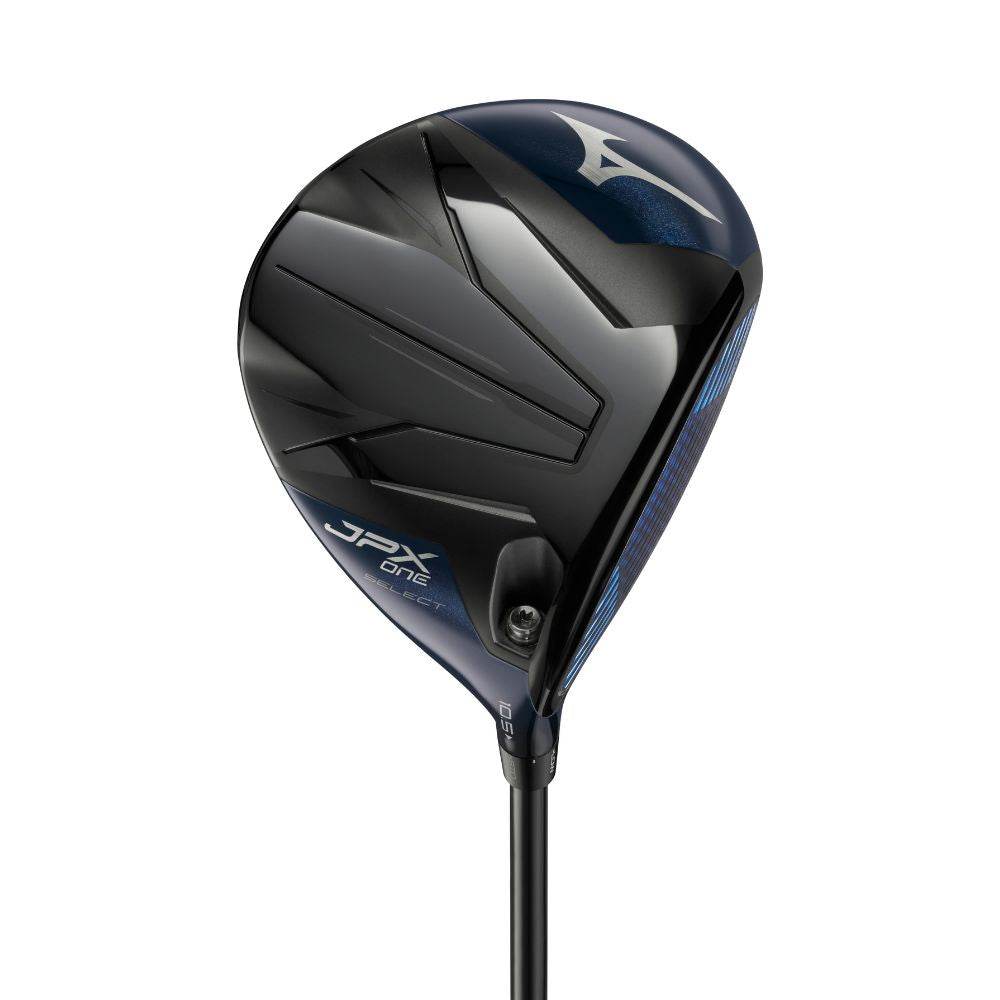 face technology. Developed in collaboration with materials specialists Toray, NANOALLOY utilizes microscopic polymer dispersion to produce a face that dynamically alters its elasticity under impact. The result is a material that stores and releases more energy at impact than traditional titanium or composite constructions, delivering unprecedented ball speeds across a wider area of the face.
This breakthrough pairs with a newly engineered CORTECH Face, up to 0.35mm thinner than previous generations, expanding the CORAREA (high-speed rebound zone) by over 15%. In robotic testing, JPX ONE outperformed leading competitors for both ball speed and carry, producing faster, longer, and more consistent results from every impact location.
Two models, JPX ONE and JPX ONE SELECT, offer distinct performance profiles. JPX ONE features a slightly larger footprint for higher stability and straighter ball flight, while JPX ONE SELECT delivers a more compact, tour-preferred shape with a neutral-to-fade bias.
face technology. Developed in collaboration with materials specialists Toray, NANOALLOY utilizes microscopic polymer dispersion to produce a face that dynamically alters its elasticity under impact. The result is a material that stores and releases more energy at impact than traditional titanium or composite constructions, delivering unprecedented ball speeds across a wider area of the face.
This breakthrough pairs with a newly engineered CORTECH Face, up to 0.35mm thinner than previous generations, expanding the CORAREA (high-speed rebound zone) by over 15%. In robotic testing, JPX ONE outperformed leading competitors for both ball speed and carry, producing faster, longer, and more consistent results from every impact location.
Two models, JPX ONE and JPX ONE SELECT, offer distinct performance profiles. JPX ONE features a slightly larger footprint for higher stability and straighter ball flight, while JPX ONE SELECT delivers a more compact, tour-preferred shape with a neutral-to-fade bias.View Product
View Product
View Product
Mizuno’s new JPX One Woods are available for pre-orders starting Jan. 12 and will arrive at retail locations on Jan. 22.
The two driver models are priced at $599, fairway woods cost $349 and hybrids are $279 each.
Available lofts of each club are below:
JPX One Driver: 9.0, 10.5, 12
JPX One Select Driver: 9.0, 10.5
JPX One Fairway Wood: 15 (3T), 15, 18, 21, 24
JPX One Hybrid: 19, 22, 25, 28
Want to find the best driver for your game in 2026? Find a club-fitting location near you at True Spec Golf.
The post Mizuno launches JPX One woods with world’s first ‘Nanoalloy’ driver face appeared first on Golf.